What Happened
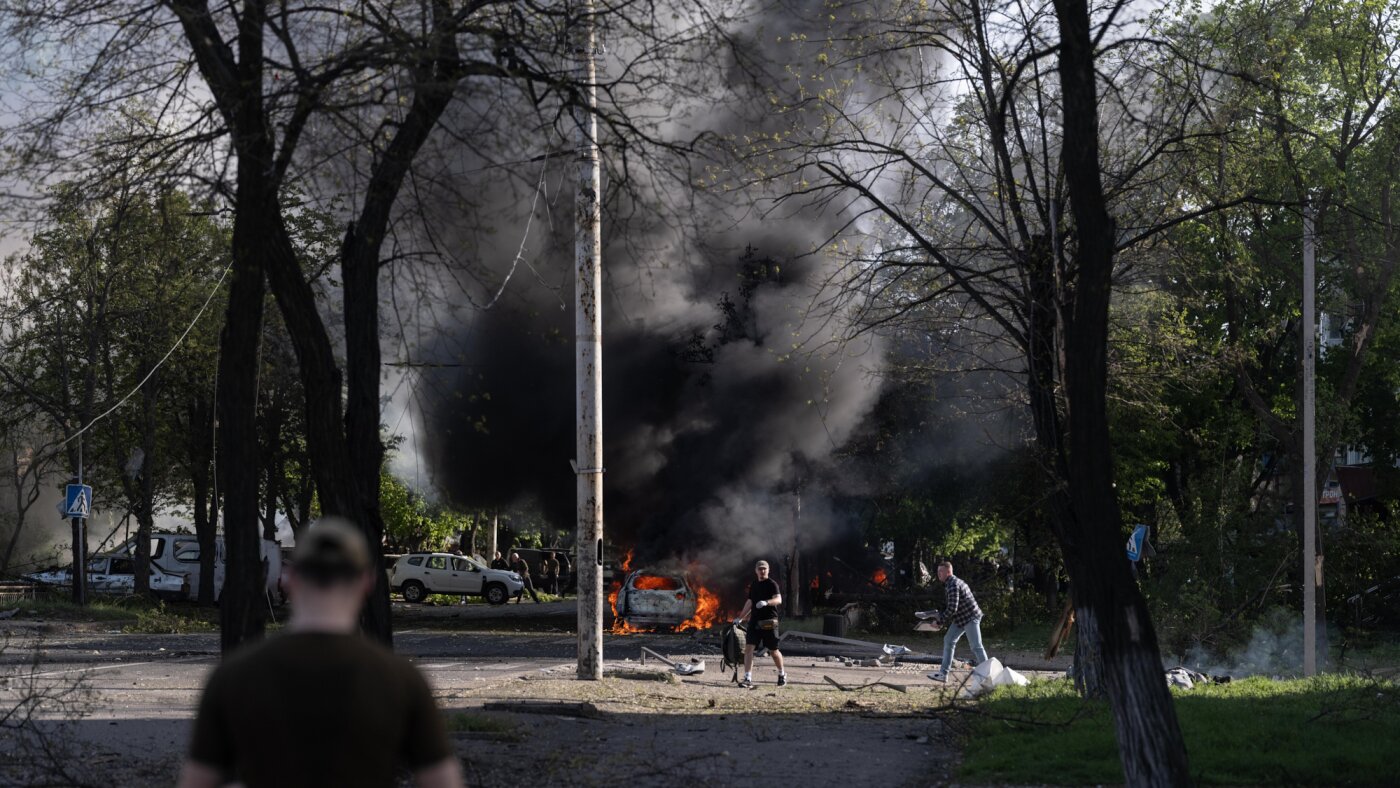
In a wave of violence, Russian forces launched drone and missile strikes across Ukraine. The attacks occurred overnight and continued into Tuesday, resulting in significant casualties. Ukrainian authorities reported at least 22 deaths and over 80 injuries. The timing of these strikes, just hours before Kyiv was expected to enact a ceasefire and days before Moscow's promised pause, has drawn sharp criticism from Ukrainian leadership.
The attacks hit several key cities across Ukraine. Kramatorsk, Zaporizhzhia, and Chernihiv were all struck by Russian glide bombs, causing widespread damage and loss of life. Officials reported that at least 17 civilians were killed and 45 others wounded in these attacks alone. The previous night, attacks resulted in five deaths and 39 injuries, according to Ukrainian authorities, exacerbating the already dire humanitarian situation in the region.
President Zelenskyy has responded to these attacks with strong condemnation. He characterized Moscow's actions as displaying "utter cynicism", especially given the announced unilateral ceasefire coinciding with the 81st anniversary of the defeat of Nazi Germany during World War II. Zelenskyy asserted that Russia could immediately end the conflict by ceasing fire and emphasized Ukraine's readiness to respond in kind to any future actions taken by Russia. He didn't provide an end date for the ceasefire in his announcement.
"Russia could cease fire at any moment, and this would stop the war and our responses," Zelenskyy said in a post on X.
Why It Matters
The timing of these attacks raises serious questions about Russia's commitment to de-escalation and peaceful resolution of the conflict. The announcement of a unilateral ceasefire followed by intensified attacks has fueled skepticism among Ukrainian officials and international observers alike. It also highlights the ongoing challenges in establishing a sustainable and reliable path towards peace, with distrust remaining a significant obstacle. The violation of proclaimed ceasefires undermines confidence in future negotiations and efforts to bring an end to the war.
The attacks have also prompted a strong response from the international community. UN Secretary-General António Guterres welcomed the announcement of unilateral ceasefires and expressed hope for their successful implementation. However, he also reiterated his call for a comprehensive and lasting ceasefire, emphasizing the need for a just and sustainable peace in line with international law and UN resolutions. The United Nations continues to play a vital role in mediating the conflict and advocating for a peaceful resolution to protect civilians and ensure regional stability.
What Comes Next
While Zelenskyy stated that Ukraine would observe a ceasefire starting Tuesday evening and respond in kind, it remains uncertain how the situation will unfold in the coming days. The effectiveness of these ceasefires depends on both sides adhering to their commitments and refraining from further acts of aggression. Russia has stated it would strike back if Ukraine tries to disrupt Victory Day festivities, adding another layer of complexity to the situation. The coming days will be crucial in determining whether these ceasefires will hold and pave the way for meaningful dialogue.
The international community will likely continue to monitor the situation closely and exert diplomatic pressure on both sides to adhere to the ceasefire agreements. Further negotiations and mediation efforts are expected to take place in an effort to build confidence and establish a more durable framework for peace. The ultimate goal remains a comprehensive resolution to the conflict that addresses the root causes of the crisis and ensures the long-term security and stability of Ukraine and the region. However, achieving this will require sustained commitment and cooperation from all parties involved.