What Happened
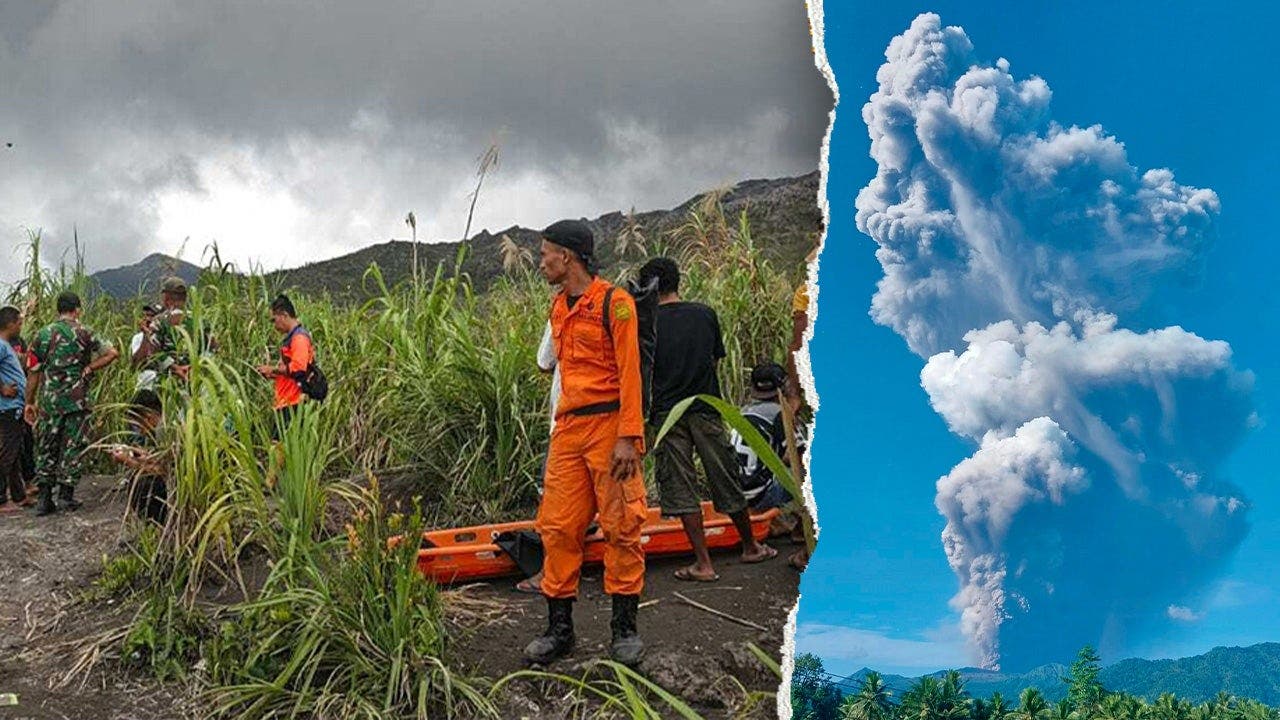
On Friday, Mount Dukono, located on a remote Indonesian island, erupted leading to the deaths of three people and injuries to five others. A group of approximately 20 climbers had ventured up the volcano on Thursday, disregarding safety restrictions. The hikers were reportedly in a restricted area when the eruption occurred, exacerbating the danger and complicating rescue efforts. The deceased include one local resident from Ternate and two Singaporean nationals. Their bodies remain on the volcano due to the hazardous conditions.
According to North Halmahera police chief Erlichson Pasaribu, the climbers knowingly violated the restrictions. Despite clear warnings disseminated through social media and posted as signs at the site, the group pressed on, motivated by the desire to generate content for online platforms. This disregard for safety protocols ultimately contributed to the tragic outcome. The eruption occurred at 7:41 a.m. local time, unleashing a substantial column of ash that soared over six miles into the atmosphere, creating a perilous situation for those on the mountain.
The eruption stranded the group, prompting an emergency signal that triggered the deployment of rescue teams. However, the continuing volcanic activity and the challenging terrain have significantly hampered rescue operations. The joint search and rescue teams are facing considerable difficulties in their attempts to recover the bodies of the victims. Details on the extent of the injuries sustained by the five other hikers are still emerging, but authorities are working to provide assistance and ensure their safe extraction from the area, if possible.
"They were aware that climbing was prohibited as the mountain is a restricted zone due to its high alert status, but insisted on going ahead,"
Why It Matters
This incident highlights the increasing problem of individuals disregarding safety regulations in pursuit of online content. Despite explicit warnings and the inherent dangers of climbing an active volcano, the climbers chose to prioritize creating social media posts, resulting in tragic consequences. This situation raises questions about the ethics of seeking internet fame at the expense of personal safety and the responsibility of online platforms to address potentially dangerous content creation.
Beyond the immediate loss of life, this event underscores the challenges faced by local authorities in managing tourism and enforcing safety regulations around natural hazards. The remoteness of the location and the volatile nature of Mount Dukono create significant obstacles for rescue efforts and long-term monitoring. The tragedy also serves as a stark reminder of the power of nature and the importance of respecting the boundaries established to protect human lives. The need for increased education and enforcement of safety protocols in areas prone to natural disasters is now more apparent than ever.
What Comes Next
Authorities are focusing on attempting to retrieve the bodies of the deceased, but the timeline remains uncertain given the continued volcanic activity. Monitoring of Mount Dukono will be intensified to provide early warnings for any future eruptions. Investigations into the circumstances surrounding the incident are underway to determine if further action is required to prevent similar tragedies. The North Halmahera police will also be reviewing safety protocols and considering stricter enforcement measures for restricted areas.
In the long term, local officials may need to reassess tourism management strategies to balance the economic benefits of tourism with the need to protect public safety. This could involve implementing more stringent permitting processes, increasing patrols in high-risk areas, and launching public awareness campaigns to educate visitors about the dangers of ignoring safety warnings. The Indonesian government may also consider working with social media platforms to discourage the promotion of dangerous activities and promote responsible tourism practices.
Explore More
Related topics on gab.ae: ai