What Happened
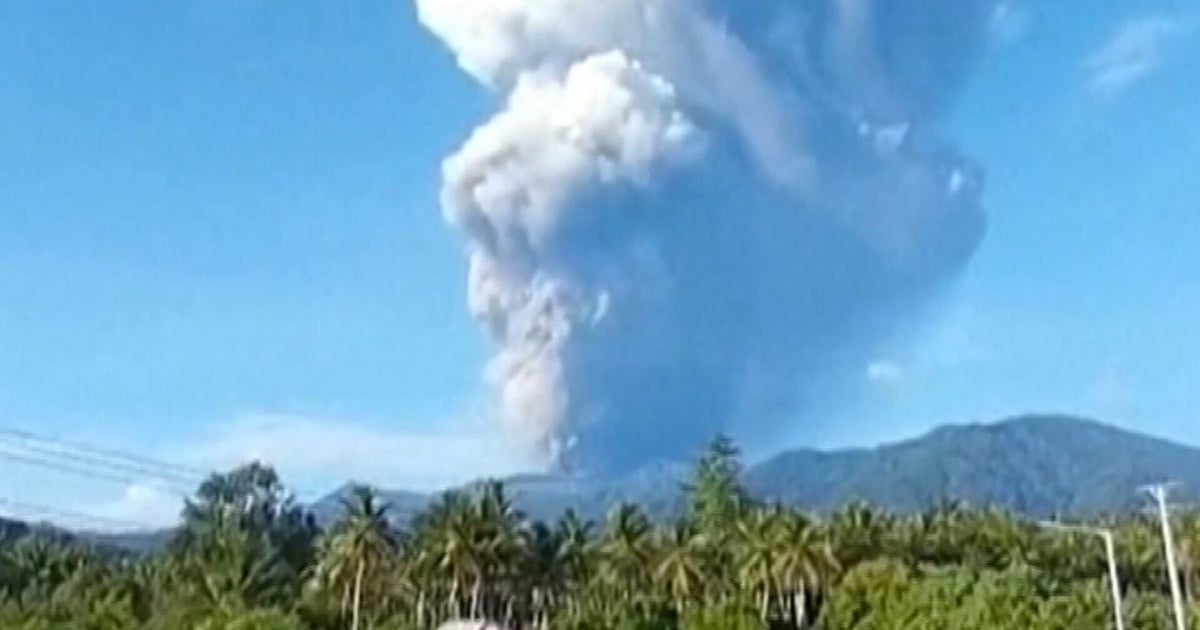
Tragedy struck a remote Indonesian island when a local volcano erupted, claiming the lives of three hikers. The volcano in question is known for its recurring eruptions over several decades, presenting ongoing challenges to the surrounding environment and any individuals in close proximity. News reports confirm the deaths and highlight the inherent dangers of volcanic activity, especially in regions with active geological formations.
The specific circumstances surrounding the hikers' deaths are still under investigation. It is unclear how close they were to the crater at the time of the eruption, or whether they were caught in a pyroclastic flow, suffered from ash inhalation, or succumbed to other hazards associated with volcanic events. Rescue teams and local authorities are likely working to recover the bodies and assess the area for any additional risks to ensure the safety of future travelers and residents.
The lack of immediate details in initial reports underscores the remoteness of the affected area. Communication and access to the island may be limited, hindering the rapid dissemination of information. As investigations progress, more information is anticipated regarding the timeline of events, the volcano's activity leading up to the eruption, and any warning systems that were in place, or lacking. This might shed light on preventative measures.
Three hikers have died following a volcanic eruption on a remote Indonesian island.
Why It Matters
This incident serves as a stark reminder of the destructive power of nature and the risks associated with venturing into areas prone to natural disasters. Volcanoes, while often scenic and attracting tourists, can be unpredictable and deadly. It emphasizes the importance of adhering to safety guidelines, respecting local advisories, and exercising caution when exploring volcanic regions. The well-being of tourists can also be impacted by the safety guidelines.
The event could also have broader implications for tourism and the local economy. Indonesian islands frequently rely on tourism. The location experienced a negative impact due to the accident. Depending on the severity and frequency of eruptions, visitation to the island may decline, impacting local businesses and livelihoods. Furthermore, it could prompt a review of safety protocols and emergency preparedness measures in other volcanic regions to prevent similar tragedies in the future.
What Comes Next
In the immediate aftermath, the focus will likely be on recovering the bodies of the deceased hikers and providing support to their families. Assessments of the volcano's activity will be ongoing to determine the likelihood of further eruptions and to implement appropriate safety measures. Local authorities will likely be working to inform the public and ensure the safety of residents and visitors.
Longer term consequences could include a re-evaluation of tourism policies in volcanic regions and a greater emphasis on disaster preparedness. Investments in early warning systems, evacuation plans, and public education can play a crucial role in mitigating the risks associated with volcanic activity. The incident may also lead to increased scientific research and monitoring of volcanoes to better understand their behavior and predict future eruptions, potentially lowering the death toll from future eruptions.
Explore More
Related topics on gab.ae: ai