What Happened
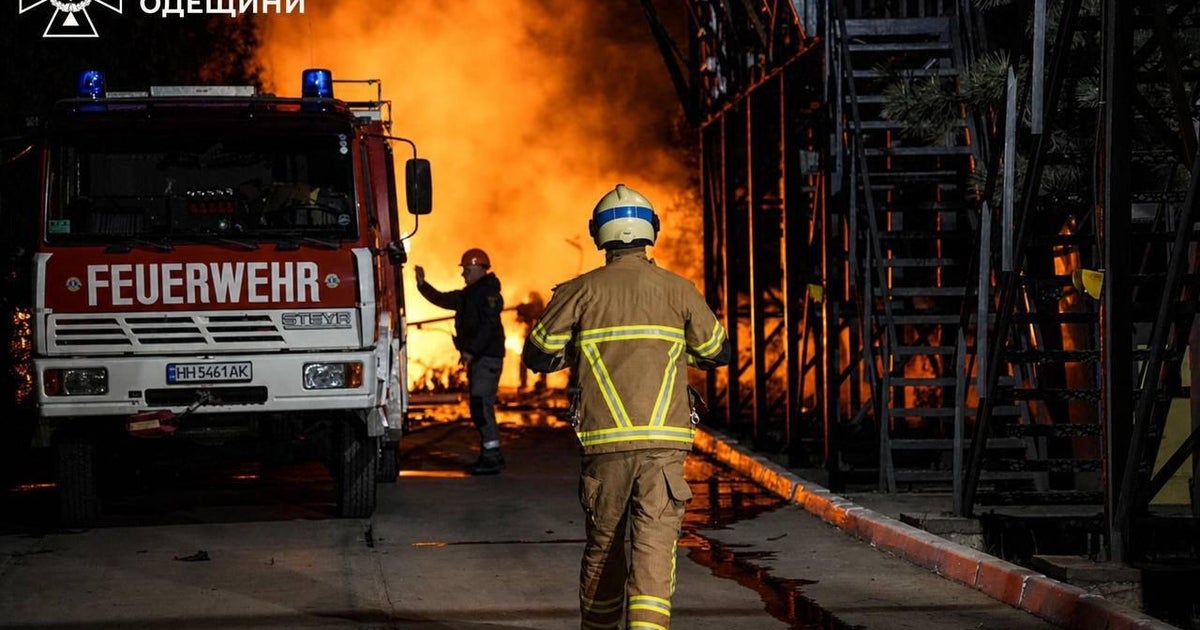
On Sunday, Ukrainian drones targeted critical Russian oil infrastructure, including the port of Primorsk, located on the Baltic Sea. This port, operated by Transneft, is Russia’s largest oil exporting port and a key hub for the country's oil exports, capable of handling large volumes of oil daily. The attack caused a fire, according to Russian regional Gov. Alexander Drozdenko. This is not the first attack on Primorsk, as the port was targeted multiple times in March.
Ukrainian forces also reportedly struck two tankers allegedly belonging to Russia’s “shadow fleet.” These tankers are suspected of being used to illegally transport Russian crude oil, evading Western sanctions and price caps imposed on Russian energy exports. The attacks are part of a broader effort by Ukraine to disrupt Russia’s oil exports and diminish its revenue streams, which are crucial for funding the ongoing war.
"These tankers were actively used to transport oil. Now they won't,"
Why It Matters
Ukraine's attacks on Russian oil infrastructure aim to cripple Russia's ability to finance its war effort. Oil revenues are a critical source of funds for Moscow, and disrupting these flows directly impacts Russia's military capabilities. By targeting export routes and infrastructure, Ukraine hopes to raise the costs of the war for Russia and weaken its economic position. These attacks come at a time when oil prices have been elevated due to the war in Ukraine and global instability.
The attacks on the 'shadow fleet' highlight the ongoing efforts to enforce sanctions and price caps on Russian oil exports. These vessels are often involved in transferring oil between ships at sea and other deceptive practices designed to obscure the origin of the oil and evade detection. Disrupting these activities is crucial for maintaining the effectiveness of Western sanctions and preventing Russia from undercutting international efforts to limit its oil revenue.
What Comes Next
Ukraine's stepped-up attacks on Russian oil infrastructure suggest a continued strategy of targeting Russia's economic vulnerabilities. Further attacks can be expected, potentially expanding to other key oil production and transportation sites. The effectiveness of these attacks will depend on Ukraine's ability to overcome Russian air defenses and intelligence capabilities but also on the ability of the west to provide better defensive systems.
The international community will likely respond to these attacks with increased scrutiny of Russia's oil export activities and further efforts to strengthen sanctions enforcement. It's unknown if Russia will retaliate in the Black Sea region, but it is certainly possible. The impact on global oil markets will be closely monitored, as disruptions to Russian oil exports could push prices higher, impacting consumers worldwide.
Explore More
Related topics on gab.ae: ai