What Happened
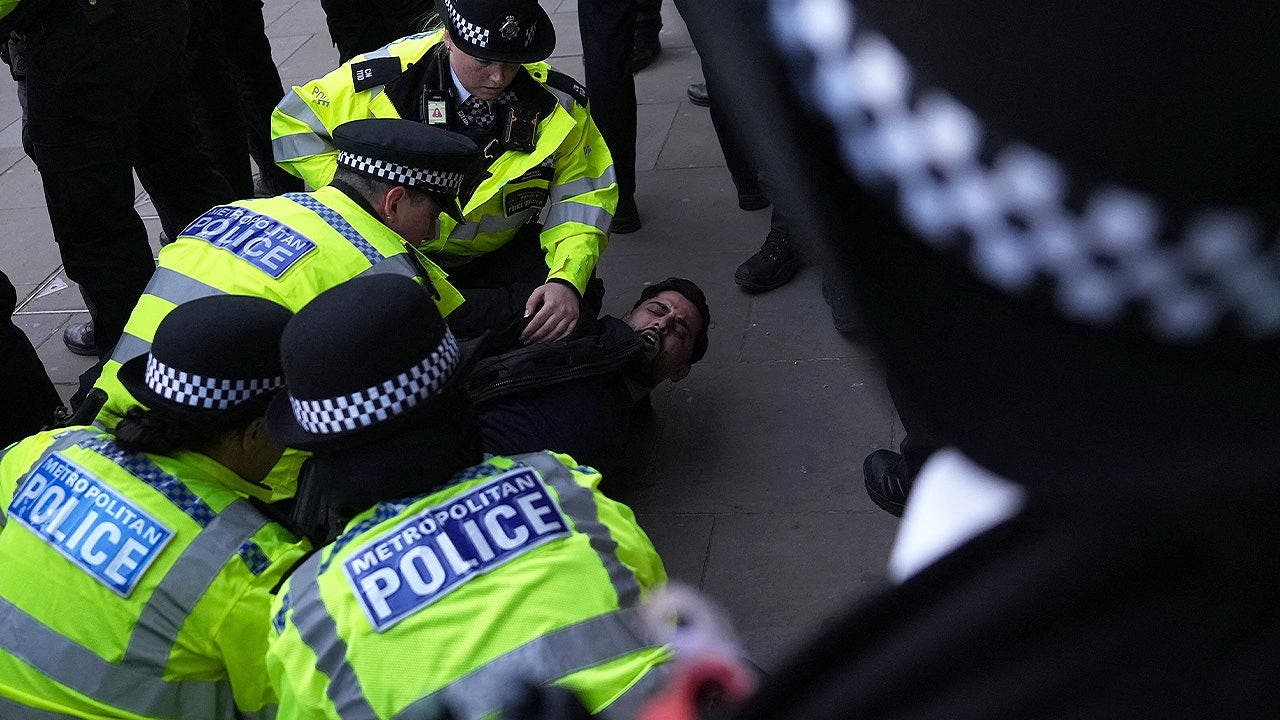
On Wednesday, two individuals were stabbed in the Golders Green neighborhood of north London, an area with a significant Jewish population. The incident prompted immediate concern and investigation by law enforcement, who swiftly declared it a terrorist incident. Police responded to reports of multiple stabbings on Highfield Avenue in the Barnet borough. The victims, a 76-year-old and a 34-year-old, sustained stab wounds and were promptly treated at the scene before being transported to a hospital for further care. Their condition is currently stable, and they are receiving ongoing medical attention.
The suspect has been identified as 45-year-old Essa Suleiman, a British national born in Somalia. Authorities revealed that Suleiman has a known history of serious violence and mental health issues. The police investigation is ongoing to determine the full extent of Suleiman's motives and any potential connections to extremist groups or ideologies. The focus of the investigation is to fully understand the circumstances leading up to the attack and to ensure the safety and well-being of the community.
Home Secretary Shabana Mahmood called Wednesday’s violence an 'abhorrent, antisemitic attack' and said the elevated threat level would be a source of concern for many.
Why It Matters
The increase in the UK's terror threat level to 'severe' signifies a heightened risk of terrorist attacks across the country, as the Joint Terrorism Analysis Centre (JTAC) believes an attack is now 'highly likely' in the near future. This decision reflects not solely the Golders Green stabbing incident, but a more general rise in extreme right-wing terrorism observed within Britain and potentially beyond its borders. The timing of the incident, coupled with the raising of the threat level, amplifies security concerns for the Jewish community, who have been the targets of increased hate crimes recently.
The elevated threat level has broad implications for national security measures and public safety protocols. Increased security presence at public events and Jewish community sites is expected. The government is likely reviewing counter-terrorism strategies to address the evolving threat landscape. It is a reminder of the persistent threat posed by terrorism, both from international and domestic sources. It also raises questions about the role of mental health issues in radicalization and potential preventative measures that could be implemented.
What Comes Next
In the immediate aftermath of the threat level increase, law enforcement agencies are expected to increase patrols and security around key locations, especially those frequented by the Jewish community. The investigation into Essa Suleiman's motives will continue, with a focus on uncovering any potential links to extremist groups or ideologies. Counter-terrorism officials will also be reviewing existing strategies and tactics to determine whether adjustments are needed to more effectively address threats.
The British government is likely to work with community leaders to address concerns and provide reassurance, particularly within the Jewish community, who feel most under threat. There is likely to be increased public discourse surrounding the rise in extreme right-wing terrorism and potential ways to combat it. The government may also explore legislative changes to strengthen counter-terrorism laws or address specific vulnerabilities identified through the investigation of the London stabbing.
Explore More
Related topics on gab.ae: ai