What Happened
The United Kingdom has increased its national terrorism threat level from 'substantial' to 'severe' after a stabbing attack in Golders Green, a residential area in northwest London, wounded two Jewish men. The attack, which occurred earlier this week, prompted immediate concern and condemnation from government officials and community leaders. Authorities have formally declared the incident as a terrorist attack and have arrested a 47-year-old man on suspicion of attempted murder. He remains in custody as the investigation continues.
Home Secretary Shabana Mahmood described the attack as an 'abhorrent' and 'vile act of terrorism,' acknowledging the heightened anxiety within the Jewish community. London Mayor Sadiq Khan echoed these sentiments, expressing solidarity with the Jewish community and assuring residents that all possible measures are being taken to ensure the city's safety. The 'severe' rating signifies the second-highest level of security preparedness in the UK, meaning an attack is highly likely and requires increased vigilance and preventative action.
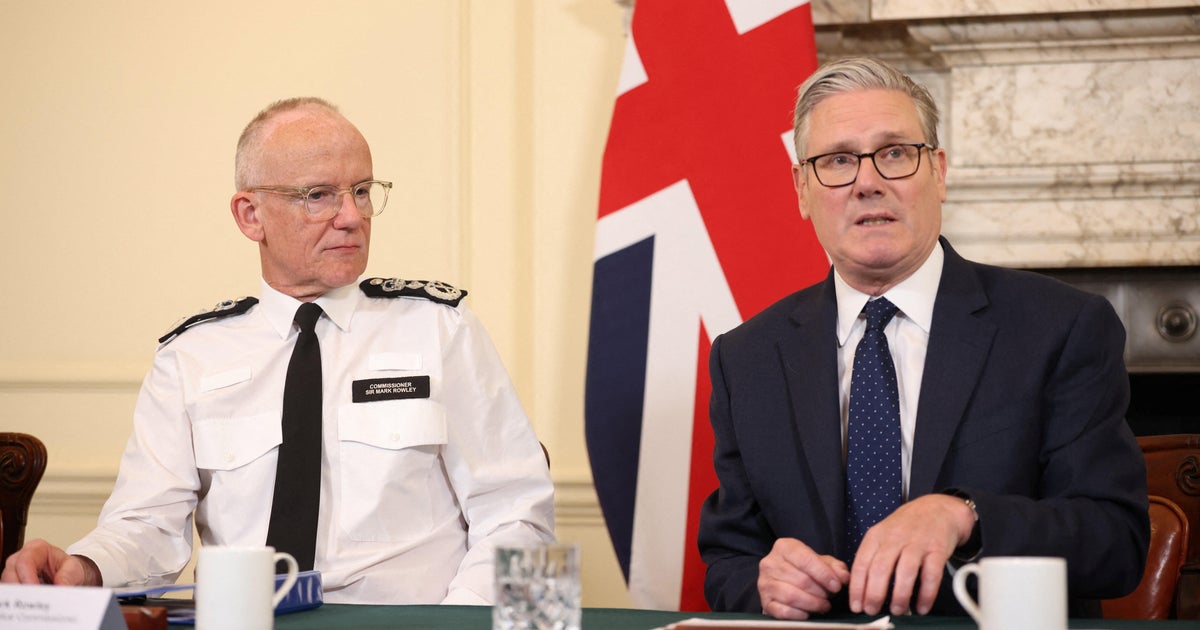
The stabbing incident follows a prior act of arson in the same area, where four emergency response vehicles belonging to an independent Jewish community ambulance service were targeted a month ago. This series of incidents has intensified concerns within the Golders Green community and raised questions about the adequacy of existing security measures. Prime Minister Keir Starmer visited Golders Green to meet with emergency responders, with some local residents protesting and demanding greater action from the government to protect the community. The Prime Minister assured community members of his commitment to bolstering security.
"The increase in threat comes following yesterday's stabbing in Golders Green in North London, but it is not solely a result of that attack."
Why It Matters
The raising of the terrorism threat level signals a broader concern about the escalating risk of terrorism in the UK. While the Golders Green stabbing served as an immediate catalyst, the move reflects a more systemic assessment of the threat landscape. Officials cited the increasing threat of both Islamist and extreme right-wing terrorism as key factors informing the decision. This multifaceted threat requires a comprehensive response encompassing law enforcement, intelligence gathering, and community engagement. The heightened alert level necessitates increased cooperation between various agencies and the implementation of enhanced security protocols across critical infrastructure and public spaces.
The classification of the UK's terror threat as 'severe' significantly impacts daily life. Increased security measures may become visible across the country, including heightened police presence at public events, increased security checks at airports and train stations, and enhanced surveillance in crowded areas. It also serves as a reminder that vigilance is necessary for the public. Citizens are urged to report any suspicious activity and to cooperate with authorities in maintaining a secure environment. The government is also calling upon community leaders to foster social cohesion and to address the root causes of extremism, in order to prevent future acts of terror.
What Comes Next
In the immediate aftermath of the threat level increase, authorities are focused on bolstering security measures in areas deemed to be at higher risk. This includes increased patrols in areas with large Jewish populations, such as Golders Green, and enhanced protection for synagogues and other community institutions. Law enforcement agencies are also working to disrupt potential plots and apprehend individuals who may pose a threat. Intelligence gathering efforts are being intensified to identify and monitor extremist groups and individuals.
Looking forward, the UK government will need to address the underlying factors contributing to the increased terrorism threat. This includes tackling online radicalization, countering extremist narratives, and promoting social inclusion. It will also be crucial to strengthen partnerships with international allies to share intelligence and coordinate counter-terrorism efforts. Furthermore, the government will need to engage with communities most vulnerable to radicalization to build trust and resilience.
Explore More
Related topics on gab.ae: ai