What Happened
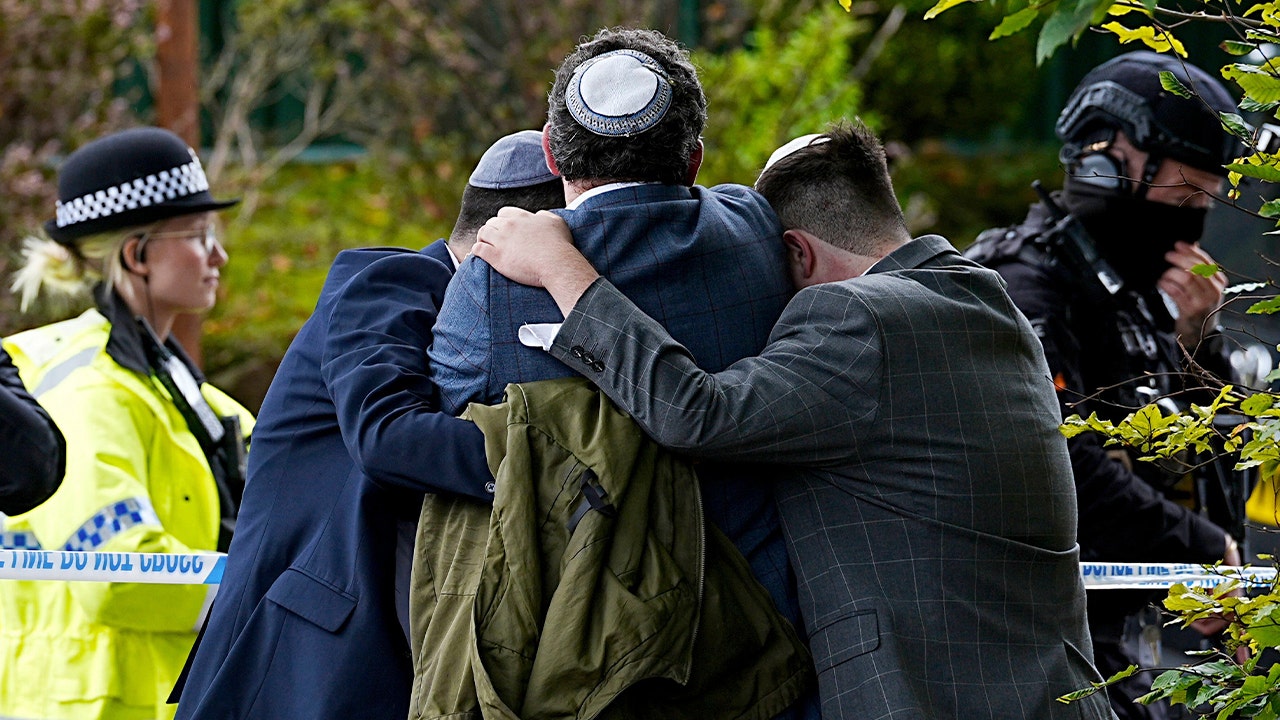
A British Jewish student has described the reality of rising antisemitism within the UK, particularly on university campuses. The student recounts the constant calculation of personal safety and visibility as a Jewish person, questioning whether displaying religious symbols like a Star of David or Kippah could make them a target. This fear extends to participating in class discussions, as speaking up could lead to unwanted attention or harassment.
The student highlights that attending university, a primary function of a student's life, has become a secondary concern compared to dealing with the daily stress of navigating antisemitism on campus. This 'double life' involves balancing academic responsibilities with the constant vigilance required to ensure personal safety and avoid being targeted for their religious identity. The student's account paints a picture of a challenging and stressful environment for British Jewish students today.
The student also references the recent wave of arson attacks against Jewish sites in London, further fueling concerns about the safety and security of the Jewish community in Britain. These attacks, which targeted synagogues and a Jewish charity, are being investigated by counterterrorism police, with potential links to Iranian proxies. The combination of campus antisemitism and real-world threats creates an environment of heightened anxiety and fear for British Jews.
Being a Jewish student in Britain today means living a kind of double life…calculating: am I in danger because my Star of David is visible?
Why It Matters
The student connects the current situation to the experiences of their great-grandmother, Lily Ebert, an Auschwitz survivor who rebuilt her life in Britain believing it would be a safe haven for her family. Lily Ebert dedicated her life to educating young people about the dangers of antisemitism and the importance of preventing history from repeating itself and, in her final months, she expressed horror at the rising threats against Jews in the country she had come to trust. The student suggests that Britain is failing to uphold its duty to protect its Jewish citizens.
The rise in antisemitic incidents and the targeting of Jewish institutions raises serious concerns about the broader societal implications. It suggests a potential erosion of tolerance and acceptance, and a failure to learn from the lessons of the past. The implications extend beyond the Jewish community, threatening the fabric of a diverse UK society and potentially emboldening other forms of hate and discrimination. The student's call for action underscores the urgent need to address the root causes of antisemitism and create a safer and more inclusive environment for all.
What Comes Next
Counterterrorism police are investigating the arson attacks in London and probing whether Iranian proxies are responsible, which could lead to arrests and indictments. The results of these investigations will likely shape the public discourse and potentially influence government policies aimed at combating antisemitism. Increased security measures at Jewish institutions may also be implemented to deter further attacks, but the outcome of the arson cases is difficult to predict at this time.
The student's personal account and call to action could spark further dialogue and initiatives within universities and broader society to address antisemitism. This may include enhanced education programs, increased reporting mechanisms for hate crimes, and stronger support systems for Jewish students and community members. Whether this leads to actual changes in the levels of antisemitism is yet to be seen, but it all starts with a greater awareness of the issue, and a greater accountability for those involved.