What Happened
The United Arab Emirates reported intercepting two ballistic missiles and three drones launched by Iran on Friday. The UAE's Defense Ministry reported that three people were wounded as a result of the attacks. Authorities urged residents to stay away from any debris resulting from the interceptions. Details regarding the specific targets and the extent of the damage caused by the attacks are still emerging.
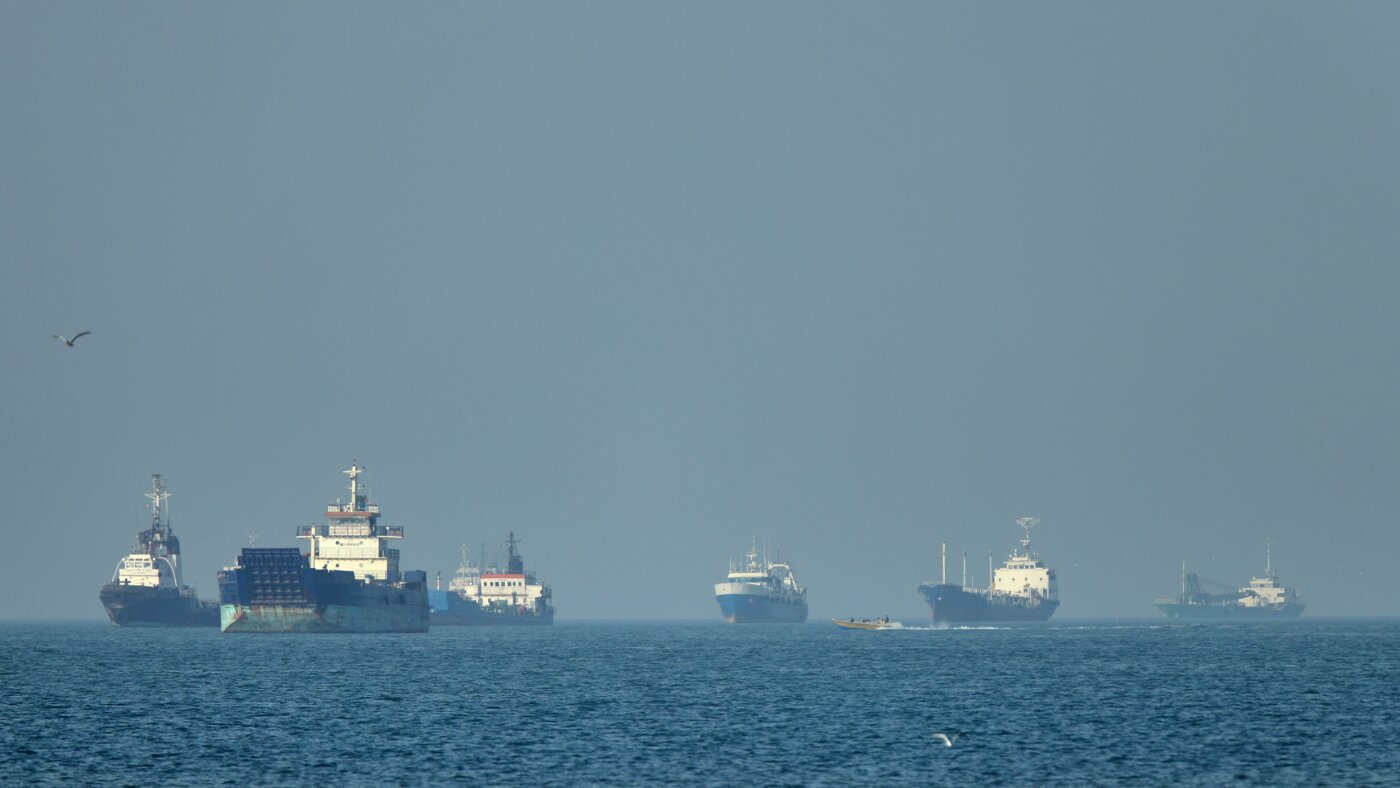
The incident occurred just hours after the U.S. reported engaging Iranian forces in the Strait of Hormuz. According to U.S. officials, American forces thwarted attacks on three Navy ships and subsequently struck Iranian military facilities in the strait. The U.S. military stated that none of its ships sustained any damage. The Strait of Hormuz is a critical waterway for global energy supplies. Since the start of the war, Iran has mostly blocked the waterway causing an energy crisis.
These events mark a significant escalation in tensions, further jeopardizing a ceasefire that has been in place for approximately a month. The exchange of fire between the U.S. and Iranian forces, coupled with the missile strike on the UAE, underscores the fragility of the current situation and raises concerns about a potential return to full-scale conflict. The details surrounding each incident are still under investigation.
The U.S. said it thwarted attacks on three Navy ships and struck Iranian military facilities in the strait.
Why It Matters
The renewed violence threatens global stability. Iran has blocked a critical waterway for global energy since the U.S. and Israel launched the war on Feb. 28, causing a global spike in fuel prices and rattling world markets. Any further escalation could have far-reaching consequences for the region and the global economy, impacting energy prices, trade routes, and international relations. The situation also highlights the complex geopolitical dynamics at play, with multiple actors and competing interests contributing to the instability.
Furthermore, the attacks undermine diplomatic efforts to resolve the conflict peacefully. With Washington awaiting a response from Tehran on proposed terms for ending the war, the violence creates an atmosphere of distrust and makes it more difficult to reach a lasting agreement. The involvement of external actors, such as Pakistan, which is actively seeking to mediate between the U.S. and Iran, underscores the international concern over the situation and the desire to prevent further escalation.
What Comes Next
The immediate focus is on Iran's response to the diplomatic proposals put forward by the U.S. Secretary of State Rubio expressed hope that Iran's response would be a serious offer, signaling a willingness to engage in constructive negotiations. However, the recent violence casts doubt on the prospects for a swift resolution. The coming days will be crucial in determining whether diplomacy can prevail or whether the region is headed for further conflict.
In the longer term, the situation underscores the need for a comprehensive approach to addressing the underlying causes of instability in the Middle East. This includes addressing regional rivalries, promoting inclusive governance, combating extremism, and fostering economic development. Without addressing these fundamental issues, the region will remain vulnerable to cycles of violence and conflict. Details of any upcoming emergency G7 meetings are still emerging.
Explore More
Related topics on gab.ae: ai