What Happened
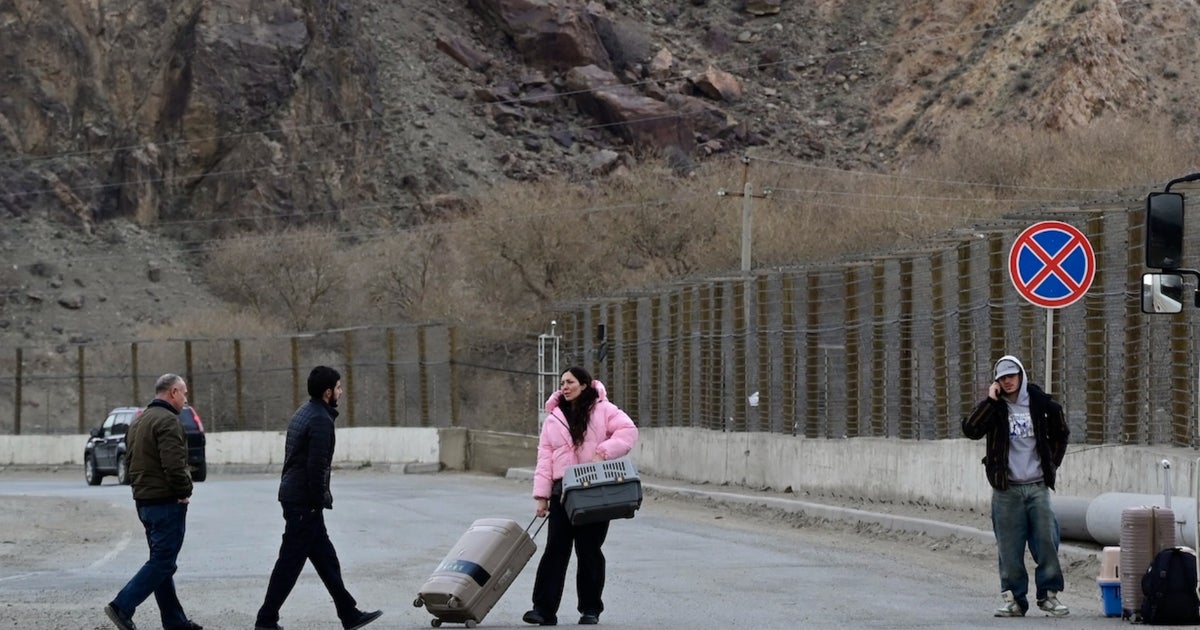
The ongoing tensions between the U.S., Israel, and Iran have escalated beyond direct confrontations, spilling over into neighboring regions. Armenia, a country already dealing with its own geopolitical challenges, has seen a sudden influx of refugees fleeing the instability caused by the conflict. Michael Bociurkiw, a senior fellow at the Atlantic Council's Eurasia Center, noted that the situation is exacerbating existing humanitarian crises in the region.
The refugees, primarily from areas affected by the conflict, are seeking safety in Armenia, which has historically been a haven for displaced populations. However, the sudden surge is straining the country's resources and infrastructure. Bociurkiw emphasized that the crisis highlights the broader regional impacts of the U.S.-Israel-Iran tensions, which are often overlooked in favor of immediate geopolitical developments.
The conflict's fallout is spreading beyond immediate borders, with Armenia bearing the brunt of the refugee crisis.
Why It Matters
The refugee crisis in Armenia underscores the far-reaching consequences of the U.S.-Israel-Iran conflict, which extends beyond military and political spheres. The displacement of populations creates humanitarian challenges that require international attention and cooperation. Bociurkiw warned that failing to address these issues could lead to further destabilization in an already volatile region.
Armenia's capacity to handle the influx is limited, raising concerns about the long-term sustainability of its response. The crisis also highlights the interconnectedness of regional conflicts, where actions in one area can have unintended consequences elsewhere. This situation serves as a reminder of the human cost of geopolitical tensions.
What Comes Next
As the conflict between the U.S., Israel, and Iran continues, experts like Bociurkiw predict that the refugee crisis in Armenia could worsen. International organizations may need to step in to provide aid and support to mitigate the humanitarian impact. The situation calls for a coordinated response to address both the immediate needs of refugees and the underlying causes of their displacement.
The broader implications of the crisis remain uncertain, but it is clear that the fallout from the conflict is not confined to the direct parties involved. Regional stability hangs in the balance, and the international community will need to monitor developments closely to prevent further escalation.