What Happened
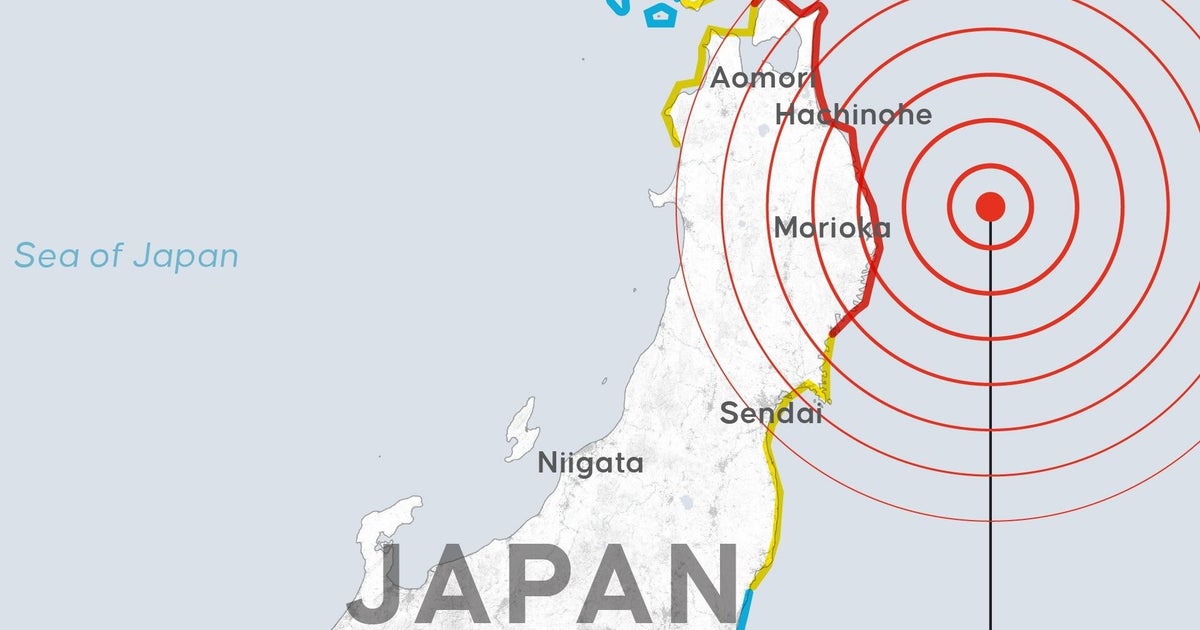
A major earthquake struck off the northern coast of Japan, prompting immediate action from authorities. The Japanese Meteorological Agency swiftly issued tsunami warnings for coastal areas in the region. These warnings were put in place as a precaution to protect residents from potential waves that could have been generated by the seismic activity. The earthquake's location and magnitude raised concerns about the possibility of a significant tsunami event impacting the coastline.
Following the initial earthquake and the subsequent tsunami warnings, authorities began assessing the situation to determine the actual impact on coastal communities. Emergency response teams were mobilized to monitor sea levels and prepare for potential evacuations if necessary. The focus was on ensuring the safety of residents living in low-lying areas that were most vulnerable to tsunami waves. The rapid response aimed to mitigate potential damage and protect lives in the event of a significant event.
After thorough evaluation and monitoring, authorities lifted the tsunami warnings that had been issued earlier. This decision followed careful observation of sea levels and assessment of the situation along the affected coastline. While the earthquake was significant, the potential for a major tsunami event did not materialize. Details are still emerging regarding the extent of damage and the potential for aftershocks in the affected region.
Details are still emerging regarding the extent of damage and the potential for aftershocks in the affected region.
Why It Matters
Japan is particularly vulnerable to earthquakes and tsunamis due to its location along the Pacific Ring of Fire, a highly seismically active zone. The country has a long history of dealing with natural disasters, and its infrastructure and emergency response systems are designed to minimize the impact of such events. The recent earthquake highlights the ongoing risks faced by communities in this region. It also underscores Japan's commitment to preparedness and resilience in the face of geological threats.
The swift response to the earthquake and the issuance of tsunami warnings demonstrate the importance of early warning systems in mitigating the potential consequences of natural disasters. These systems provide crucial time for residents to evacuate and for authorities to prepare for potential impacts. The ability to quickly assess the situation and disseminate information is essential for minimizing damage and protecting lives. The lifting of the warnings reflects the effectiveness of the monitoring and analysis conducted by the Japanese Meteorological Agency.
What Comes Next
In the immediate aftermath of the earthquake, authorities will continue to monitor the situation for any potential aftershocks. These aftershocks, while typically less powerful than the initial earthquake, can still pose a risk to infrastructure and potentially trigger landslides or other secondary hazards. Residents are advised to remain vigilant and follow any guidance issued by local authorities. Assessment teams further evaluate overall damage.
Longer-term efforts will focus on assessing the overall impact of the earthquake on communities and infrastructure. This assessment will help inform recovery and reconstruction efforts, including repairing damaged buildings and infrastructure, providing support to affected residents, and implementing measures to enhance resilience to future disasters. This will be a collaborative effort involving government agencies, local communities, private organizations, and international partners.