What Happened
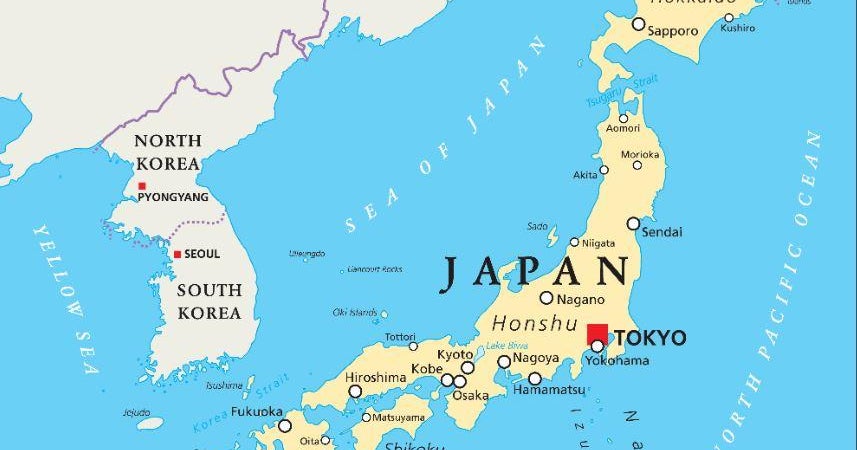
A significant earthquake has struck off the northern coast of Japan, specifically the Sanriku region. The Japan Meteorological Agency reported the event, registering a preliminary magnitude of 7.4. This is a powerful quake that has the potential to cause significant damage, especially in coastal areas. The agency has issued a tsunami warning, indicating the potential for hazardous waves to impact the coastline. This warning is a critical step to ensure the safety of residents and to allow them ample time to evacuate to higher ground.
The earthquake occurred at approximately 4:53 p.m. local time (2:53 a.m. Eastern on Sunday), originating at a relatively shallow depth of about 6 miles below the sea surface. Shallow earthquakes tend to cause more ground shaking and are more likely to generate tsunamis. The location off the Sanriku coast, known for its history of seismic activity, heightens the need for preparedness and vigilance. The alert was activated almost immediately after the earthquake was registered, a sign of commitment from authorities to keep people safe.
NHK, Japan's public broadcaster, has reported that a tsunami reaching up to 10 feet high could strike the area shortly. The potential impact of a tsunami of this size could be substantial, with the capacity to inundate low-lying coastal areas, damage infrastructure, and endanger lives. Evacuation orders are likely to be issued for vulnerable communities. Coastal dwellers need to follow directions from their local authorities, and evacuate to pre-determined high-ground locations.
Japan's NHK public television said a tsunami of up to 10 feet could hit the area shortly.
Why It Matters
Japan is an earthquake-prone country due to its location along the Pacific Ring of Fire, a highly seismically active region. This underscores the importance of robust disaster preparedness and response systems. The country has invested heavily in early warning systems, construction standards designed to withstand strong earthquakes, and public education campaigns to raise awareness of earthquake safety practices. The rapid response to this earthquake, including the immediate issuance of a tsunami warning, demonstrates the effectiveness of these measures.
Tsunamis can cause widespread destruction and loss of life, as witnessed in previous major events, including the 2011 Tōhoku earthquake and tsunami. The immediate and well-coordinated response by Japanese authorities, including the rapid dissemination of information through public television and other channels, is crucial in mitigating the potential damage from this event. The experience gained from past disasters informs current procedures and helps ensure that the population is well-informed and prepared to act.
What Comes Next
Residents in the affected areas should adhere to evacuation orders and move to higher ground immediately. It is essential to monitor official sources of information, such as NHK and the Japan Meteorological Agency, for the latest updates on the tsunami threat and evacuation instructions. Following guidance from local authorities will significantly increase one's safety. This earthquake serves as a reminder to people who live in tectonically active regions to prepare for worst-case scenarios, and learn how to reach safety.
Authorities will continue to monitor the situation and assess the extent of any damage caused by the earthquake and potential tsunami. Emergency response teams stand ready to assist affected communities and provide aid where needed. The focus will remain on ensuring the safety of residents, providing support to those who have been displaced, and beginning the process of assessing and addressing the long-term impacts of the event. Further details are still emerging.