What Happened
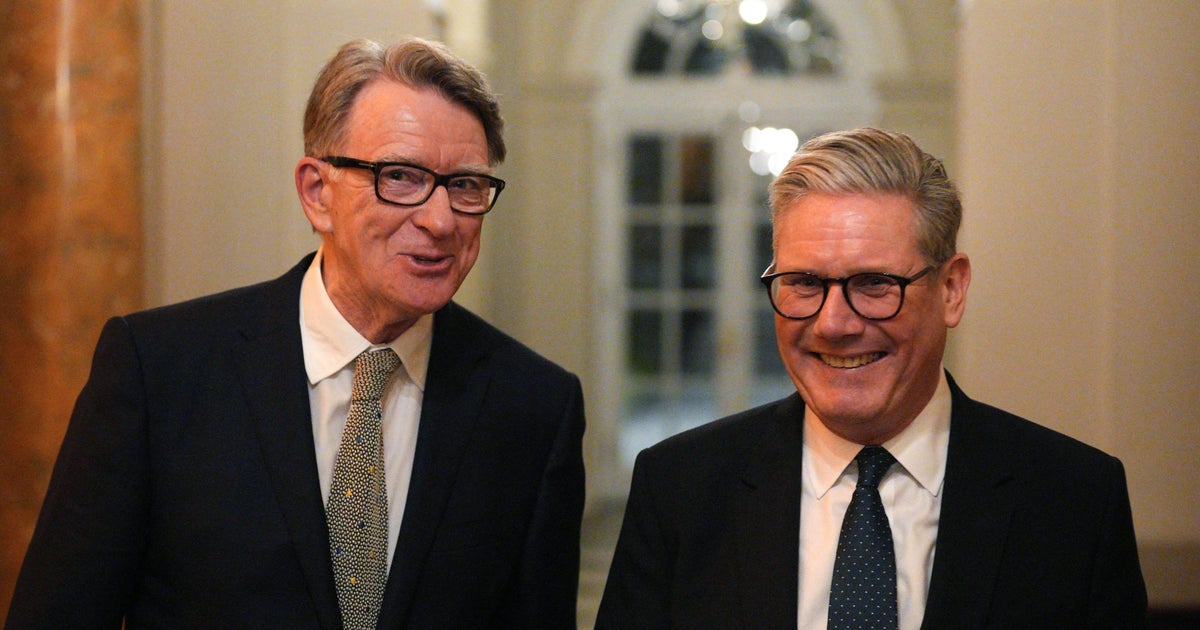
British Prime Minister Keir Starmer is once again caught in a controversy surrounding his initial decision to appoint Peter Mandelson, who had close ties to Jeffrey Epstein, as the U.K.'s ambassador in Washington. The appointment, followed by its subsequent reversal, has sparked significant political fallout and raised questions about the vetting process within the British government. Mandelson's connection to Epstein, the late American financier convicted of sex offences, has garnered intense scrutiny.
The situation escalated when details emerged revealing the depth of Mandelson's friendship with Epstein. These revelations led to his dismissal from the ambassadorship in September. Furthermore, London's Metropolitan police arrested Mandelson in February following the emergence of emails suggesting he shared confidential information with Epstein. Despite the ongoing investigation, Mandelson's bail conditions have been lifted, and he has consistently denied any knowledge of or involvement with Epstein's criminal activities. The unfolding drama continues to put pressure on his position and the handling of appointments.
Starmer has repeatedly asserted his unawareness of Mandelson's connection to Epstein when making the initial appointment. Facing intense questioning in Parliament, Starmer pointed fingers at Britain's Foreign Office, claiming they failed to notify him or his cabinet about concerns raised during a formal security vetting of Mandelson conducted in January 2025. According to Starmer, this vetting shed a negative light on his suitability for the ambassadorship and therefore suggested he shouldn't have been picked. Last week, Starmer fired Sir Olly Robbins, the most senior civil servant during the time.
While apologizing for an error of judgment, Starmer called it "frankly staggering" that Foreign Office officials didn't inform him of Mandelson's history.
Why It Matters
The Starmer-Mandelson scandal has implications beyond just political embarrassment. The appointment vetting process is now being questioned, revealing what some perceive to be gross negligence in the Foreign Office for not flagging Mandelson's affiliations with Epstein, who needs no introduction. Starmer insists he would have rescinded the appointment had he known. Now, Starmer is trying to contain the political damage resulting from the fallout of the appointment. The scandal could impact Starmer's leadership and future political prospects as opposition parties seize upon the opportunity to criticize his judgment and decision-making.
The associations of political figures and their connections to controversial individuals, like Epstein, can significantly erode public trust in government and institutions. The scandal comes at a critically important time, as countries around the world are making important political decisions. The episode also reflects a broader societal concern regarding the accountability of those in positions of power and the need for transparency in governmental appointments, which is a concern not restricted just to the the West.
What Comes Next
Mandelson remains under investigation and the full consequences of the investigation are yet to be fully known. There are likely to be further inquiries into the events that led to his appointment and subsequent dismissal. Also further examination may be made into the vetting process, identifying potential weaknesses in the evaluation of candidates for important positions. The parliamentary session was described as "rowdy" so there can be an investigation into the process of vetting people.
The scandal will continue to be a talking point, potentially affecting public confidence in Starmer's leadership. The incident underscores the need for vigilance when those in positions of power make choices that influence political and governmental affairs. It is likely that in the medium and long term, political parties in the UK will improve their vetting of political appointees.