What Happened
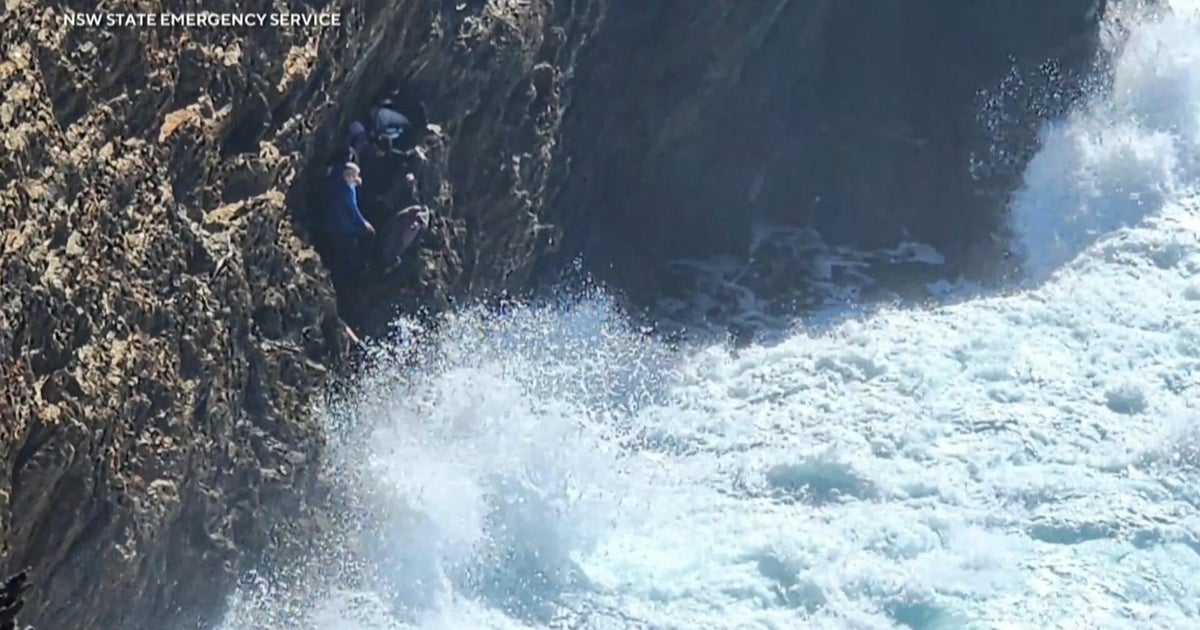
During a morning walk on a beach along Australia's east coast, a group of seven tourists, which included three children, became stranded on a cliff as the tide rapidly came in. The group managed to climb to a ledge on the cliff to avoid the rising water, but found themselves trapped with 16-foot waves closing in. They were able to contact the police via a mobile phone to call for a rescue, which was good fortune at a stressful time.
According to Pete Collins, the commander of the local emergency services, there was a fear that the tourists could have been washed off if the waves had been somewhat higher. First responders initially considered a helicopter rescue, but determined that the downdraft from the helicopter's rotor blades would push the stranded group into the water. To avoid this, rescuers opted for a specialized ground-based rope and pulley system for a safer extraction in a more challenging but ultimately safer operation.
The rescue operation ultimately took three hours to complete. Rescuers used equipment called the Arizona vortex, which was invented in northern Arizona. Collins explained that the device was critical; without using it, dragging the ropes over the cliff edge would have damaged the ropes due to the sharp edges on the rocks.
"If the waves had come up any higher and washed them off, that's the worst," said Pete Collins, the commander of the local emergency services.
Why It Matters
The successful rescue highlights the critical role of well-trained and equipped emergency services. The Australian rescue workers involved in bringing the group to safety are all unpaid volunteers, demonstrating their dedication and commitment to the community. It also spotlights the inherent risks associated with coastal environments and the importance of being aware of tidal changes and potential hazards when exploring such areas.
The use of the Arizona vortex, originally created in Arizona, demonstrates the global interconnectedness of safety equipment and rescue techniques. This particular piece of equipment proved essential in ensuring the safety of both the tourists and the rescuers by preventing rope damage. Furthermore, the story emphasizes the importance of preparedness; the rescue team had been practicing for such scenarios to ensure a coordinated and efficient response.
What Comes Next
Following the successful rescue, local authorities are likely to review safety protocols and signage at the beach to prevent similar incidents from occurring in the future. This may include improved warnings about tidal patterns and restricted access to certain areas during high tide. The incident serves as a reminder for tourists to exercise caution and be aware of their surroundings when exploring coastal areas.
The rescued tourists will likely receive medical evaluations and support to help them recover from the traumatic experience. The incident may also prompt discussions about the funding and resources available to volunteer emergency services, recognizing their crucial role in protecting the community. It is possible that better funding may become more available for these volunteer rescue groups after a successful operation to show how valuable they are.