What Happened
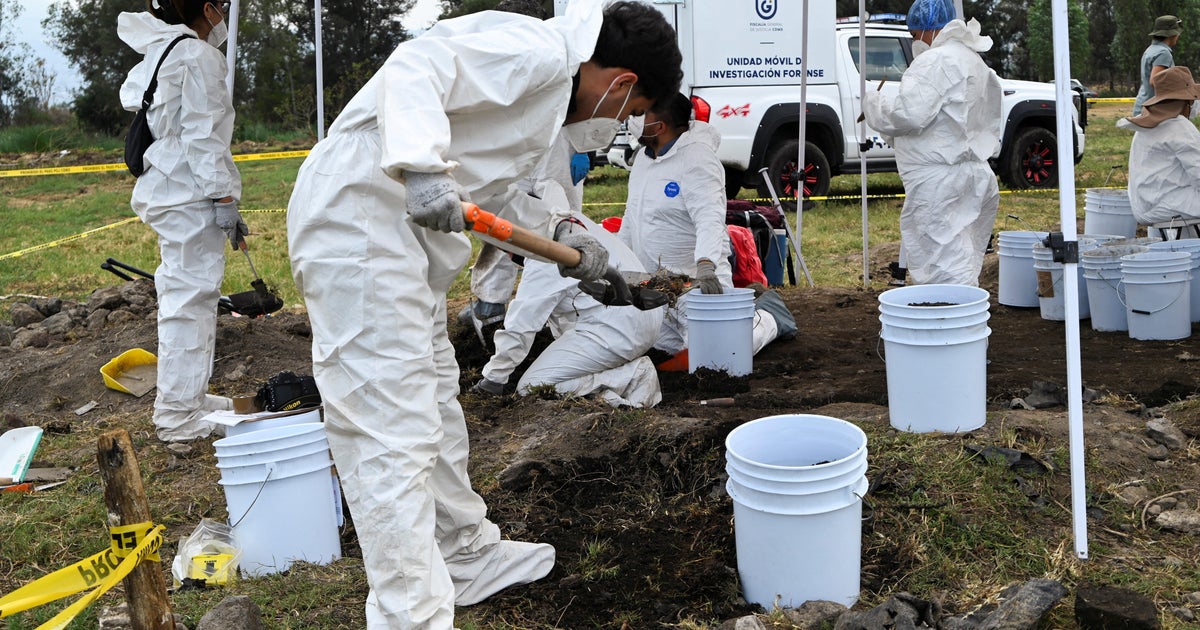
Authorities and a volunteer group revealed the discovery of over 1,000 bone fragments near Lake Chalco in Mexico City. This grim discovery comes as Mexico City prepares to host World Cup games in June. A collective of families searching for missing loved ones described the findings as evidence of a "devastating reality" and a "forensic crisis of incalculable dimensions." The location of the find, near a prominent lake, adds to the distress, raising questions about the extent of unaddressed violence in the area.
City authorities began exhuming the lakeside site in the eastern part of Mexico City the previous week. Initially, prosecutors announced the discovery of approximately 300 bone fragments, suggesting they could belong to as few as three people. However, a volunteer group of family members who are searching for their loved ones claimed to have found more than 1,000 bone fragments in the area. This discrepancy highlights potential inconsistencies or oversights in the official investigations, leading to increased frustration among those directly affected by the violence.
The volunteer group asserted that they found fragments in areas that government agents had already examined, suggesting a need for a more thorough and transparent process. The discovery amplifies concerns about the effectiveness of the ongoing search efforts and the support provided to families of missing individuals. This recent find only further underscores Mexico's troubling human rights situation.
"The authorities want this to go unnoticed, the families want the whole world to know the tragedy that occurs in the country's capital,"
Why It Matters
The discovery is a stark reminder of the ongoing impact of Mexico's drug war, which has claimed the lives of more than 480,000 people and left another 130,000 missing since 2006. The scale of violence and disappearances has prompted a U.N. committee of experts to categorize the missing persons crisis as a "crime against humanity." The committee has criticized the government's response, pointing to examples where the recovery of human remains has been hindered by the inaction of public servants.
The timing of the discovery, just weeks before Mexico City hosts World Cup games, adds pressure on the government to address the crisis. Protesters in both Mexico City and Guadalajara have already voiced concerns about the government's failure to properly investigate disappearances. The U.N. committee chair, Juan Albán-Alencastro, emphasized that crimes against humanity do not necessarily require nationwide occurrence or orchestration at the highest government levels, highlighting the importance of the scale, pattern, and targeting of civilians.
What Comes Next
Activists met with city officials, demanding the uninterrupted continuation of searches until the entire site is thoroughly inspected. The families of missing individuals are seeking transparency and accountability from the government regarding its efforts to locate and identify the remains. They hope that increased international attention on the issue, particularly with the upcoming World Cup, will create opportunities for greater cooperation and resources dedicated to addressing the crisis. These family members also want the investigations to remain a priority, even after the World Cup.
Mexican President Claudia Sheinbaum has defended her government's actions, arguing that new policies have been implemented to support the families of the missing. However, critics contend that these policies are insufficient and that greater efforts are needed to address the root causes of violence and impunity. There is a growing need for improved forensic resources, increased transparency in investigations, and enhanced collaboration between government agencies and civil society organizations and volunteer groups willing to take action.