What Happened
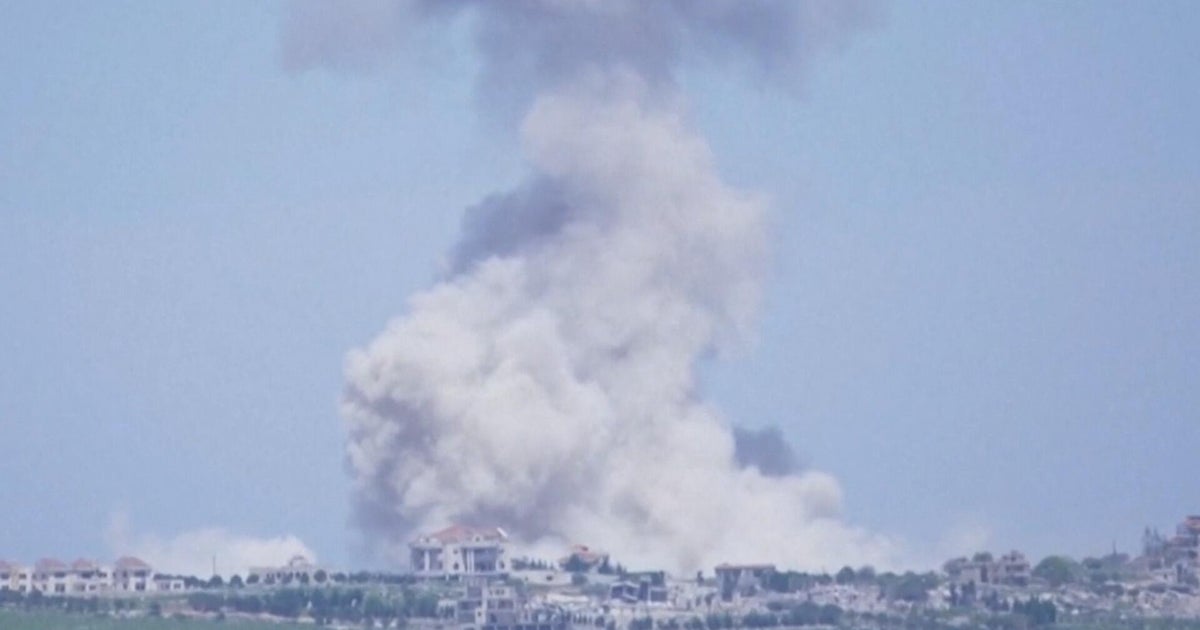
Recent reports indicate ongoing exchanges of fire between Israeli forces and Hezbollah in Lebanon. Details concerning the specific locations, duration, and intensity of these clashes are still emerging. While a broader ceasefire involving Iran has garnered attention, the situation along the Israel-Lebanon border remains tense, with persistent if limited conflicts.
This activity raises concerns about a potential escalation, although details currently available do not provide a complete picture of the events. The sporadic nature of the clashes suggests a volatile security environment where isolated incidents could trigger broader confrontations. Official statements from both Israeli and Hezbollah sources are anticipated to provide additional clarity on the situation's specifics and the factors contributing to the continuing tensions.
The reports suggest that the clashes have not completely halted, even amidst broader regional efforts towards de-escalation. This continuing activity underscores the complexities of the region and the numerous actors involved, each with their own interests and motivations. It's unclear whether these exchanges are isolated incidents or part of a broader pattern, as the precise details of the conflict continue to be determined.
Details are still emerging about the specific nature and intensity of the recent exchanges of fire.
Why It Matters
The clashes, even if seemingly isolated, carry significant implications for regional stability. The Israel-Lebanon border has historically been a flashpoint, and renewed hostilities could quickly escalate, drawing in other regional and international actors. The United States has a vested interest in preventing any major conflagration that could destabilize the Middle East further. Any escalation can provoke heightened security concerns for our allies, potentially increasing the demand to use defensive assets.
These incidents may impact ongoing diplomatic efforts aimed at de-escalating broader regional tensions. The perception that the situation might not be completely stable could undermine confidence in the ongoing negotiations. It highlights the deep-rooted challenges in achieving sustainable peace and security in the Middle East. Monitoring this conflict is essential because it can lead to further challenges that create volatility and concern.
What Comes Next
The immediate focus will be on monitoring the situation and preventing any further escalation. Diplomatic efforts are expected to continue, aimed at encouraging restraint and de-escalation on both sides. The involved parties may choose to amplify or de-amplify involvement, depending on their relative position. The international community, including the United States, may call for restraint and a return to calm through press releases, speeches or direct talks.
The long-term outlook depends on addressing the underlying issues that contribute to the ongoing tensions, whatever these issues might be. Understanding the current environment is key. This includes the roles of regional and international powers, and resolving outstanding disputes will also be critical. It remains unsure whether or not tensions will cool in the nearby future.
Explore More
Related topics on gab.ae: ai