What Happened
NPR's international team visited a Christian village in northern Syria alongside Abdallah Ibrahim, a former teacher. The region has endured significant damage and disruption due to the Syrian civil war, which has lasted for nearly a decade and a half. Much of the village lies in ruins, a stark reminder of the conflict's impact on civilian life.
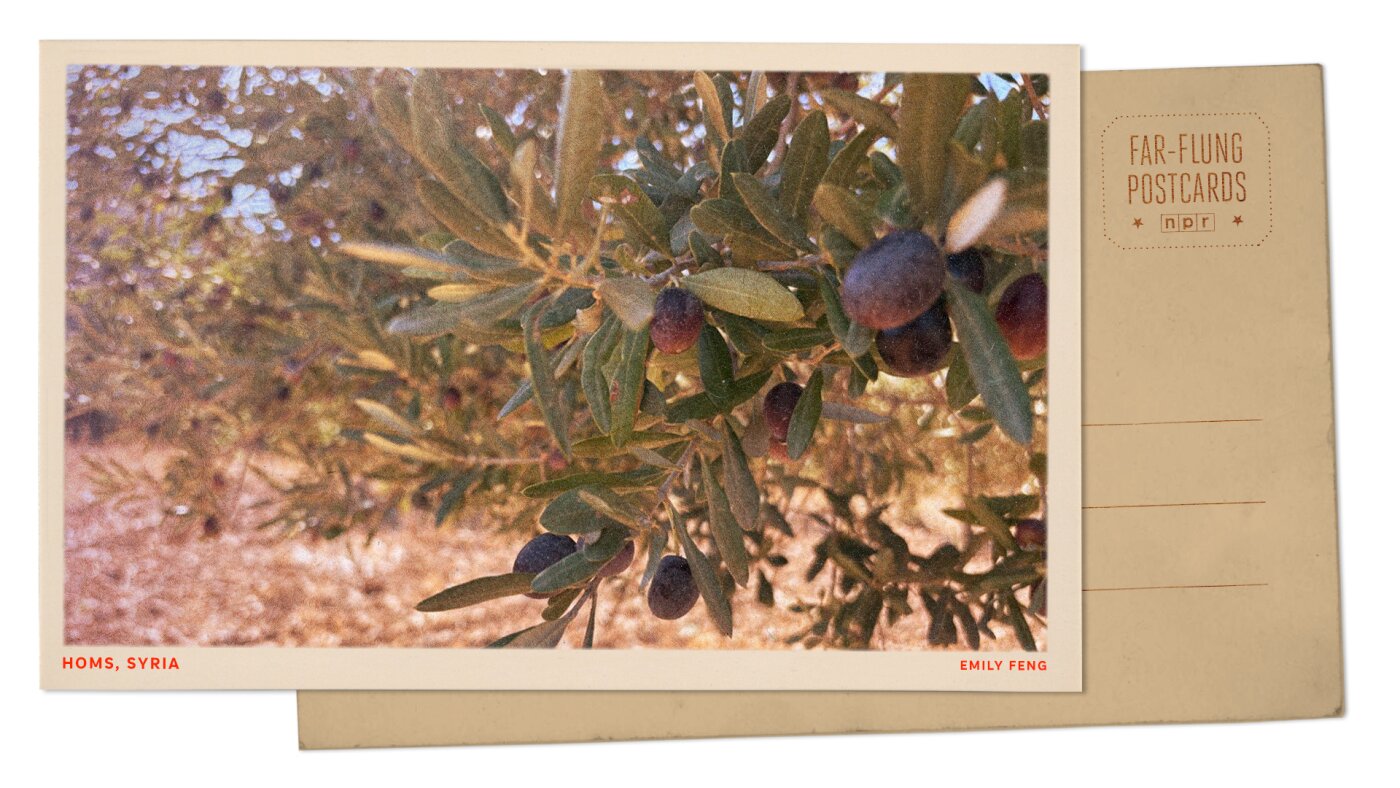
Ibrahim and his community face ongoing concerns regarding continued sectarian violence, fearing potential renewed conflict that may impact the Christian community. Despite these concerns, Ibrahim found some measure of peace in harvesting his family’s olive trees, a tradition not practiced since the onset of the war. He had planted many of these trees himself as a young man, creating a personal connection to the land and the harvest.
gathering handfuls of hard olives that would grace his family's table in the future: a taste of the home they had been missing for nearly 14 years.
Why It Matters
The olive harvest serves as a powerful symbol of resilience and hope for a community scarred by conflict. After years of displacement and hardship, the ability to return to traditional practices offers a sense of normalcy and continuity. While much rebuilding and healing remain, the olive harvest represents a small step toward restoring a sense of home and community. The act of harvesting the olives, planted long ago, signifies a tangible link to the past and a promise of a future where traditions can be revived.
The ongoing fears of sectarian violence underscore the fragility of peace in the region. Even as communities begin to rebuild, the threat of renewed conflict remains a constant concern. The story highlights the challenges faced by Christian communities in Syria and the need for continued efforts to promote reconciliation and protect vulnerable populations. The olive harvest, therefore, represents more than just an agricultural activity but the hope that the community can overcome these challenges and rebuild their lives in peace.
What Comes Next
The residents are now processing the harvested olives to provide oil for their families through the coming year. This simple act of providing sustains not only their bodies but also their spirits renewing hope for the future. While the needs of the village are significant, involving substantial rebuilding efforts and a focus on healing deep wounds, this story serves as a microcosm of the broader challenges facing Syria as it transitions from war to peace.
The international community continues to monitor the situation in Syria and support efforts to promote stability and reconciliation. The success of initiatives like the olive harvest depends on creating a safe and secure environment in which communities can rebuild their lives. Supporting sustainable agriculture and providing humanitarian aid are critical steps toward fostering long-term recovery. Further reporting is needed from the region to understand how the lives of the people in this region continue to develop; details are still emerging.