What Happened
Recent reports indicate that both Iranian Foreign Minister Abbas Araghchi and former U.S. President Donald Trump have declared the Strait of Hormuz to be "completely open." This announcement arrives at a time of considerable tension in the Middle East, particularly concerning maritime security and freedom of navigation through vital waterways. The Strait of Hormuz is a critical maritime choke point, linking major oil-producing nations to global markets. Any disruption to traffic through the strait can have significant implications for the world economy, particularly energy prices and trade flows.
The simultaneous declarations from these two sources raise questions regarding the context and reasoning behind their claims. Specifics surrounding the circumstances leading to these statements remain unclear, leaving room for speculation and analysis. Maritime traffic in the area has been unstable in the past, leading to uncertainty about safety. The Strait has previously been a flashpoint in regional disputes, with concerns over potential disruptions to the flow of oil and other goods. The impact of Trump's statement is blunted by him no longer being president.
Further investigation is needed to determine the accuracy of these claims and the possible impacts on maritime activities in the area, as well as the security implications for global trade. The global community is monitoring the situation, seeking clarification on what "completely open" implies for commercial shipping, naval operations, and regional stability. Independent verification of the statements remains vital to ensure the safety and security of navigation within the waterway.
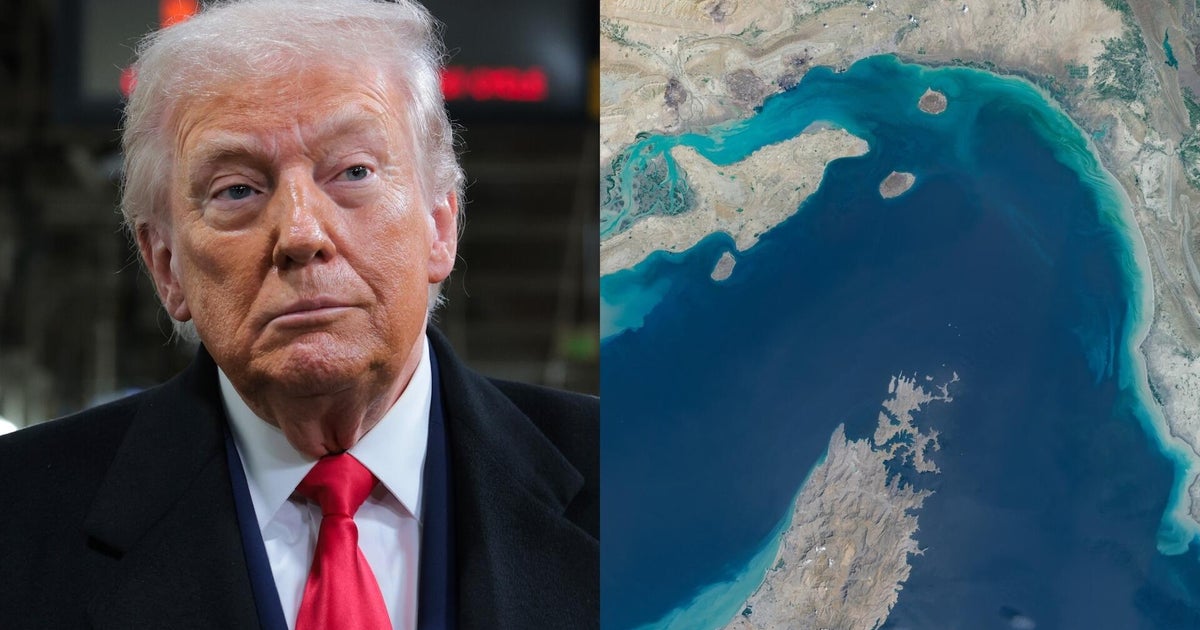
Iran's Foreign Minister Abbas Araghchi and former President Trump have both stated that the Strait of Hormuz is "completely open."
Why It Matters
The Strait of Hormuz is one of the world's most strategically important waterways. Its economic relevance stems from the considerable amount of oil that flows through it daily. Disruption of that flow could destabilize global oil markets. The repeated claims that it is completely open raise several questions. Given the tense relationship between the U.S. and Iran, a coordinated statement seems unlikely. The timing of these declarations and their intended audience are also crucial to consider. It is possible that these are independent statements based on distinct observations or information, though the identical phrasing is unusual.
Regardless of the source, affirming the strait's accessibility is vital for maintaining stable trade relations and reassuring the global market. However, it is equally important to assess whether there are any underlying issues that are not being addressed. Transparency in maritime operations and strong diplomatic channels are crucial to avoid misunderstandings or miscalculations that could lead to escalation. The fact that two significant figures—one a former president and the other a high-ranking Iranian official—have made similar statements increases the need for careful assessment and verification. Further reporting will likely reveal details of the current state within this vital waterway.
What Comes Next
The immediate next step involves verifying the accuracy of the claims through independent sources and monitoring maritime traffic in the Strait of Hormuz. International organizations and intelligence agencies will likely assess the situation to discern any possible threats or disruptions to navigation. Diplomatic efforts to maintain open communication channels between countries in the region will also be crucial in preventing misunderstandings or escalations. The United States, other major powers, and international bodies will likely seek further clarification from both Iran and any parties involved to ensure regional stability.
Long term, continuous monitoring of the Strait of Hormuz and the surrounding waters will be necessary to uphold the safety and security of maritime activities. The statements by Iranian Foreign Minister Araghchi and former President Trump might also prompt discussions on the regional security framework, potentially leading to renewed negotiations on maritime security protocols and confidence-building measures. Further developments depend heavily on geopolitical dynamics, the responses of local and international actors, and the extent to which the international community can foster cooperation and stability in the region. The situation in the Strait of Hormuz will continue to be a focal point of global interest, requiring vigilant attention to ensure peace and prosperity.