What Happened
For approximately seven weeks, Iran took actions that demonstrated a capacity to disrupt maritime traffic through the Strait of Hormuz, a narrow channel connecting the Persian Gulf to the Gulf of Oman and the Arabian Sea. This waterway is incredibly important because a significant percentage of the world's oil supply passes through it daily. Any disruptions in this area can have serious implications for global energy markets. The exact nature of Iran's actions are unclear, however the threat of disruption was definitely there.
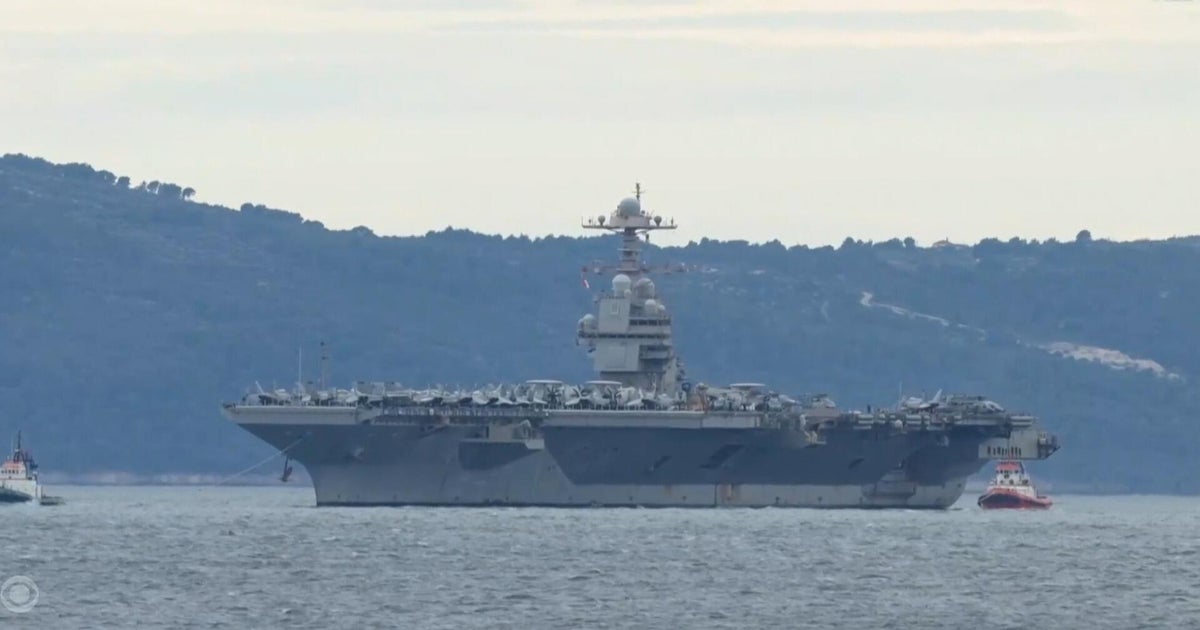
During this period, heightened naval presence and military exercises were reported in the region, leading to increased scrutiny from international observers and navies. The United States and its allies monitored the situation closely, concerned about potential threats to commercial shipping and freedom of navigation. The increased tensions also prompted discussions among global powers regarding the need for de-escalation and diplomatic solutions to address the underlying issues contributing to the instability.
The specific tactics employed by Iran haven't been fully defined, but the impact was felt through increased insurance premiums for ships transiting the strait and heightened security measures by shipping companies. This period of heightened alert underscored the strategic importance of the Strait of Hormuz and the potential for regional conflicts to have global ramifications. The situation demanded careful observation and strategic planning to mitigate risks to energy security and international trade.
For seven weeks, Iran effectively weaponized the Strait of Hormuz.
Why It Matters
The Strait of Hormuz is a critical chokepoint for the world's oil supply. Any disruption to traffic through the strait can lead to a surge in oil prices, impacting economies worldwide and potentially fueling inflation. The United States, as a major consumer of oil, is particularly sensitive to events in the region, and has a vested interest in ensuring the free flow of commerce. The situation also highlights the interconnectedness of global energy markets and the impact of geopolitical tensions on economic stability.
Beyond the economic considerations, the situation in the Strait of Hormuz also raises important security concerns. Escalation of tensions could lead to military confrontations, drawing in regional and international actors. The potential for miscalculation or unintended consequences is high, making it essential for all parties to exercise restraint and pursue diplomatic solutions. Maintaining stability in the region is vital for preventing a broader conflict and protecting U.S. interests.
What Comes Next
The future of the Strait of Hormuz remains uncertain, dependent on diplomatic efforts and the actions of regional players. Negotiations between Iran and other countries could help de-escalate tensions and establish guidelines for maritime security. However, mistrust and conflicting interests pose challenges to achieving lasting stability. Continued monitoring and engagement by international actors, including the United States, will be crucial. Diplomatic routes need to be established and considered in order to create a peaceful resolution for all partners.
Looking ahead, it is also likely that alternative routes and strategies for oil transportation will be explored to reduce reliance on the Strait of Hormuz. This could involve developing pipelines, increasing oil production in other regions, and diversifying energy sources. However, these options involve significant investments and time, so the Strait of Hormuz will likely remain a key strategic waterway for the foreseeable future. The ongoing dynamics require close attention and proactive measures to safeguard vital interests.