What Happened
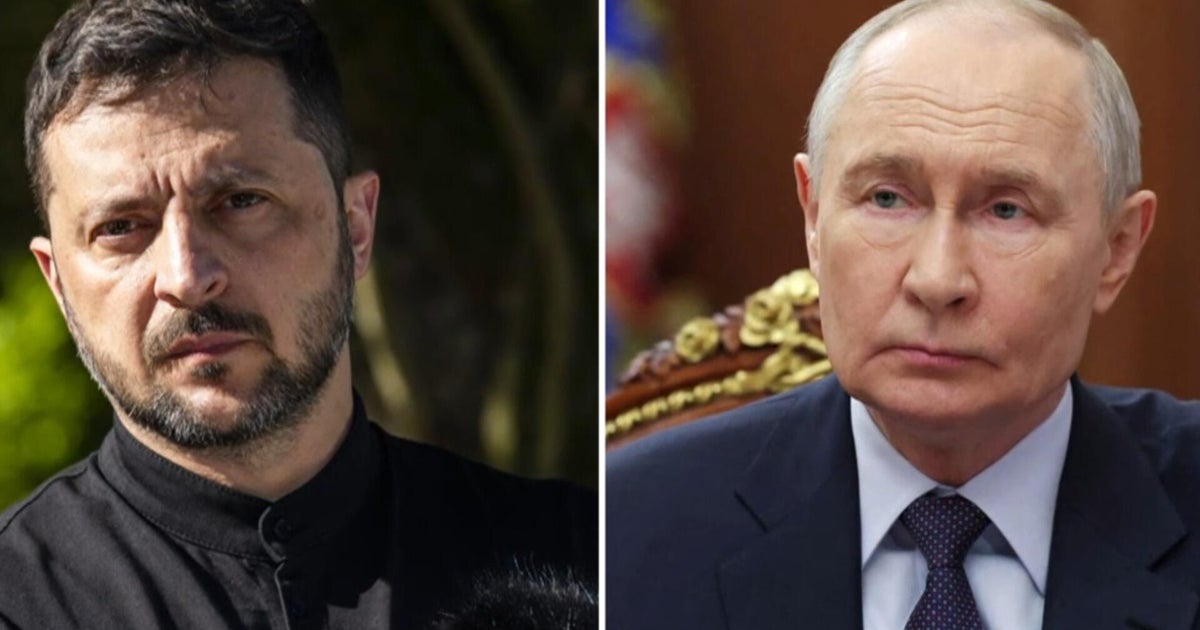
Leading up to Victory Day, a holiday celebrated on May 9th in Russia commemorating the Soviet Union's victory over Nazi Germany in World War II, there were suggestions of a potential ceasefire between Russia and Ukraine. The possibility of a temporary cessation of hostilities raised hopes for some respite in the ongoing conflict that has gripped the region. However, these hopes appear to have been dashed as both countries have now leveled accusations against each other, alleging violations of the very ceasefires that were proposed.
The exact nature and extent of these alleged violations are currently unclear, and details are still emerging. Both sides are presenting conflicting accounts of the events, making it difficult to ascertain the true sequence of events or the responsible parties. The accusations themselves, however, are significant as they highlight the deep distrust and animosity that persists between Russia and Ukraine, hindering any potential progress towards a peaceful resolution of the conflict. The mutual blame game further complicates the already precarious situation on the ground.
According to reports, the accusations are targeting actions over the last few days, in the lead-up to the Victory Day celebrations. It is typical for combat operations to increase or decrease around symbolic celebrations. However, official actions are still being deliberated, and the accuracy of the claims will likely only be determined over a longer review period. The back and forth accusations are leading analysts to believe there is unlikely to be any progress in peace negotiations in the immediate future.
Details are still emerging regarding the specific instances and severity of the alleged ceasefire breaches, and both sides remain entrenched in their positions.
Why It Matters
The breakdown of even suggested ceasefires and the subsequent accusations of violations underscore the profound challenges in achieving any lasting peace in the region. The inability of the warring parties to adhere to even temporary agreements highlights the lack of trust and the deep-seated grievances that fuel the conflict. This situation has significant implications for the civilian population, who continue to bear the brunt of the hostilities. The accusations of ceasefire violations will likely continue to increase polarization between the two countries.
Broader geopolitical implications are also at play. The conflict between Russia and Ukraine has drawn international attention and involvement, with various countries and organizations attempting to mediate and broker peace. However, the continued fighting and the mutual accusations of ceasefire violations hamper these efforts and further complicate the diplomatic landscape. The impact on international relations will continue to be significant, as countries evaluate their strategic positions within the emerging world order.
What Comes Next
Given the current climate of mistrust and mutual accusations, prospects for de-escalation appear grim in the short term. Diplomatic efforts are likely to continue, but their effectiveness will depend on the willingness of both Russia and Ukraine to engage in good-faith negotiations. Without a genuine commitment to dialogue and compromise, the cycle of violence and accusations is likely to persist, perpetuating the suffering of the civilian population and undermining regional stability.
The international community will likely continue to monitor the situation closely and exert pressure on both sides to de-escalate tensions and resume negotiations. However, the outcome of these efforts remains uncertain, and the conflict could potentially escalate further if diplomatic avenues are exhausted. The coming days and weeks will be crucial in determining the trajectory of the conflict and the prospect for a peaceful resolution. In the meantime, the human cost of the conflict continues to mount, with countless lives disrupted and communities devastated.
Explore More
Related topics on gab.ae: ai