What Happened
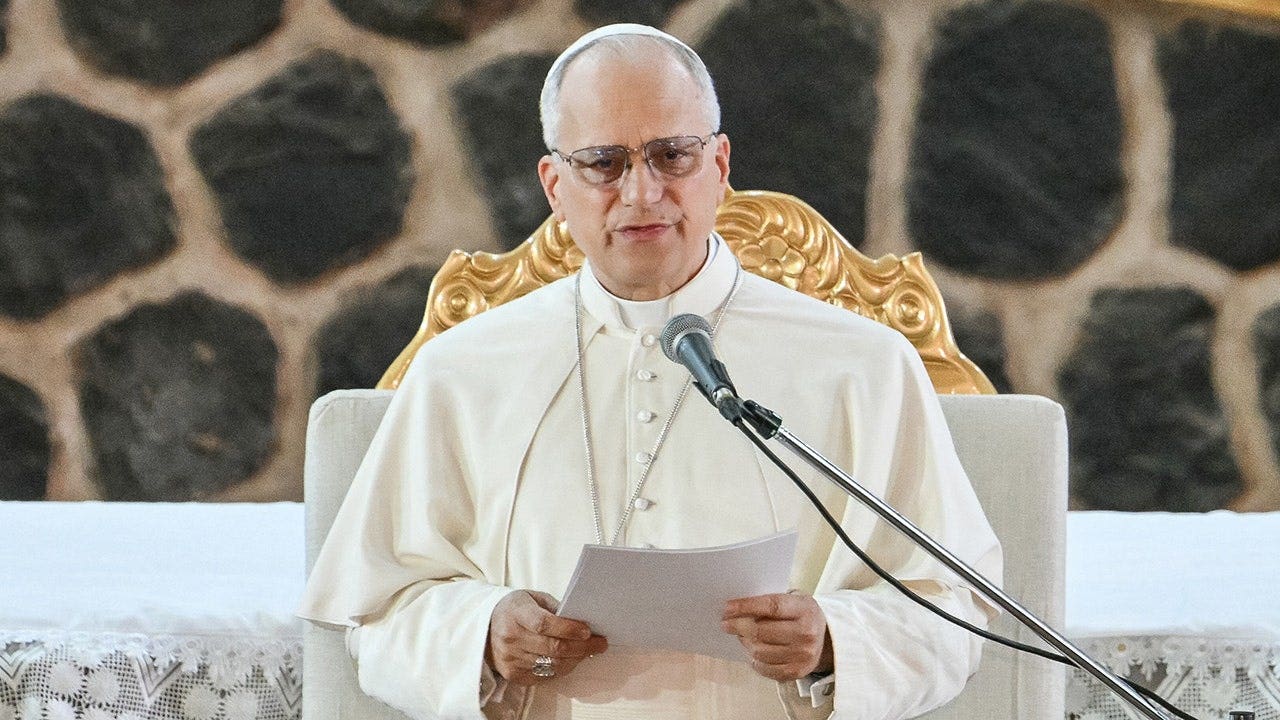
During his 11-day apostolic journey in Africa, Pope Leo XIV spoke to students at the Catholic University of Central Africa in Yaoundé, Cameroon, addressing the issue of migration. He encouraged them to resist the temptation to seek better prospects elsewhere and instead focus on contributing to the betterment of their own countries. The Pope acknowledged the understandable desire for improved opportunities but stressed the importance of serving one's community.
The Pope's message centered on applying the knowledge gained through education to benefit fellow citizens and tackle systemic problems at home. He specifically highlighted the need to combat corruption, emphasizing that this awareness should begin during the formative years of young people. He framed the rising generation as essential to creating a more just and equitable society within their African nations, and sees them as the 'witnesses to wisdom and justice'.
"In the face of the understandable tendency to migrate...I invite you, first and foremost, to respond with an ardent desire to serve your country."
Why It Matters
Pope Leo XIV's address comes at a time when displacement within Africa is increasing due to economic and political instability. Millions of Africans are living in other African countries, seeking refuge or improved living conditions. His call to action is particularly relevant in the context of these challenges, as he suggests that addressing the root causes of displacement within African nations is paramount. Pope Leo's remarks offer an alternative vision: one of building strong, self-sufficient nations.
The Pope's focus on education and spiritual formation highlights the importance of investing in the next generation. He believes that by empowering young people with knowledge and values, they can become effective agents of change within their communities. His emphasis on combating corruption speaks to the need for ethical leadership and good governance to create sustainable development and opportunities for all Africans. By framing education as a societal duty, he underscored that all citizens benefit from a well-educated populace.
What Comes Next
Following the Pope's address, it remains to be seen how African youth will respond to his call. The message clearly places responsibility on the rising generation to step up and address the challenges facing their respective countries. Whether the Pope's statements spur greater civic engagement and efforts to combat corruption remains to be seen. The impact of his words will likely play out over the coming years and will largely depend on the specific context of each African nation as well as their political and economic states.
The Pope's visit and pronouncements may spur further dialogue among African leaders, educators, and civil society organizations on how to best empower young people and create opportunities within the continent. It could also influence policy decisions aimed at promoting education, combating corruption, and fostering economic development. Further study will determine the long-term effects of the address, but it's undeniable that it will affect the continent and will be considered a pivotal moment for the African people.