What Happened
On Wednesday, Israel's military reported that two soldiers sustained moderate to light injuries in a Hezbollah drone and rocket attack targeting forces participating in the ongoing actions in southern Lebanon. The Israel Defense Forces (IDF) further stated that its Air Force intercepted a hostile aircraft before it could cross into Israeli territory, indicating a continued state of alert and defense readiness. These incidents highlight the fragile and volatile security situation prevailing in the region, challenging the already tenuous ceasefire agreements.
In response to these attacks, the IDF announced that it had launched new strikes targeting what it described as “Hezbollah terror infrastructure sites” located across various areas in southern Lebanon. These retaliatory strikes underscore the cycle of escalation between the two entities, with each side claiming to act in self-defense. Hezbollah, in a statement released on social media, confirmed its attacks on Israeli soldiers at two separate locations in southern Lebanon, asserting that these actions were taken “in defense of Lebanon and its people.”
Israel and Hezbollah have continued exchanging regular fire since President Trump first announced the ceasefire in Lebanon, both always claiming to act in self defense and accusing the other of violating the truce.
Why It Matters
The ongoing fighting in Lebanon is proving to be a significant obstacle in Pakistan's efforts to mediate a diplomatic resolution to the war between the U.S. and Iran. Tehran has consistently maintained that any comprehensive peace agreement must include a cessation of Israel's conflict with Hezbollah in Lebanon, linking regional stability directly to the situation on the ground along the Israel-Lebanon border. Until the conflict between Israel and Hezbollah is addressed, broader peace negotiations appears unlikely to move forward.
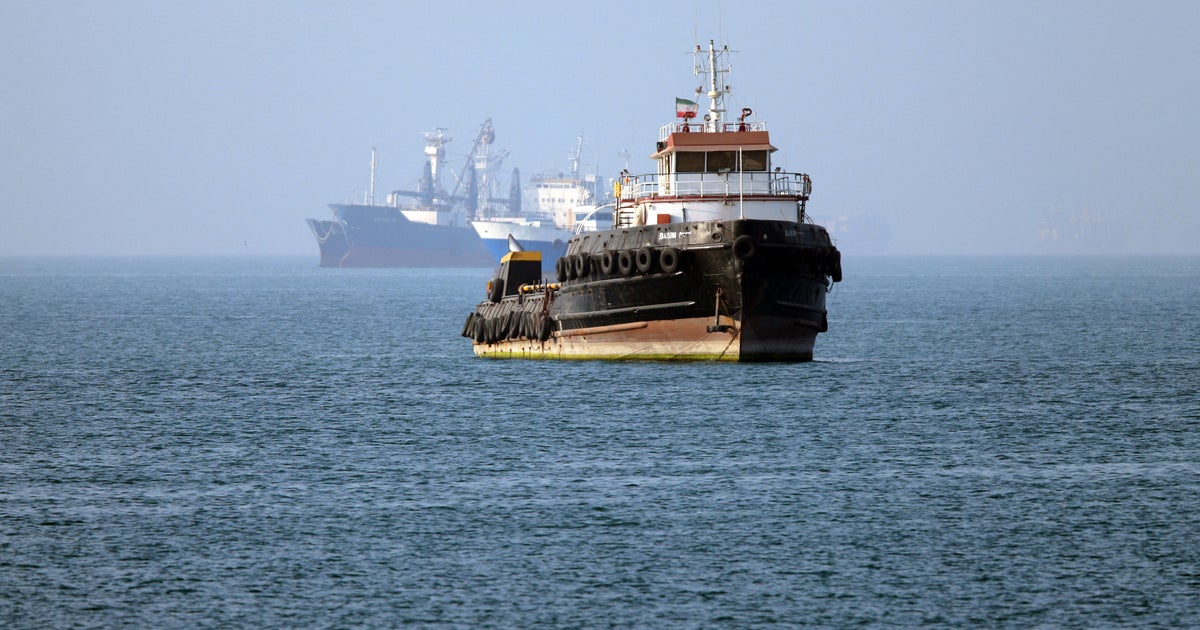
The situation in the Strait of Hormuz, a critical waterway for global energy supplies, is also evolving. Iranian state news agency IRNA reported that future traffic in the strait will be managed under a new system reflecting the altered security dynamics of the region. This new system will likely grant Iran and Oman a central role in overseeing maritime traffic, a move highlighting Iran's strategic interests and its desire to exert greater control over this vital shipping lane. The report suggests efforts by Iran and Oman to coordinate vessel movements and protocols, however the full implications of which remain unclear.
What Comes Next
The future governance and operational structure of the Strait of Hormuz remains a key point of contention. IRNA's report suggests that Iran seeks to link the long-term management of the waterway to regional dialogue, especially with neighboring coastal states. This approach emphasizes Iran's perspective that any lasting solution must consider the geopolitical realities and security concerns of the surrounding area. Continued negotiations between Iran and Oman will be crucial in determining the specific mechanisms and protocols that will govern maritime traffic in the strait.
The trajectory of peace talks between the U.S. and Iran hinges on the successful de-escalation of tensions along the Israel-Lebanon border. If the ceasefire continues to erode and the fighting intensifies, prospects for a broader peace deal will diminish further. The willingness of all parties, including Israel and Hezbollah, to engage in meaningful dialogue and exercise restraint will be essential in creating an environment conducive to diplomatic progress. President Trump's administration is likely to face growing pressure to resolve the conflict in Lebanon to enable progress on the U.S.-Iran front.
Explore More
Related topics on gab.ae: ai