What Happened
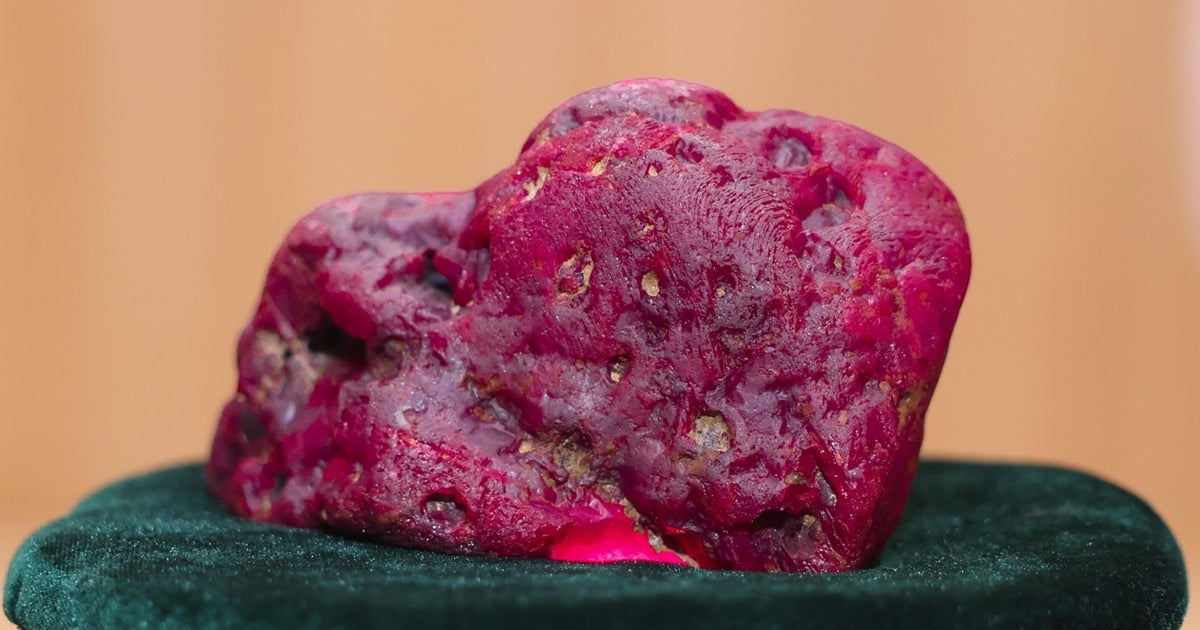
Miners in Myanmar have unearthed an enormous ruby weighing 11,000 carats, equivalent to 4.8 pounds. The discovery was made near the town of Mogok in the Mandalay region, a major hub for gem mining within the country. According to state media reports, the unearthing took place in mid-April, immediately following the traditional New Year celebrations. Details are still emerging as to the exact circumstances of the find. This discovery is significant due to the size and quality of the stone despite the backdrop of ongoing conflicts in the area which impact the region's gem-mining industry.
While slightly smaller than the record-holding 21,450-carat ruby found in 1996, this gem is expected to be considered more valuable because of its exceptional color and high quality. Specific characteristics include a purplish-red tone complemented by subtle yellowish undertones, which denote a premium color grade. In addition, it possesses moderate transparency and exhibits a highly reflective surface showcasing the quality of the material. The finding has already drawn attention from government officials and gem specialists who visited the capital Naypyitaw to examine and assess the massive stone.
The new discovery is considered more valuable due to its superior color and quality. It is described as having a purplish-red hue with yellowish undertones.
Why It Matters
Myanmar is the world's leading source of rubies, contributing approximately 90% of the global supply, predominantly from regions like Mogok and Mong Hsu. The gemstone trade, while lucrative, has complex links with the country's internal conflicts. The revenue generated from both legal and illicit gemstone trading serves as a crucial financial source for Myanmar. However, the industry's profits have historically benefited military governments and ethnic armed groups, furthering internal armed conflicts within the region. Gemstone sales often provide funding for groups fighting for autonomy.
Human rights activists and organizations have continuously urged jewelers worldwide to cease sourcing gems from Myanmar. These groups argue that the gem industry sustains military regimes and fuels ongoing conflicts. The newly installed civilian government, although purportedly civilian, has faced criticism, being described as a 'sham' by human rights and opposition factions. Given the circumstances and continued instability in Myanmar, this new ruby discovery has opened up discussion regarding ethics and responsibility in global gemstone sourcing.
What Comes Next
Due to the complexity of the situation in Myanmar, the path that this rare ruby will take is uncertain and will depend on the political stabilization. The government's plans for the gemstone are presently unclear, whether it will be sold on international markets or made into a national treasure. Also due to increased fighting, security in mining regions continues to be a major concern. Mogok faced capture in July 2024 by the Ta'ang National Liberation Army (TNLA), highlighting the volatile environment for gem extraction. Although TNLA controlled the mines briefly, control was later reverted to Myanmar's army following a ceasefire.
As this huge ruby is assessed and processed, its sale or display could reignite debates about ethical sourcing and responsible consumerism within the global gem industry. Jewelers and buyers will have to consider how trading with Myanmar's gem industry will impact human rights and conflict dynamics inside the nation. The future trajectory of this exceptional ruby will act as an illustration of the continuous fight between economic prospects and moral considerations in resource-rich conflict disrupted environments around the world. How stakeholders navigate these issues will set precedents for future trade in commodities from such regions.