What Happened
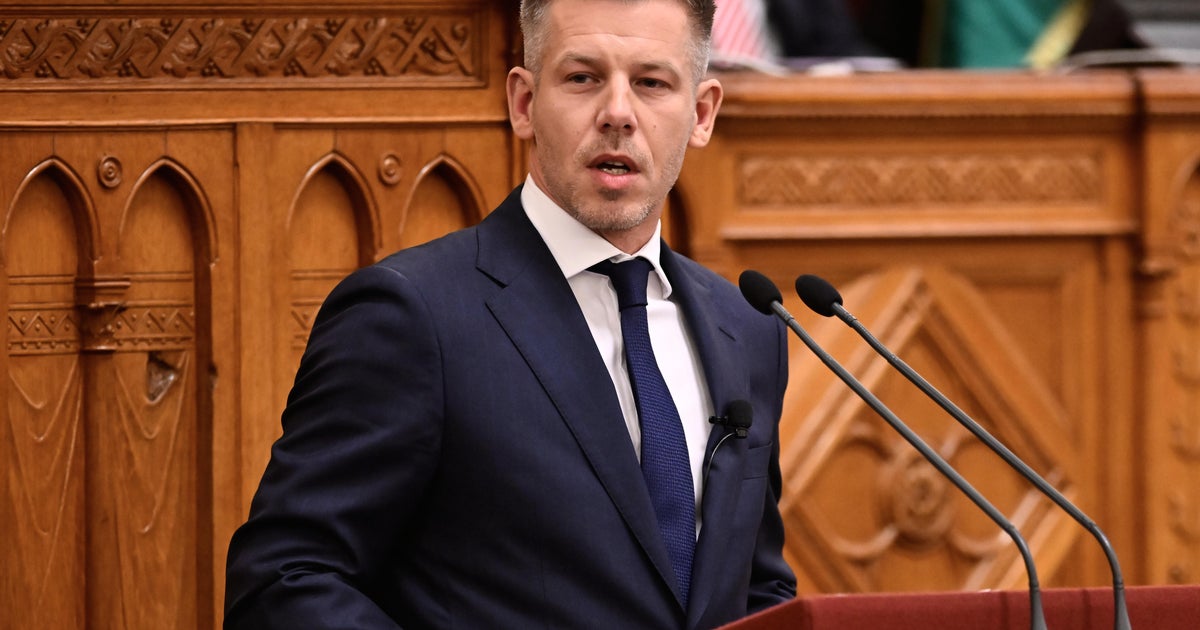
Péter Magyar officially became Hungary's prime minister on Saturday after taking his oath of office, marking the end of Viktor Orbán's 16-year tenure. Magyar's Tisza party secured a significant victory over Orbán's Fidesz party in recent elections, gaining a two-thirds majority in Parliament. This win allows Tisza to potentially alter many of Orbán's policies, specifically those viewed as far-right authoritarian actions.
In a speech following his swearing-in, Magyar addressed lawmakers, stating his intention to serve the country rather than simply rule. He acknowledged the millions of Hungarians who voted for change and expressed a sense of obligation to fulfill their aspirations, promising to lead with a firm commitment to addressing their concerns and rebuilding trust in government. This victory signals a potential seismic shift in Hungarian politics, a country that has been under international scrutiny due to Orbán's policies.
Magyar's background is noteworthy. Prior to founding Tisza in 2024, he was an insider within Orbán's Fidesz party. However, he resigned, citing widespread corruption under Orbán's leadership. While expressing strong support for European unity and a firm stance against Russian influence, he also holds conservative anti-immigration views, advocating for strong EU border protection and opposing the redistribution of asylum-seekers across Europe. His position on these issues remains a crucial element in understanding the policy direction his government is likely to take.
"I'm not standing here because I'm different from anyone else...I stand here because millions of Hungarians decided that they want change."
Why It Matters
The change in leadership signifies a potential shift in Hungary's domestic and foreign policies. Orbán's government, often aligned with the Trump administration, had drawn criticism for undermining democratic institutions. Magyar has pledged to restore governmental checks and balances, addressing the erosion of democratic norms during Orbán's time in office and promising to rebuild confidence in Hungary's core values.
Furthermore, Magyar's stance on alleged corruption within the previous administration sends a strong message. His commitment to establishing a National Asset Recovery and Protection Office demonstrates his intention to investigate and retrieve misused public funds. The change in leadership in Hungary could further impact the European Union, where Orbán frequently vetoed important decisions, particularly those related to aid for Ukraine. Magyar's pro-EU and anti-Russia stance could signal a change in Hungary's approach to EU foreign policy.
What Comes Next
Magyar plans to suspend the news services of Hungary's public broadcaster until objectivity can be restored. This is a significant step, as the broadcaster was widely perceived as a mouthpiece for Orbán's party, creating potential for reform. Whether this suspension will be viewed as biased or fair, it's clear Magyar wants accountability and a path to restoring trust in the public space.
Many Hungarians expect Magyar to hold Fidesz officials and their business allies accountable for perceived misconduct during Orbán's term. With Tisza controlling 141 seats in the 199-seat Parliament, the political landscape has been dramatically reshaped, giving Magyar's government a significant mandate for change, though challenges may still arise with other parties holding seats. The National Asset Recovery and Protection Office will have an extensive workload, and the public will be closely watching the office's actions in uncovering misuse of public funds.