What Happened
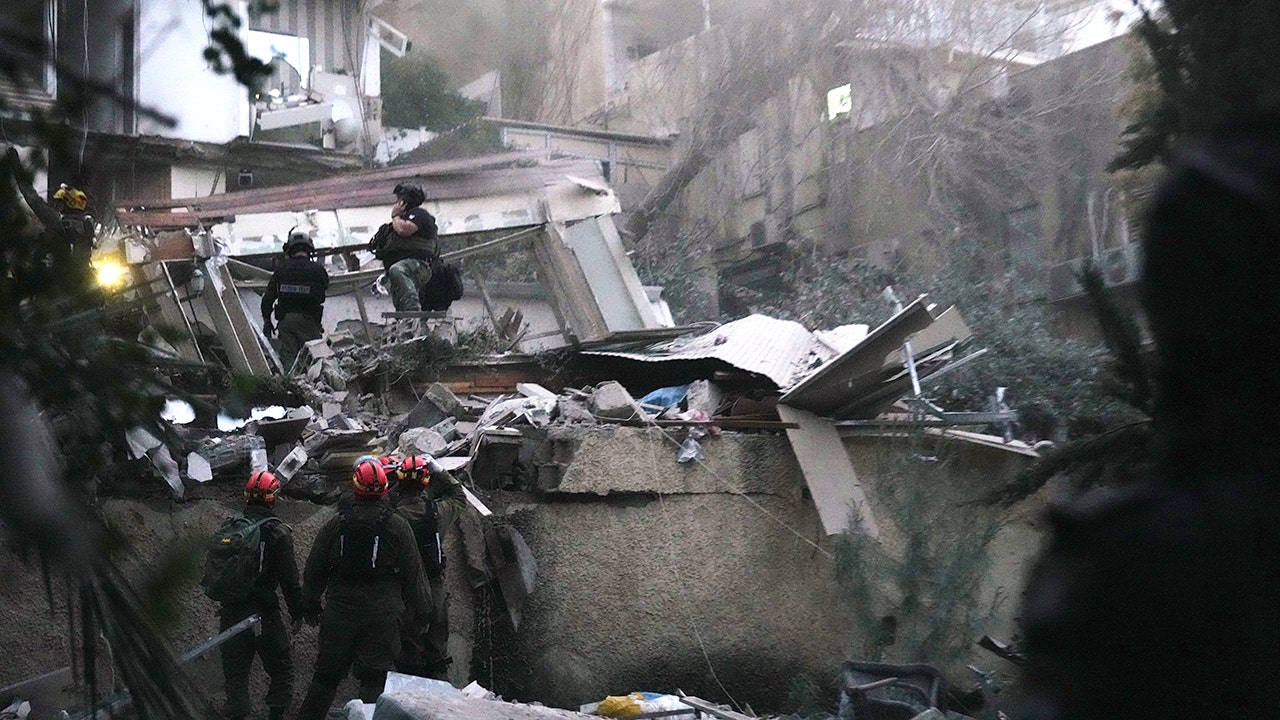
The writer describes the pervasive awareness of the limited time available to reach safety when sirens sound, a reality that profoundly impacts daily life. This awareness shapes decisions, routines, and priorities. The quick calculation of distance to shelter, the consideration of who is nearby, and the assessment of their ability to reach safety in time become instinctive responses to the threat. This sense of urgency permeates every aspect of existence.
The piece also highlights the agonizing choices people face when a siren sounds, such as prioritizing the safety of a mother with mobility issues, a terrified pet, or a young child. There is no time for deliberation; actions must be immediate and decisive. The physical response of gathering essential items and running for cover precedes the cognitive understanding of the danger, underscoring the primal nature of the survival instinct in such circumstances.
After an attack, there is a return to routine, an almost unsettling efficiency in resuming interrupted tasks. Answering messages, adjusting schedules, and reassuring others that 'everything is fine' become automatic responses. The writer notes a learned ability to laugh off dangerous situations, a coping mechanism developed to navigate the constant threat.
When the siren sounds, there is no pause for interpretation. The body moves before the mind catches up. You gather what you can and run.
Why It Matters
The article provides a glimpse into the psychological toll of living under constant threat of attack—a life punctuated by sirens and the need for immediate action, fundamentally altering daily life. It illustrates the hyper-vigilance and anxiety that become commonplace, as well as the profound choices individuals must make in moments of crisis. This is the reality for many people around the world.
Understanding this reality can foster greater empathy and awareness of the challenges faced by those living in conflict zones. It serves as a reminder of the human cost of war and the importance of seeking peaceful resolutions to international disputes. The story highlights the resilience and adaptability of individuals facing adversity, while emphasizing the enduring impact of trauma and the need for support systems in affected communities.
What Comes Next
The writer's personal account raises questions about the long-term effects of constant threat and disruption on mental health and community well-being. Further research and discussion are needed to understand the complex interplay between trauma, resilience, and coping mechanisms in these challenging environments. Continued efforts to provide support and resources to affected communities are essential.
The described experiences may also represent a troubling trend, as geopolitical tensions increase and new conflicts arise. Proactive measures to mitigate the impact of such conflicts on civilian populations should be explored. This could include improved early warning systems, better access to shelters, and comprehensive mental health support programs.