What Happened
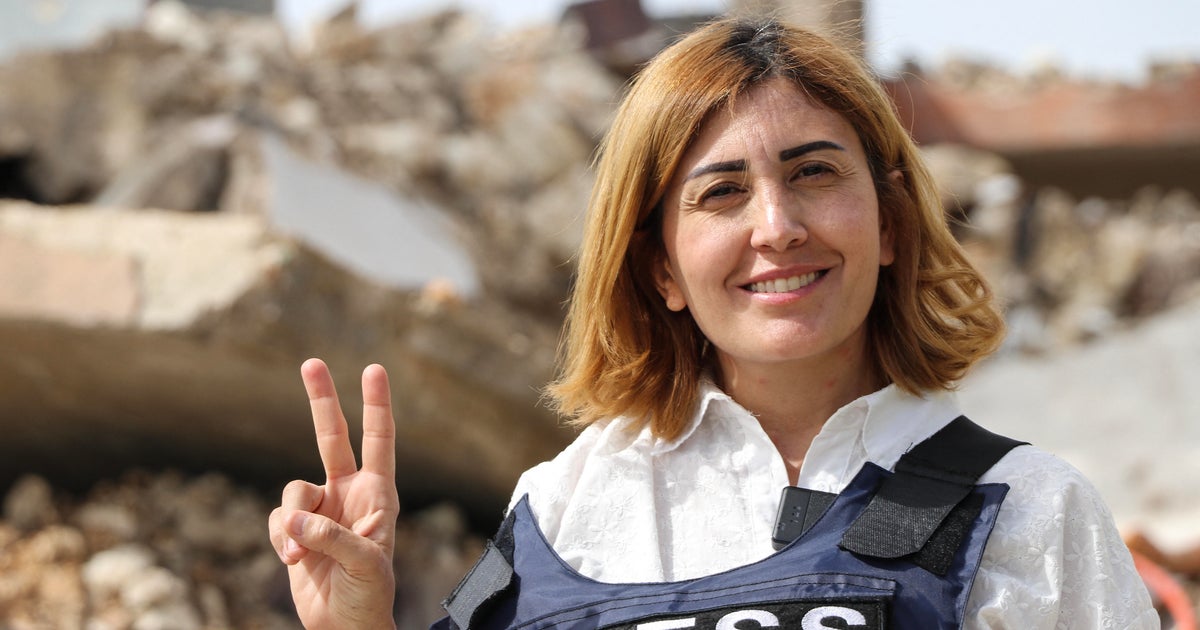
On Wednesday, Israeli drone strikes in southern Lebanon killed Amal Khalil, a 43-year-old journalist working for the Lebanese newspaper Al-Akhbar. The strike occurred near the town of Al-Tayri, where Khalil and photojournalist Zeinab Faraj were covering events. According to Lebanon's Union of Journalists, the drone first hit a car in front of the journalists’ vehicle, killing two civilians, before targeting the journalists’ car itself.
The Israel Defense Forces (IDF) stated they targeted two vehicles that they identified as leaving a Hezbollah military structure and approaching Israeli troops in a threatening manner. The union claims the IDF then struck a nearby building where Khalil and Faraj had taken shelter two hours later. Following the strike, ambulance crews attempted to rescue Khalil but were reportedly prevented from reaching her for nearly four hours due to Israeli gunfire.
The Lebanese Health Ministry added that when the Lebanese Red Cross ambulance arrived to transport the injured, Israeli forces fired a stun grenade and gunfire at the ambulance, impeding the rescue mission. The rescue teams managed to evacuate Faraj and recover the bodies of the two men killed in the initial strike, but Khalil succumbed to her injuries beneath the rubble.
Israel's targeting of media workers in the south while they carry out their professional duties is no longer isolated incidents, but … an established approach that we condemn and reject.
Why It Matters
Lebanese Prime Minister Nawaf Salam publicly condemned the strike, labeling it a war crime. He emphasized that targeting media workers while they perform their journalistic duties has become an established tactic by Israeli forces, a trend Lebanon vehemently opposes. Such attacks undermine press freedom and place journalists at extreme risk in conflict zones.
The incident raises serious concerns about the protection of journalists in war zones and the observance of international humanitarian laws. The Lebanese Health Ministry called the blocking of rescue teams and the targeting of a Red Cross ambulance a "blatant double violation" of international law, highlighting the humanitarian implications of obstructing medical aid during conflicts.
What Comes Next
The Israel Defense Forces maintain they do not target journalists and assert that they act to minimize harm to civilians and media personnel while ensuring troop safety. The conflicting accounts mean international organizations and watchdogs may call for independent investigations into the incident to determine accountability and adherence to international law.
The killing of Amal Khalil has drawn condemnation from media organizations and human rights advocates who will likely press for increased protections for journalists reporting in conflict areas. The situation remains volatile in southern Lebanon, and further incidents could escalate tensions and complicate diplomatic efforts to stabilize the region. Details are still emerging regarding potential diplomatic responses and investigations.