What Happened
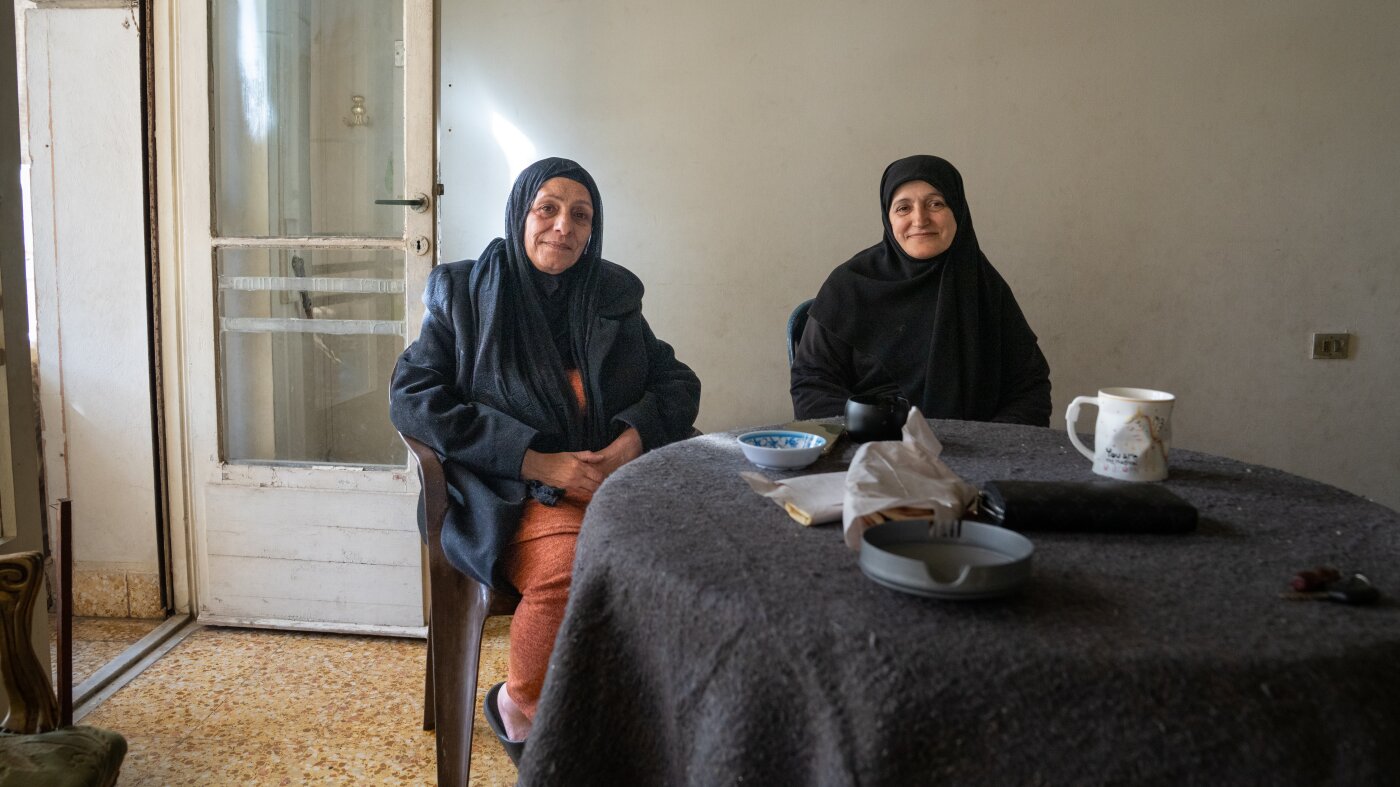
Mariam Allawiya, 60, and Kafa Wehbe, 67, found themselves displaced once again, seeking temporary shelter in a vacant building in Beirut. Both women originally hail from southern Lebanon, where they spent their early lives amidst olive groves. Their families intertwined further when Allawiya's son married Wehbe's daughter. Now grandmothers, they face a reality far removed from the peaceful old age they envisioned.
The recent Israeli invasion, triggered by rocket fire from Lebanese Hezbollah militants into Israel, forced them to flee their homes. Hezbollah claimed these actions were retaliation for attacks on their benefactor, Iran, and ongoing Israeli aggressions in Lebanon since November 2024, even after a ceasefire. This latest displacement adds to a history of instability and upheaval for Allawiya and Wehbe, who have witnessed firsthand the cyclical nature of conflict in their homeland.
"What can I say? It's all anxiety and war," Allawiya, 60, says.
Why It Matters
The experiences of Mariam and Kafa reflect the broader impact of the ongoing Middle East conflict on civilian populations. Their story highlights the human cost of geopolitical tensions and military actions, showcasing the displacement, disruption, and emotional toll experienced by countless individuals and families in the region. Their personal narrative provides a poignant context to the larger political events, reminding us of the individual lives affected by these conflicts.
The warnings issued by both Israel and Hezbollah against returning to southern Lebanon underscore the continued instability and danger in the region. Despite a fresh ceasefire, the situation remains precarious, leaving displaced individuals like Allawiya and Wehbe in a state of uncertainty. Their decision to remain in Beirut reflects a pragmatic assessment of the risks involved, highlighting the lack of confidence in the long-term security of their homes and villages.
What Comes Next
The immediate future remains uncertain for Mariam Allawiya and Kafa Wehbe. They, along with over a million other displaced Lebanese, are now faced with the daunting task of rebuilding their lives in the aftermath of the conflict. The availability of adequate housing, resources, and support services for the displaced population will be crucial in the coming months. The Lebanese government and international aid organizations face a significant challenge in addressing the humanitarian needs of those affected by the crisis.
The long-term prospects for stability in southern Lebanon depend on de-escalation, diplomatic efforts, and a genuine commitment to peace from all parties involved. Without a lasting resolution to the underlying issues, the cycle of conflict and displacement is likely to continue, perpetuating the suffering of communities like those where Mariam and Kafa grew up. The task of rebuilding trust and fostering reconciliation will be a long and arduous process, requiring sustained effort and political will.