What Happened
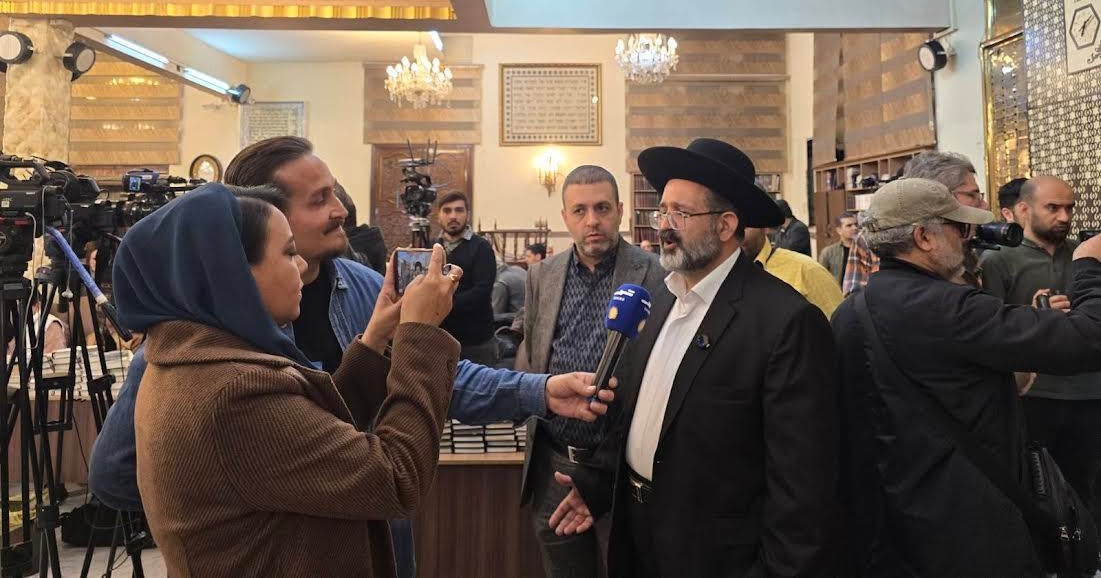
Iran's Jewish population, once exceeding 100,000 before the 1979 revolution, now numbers around 12,000—still among the Middle East's largest outside Israel. During the recent Iran-Israel conflict, CBS News gained rare access to Tehran's Jewish community, where members described facing workplace discrimination, unequal legal treatment, and travel bans to Israel.
Interviewees like 71-year-old shopkeeper Yacub acknowledged systemic barriers but expressed loyalty to Iran: 'I had very strong feelings toward my country, my birthplace and the roots of mine.' Younger professionals like healthcare worker Deborah, 37, reported alarming antisemitic undertones in state media's anti-Zionist propaganda.
I hear a nonstop narrative against Jews and Judaism in their propaganda songs and religious gatherings.
Why It Matters
The community's precarious position highlights tensions between Iran's constitutional protections for religious minorities and realities of life under an anti-Israel regime. Government officials insist Jews face no persecution, yet compensation laws and employment policies maintain disparities between Muslim and Jewish citizens.
With synagogues still operating but Jewish heritage sites decaying, many fear cultural erosion. The current conflict has amplified these anxieties, as wartime nationalism intensifies scrutiny of minority allegiances.
What Comes Next
Community leaders hope their public demonstrations of patriotism—including billboards supporting Iranian forces—will shield them from backlash. However, younger generations increasingly question their future amid rising emigration pressures and rhetoric conflating Judaism with Zionism.
International Jewish organizations monitor the situation closely, though details about government crackdowns remain unclear. Meanwhile, families like Deborah's wrestle with teaching children their heritage while navigating state-mandated school curriculums that omit Jewish contributions to Iranian history.