What Happened
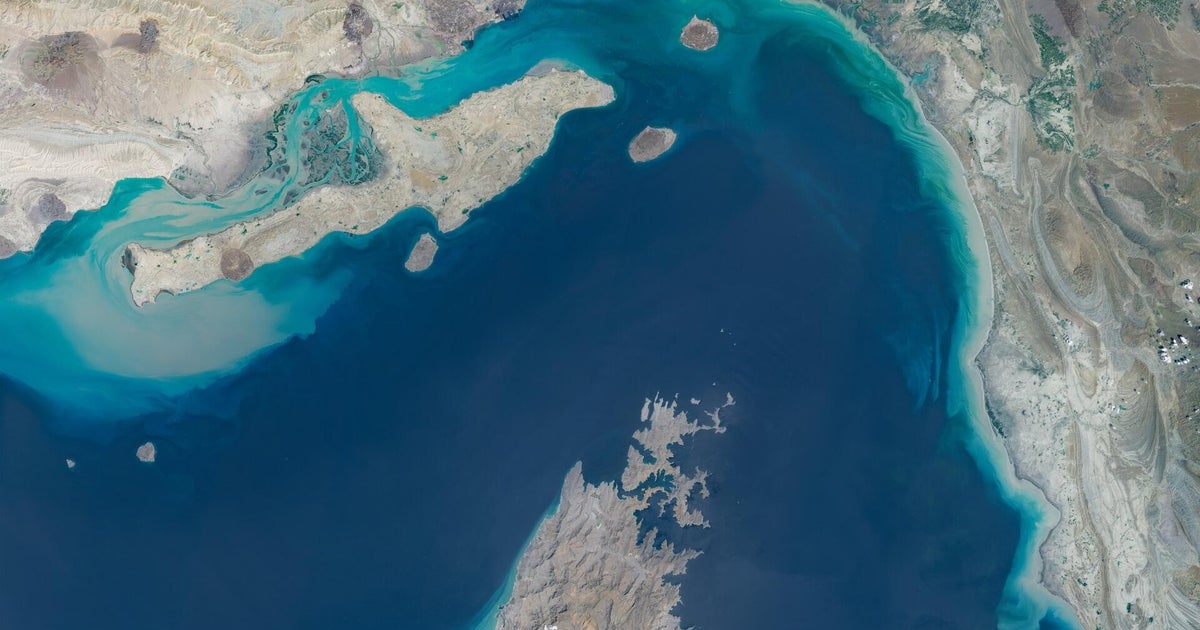
Reports indicate that Iranian forces are actively targeting ships navigating the Strait of Hormuz, a vital waterway for global oil transportation. These actions have triggered immediate concerns from international maritime organizations and governments, who fear further escalation of hostilities in the region. The specific nature of the attacks and the extent of the damage caused to the vessels are still under investigation, but the incidents underscore the volatile security situation in the area. The increased military activity raises the risk of miscalculation and potentially broader conflict involvement.
The news coincided with an announcement from the Trump administration regarding an extension of an existing ceasefire. However, the details surrounding the terms and duration of the extension remain scarce, leading to speculation about the underlying motivations. It isn't clear which specific conflict the ceasefire extension applies to, raising further questions about the objectives of Trump's plan and which parties are involved in the agreement. Experts suggest that this announcement comes as an opportunity to pursue more comprehensive diplomatic efforts with the goal of achieving long-term stability.
Eric Lob, an associate professor of politics and international relations at Florida International University, provided insights into the complex geopolitical dynamics at play. He cautions against simplistic interpretations of the situation, emphasizing the interconnectedness of various regional conflicts and the potential for unintended consequences. Lob's analysis highlights the critical need for nuanced understanding and carefully calibrated diplomatic strategies to navigate the challenges. Details regarding his specific analysis are unfortunately limited.
Tensions are mounting as questions linger about diplomacy to end the war.
Why It Matters
The Strait of Hormuz is a strategically vital waterway through which a significant percentage of the world's oil supply passes. Any disruption to maritime traffic in this area could have severe consequences for the global economy, leading to price spikes and potential energy shortages. The targeting of ships by Iran directly threatens freedom of navigation and undermines international trade. It also exacerbates existing tensions between Iran and other nations, potentially escalating the conflict.
The lack of clarity surrounding the ceasefire extension raises concerns about the transparency and effectiveness of US foreign policy in the region. Without clear communication and well-defined objectives, such announcements may be perceived as ambiguous and ultimately fail to achieve their intended purpose. A poorly defined ceasefire creates conditions for violations and further conflict. The situation can be improved through international dialogue and collaborative solutions.
What Comes Next
The immediate priority is to de-escalate the situation in the Strait of Hormuz and ensure the safety of maritime traffic. International efforts are likely underway to secure commitments from all parties to refrain from further acts of aggression and to uphold freedom of navigation. Diplomatic channels may be explored to address the underlying grievances and concerns that contribute to the tensions. More details regarding potential diplomatic efforts are currently unavailable.
The focus will be on clarifying the terms and objectives of the ceasefire extension and engaging in meaningful negotiations to achieve a lasting resolution to the war. This will require a comprehensive approach that addresses not only the immediate security concerns but also the political and economic factors that fuel the conflict. The path forward is uncertain, but continued dialogue and a commitment to peaceful solutions are essential to prevent further escalation and instability. Future plans regarding Trump's administration remain to be seen.