What Happened
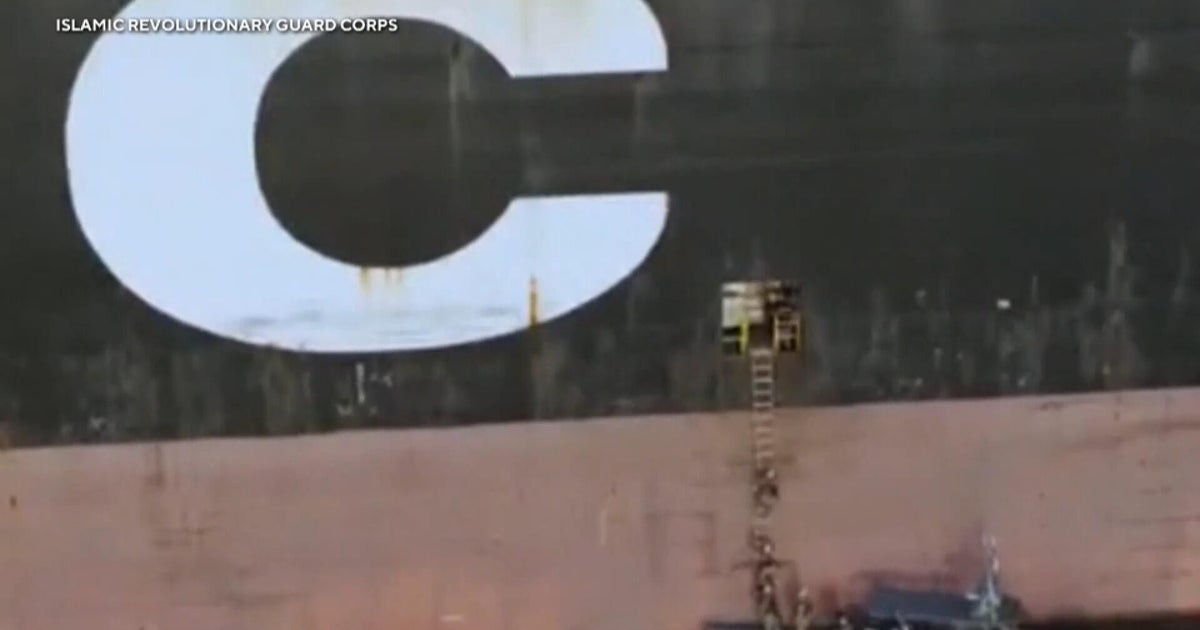
Iranian forces have allegedly seized two container ships in the Strait of Hormuz and released video appearing to confirm the operation. The video, circulated by Iranian state media, shows armed personnel boarding the vessels. While ship names and flags are visible in the video, CBS news has not independently verified the authenticity of the video or other details. The Strait of Hormuz is a strategic waterway connecting the Persian Gulf with the Gulf of Oman and the Arabian Sea, making it one of the world's most important chokepoints for oil transit.
The reported seizures come amid heightened tensions between Iran and the United States. Iran claims these actions are in direct response to the U.S. capture of two Iranian vessels earlier this week. However, information on these previously captured vessels is still emerging. Exact details concerning the nature and location of those U.S. captures remain unconfirmed. The tit-for-tat nature of these maritime incidents is raising concerns about a potential escalation in the region.
Initial reports indicate that crew members aboard the container ships were detained and the vessels rerouted to Iranian ports. The ships' origins, cargo, and intended destinations remain unclear at this time and are subject to further investigation. The safety and well-being of the crew members are paramount amid these developments, and international maritime organizations are closely monitoring the situation. The lack of detailed information has sparked a lot of speculation about the possible repercussions of those circumstances.
Iran claims it's retaliation for the U.S. capture of two vessels this week.
Why It Matters
The Strait of Hormuz is a vital artery for global oil supplies, and any disruption to shipping in the area can have significant economic consequences. The seizures of these container ships heighten concerns about maritime security and the potential for further escalation and impact the world economy. Increased military presence and assertive actions by both Iran and the U.S. raise the risk of miscalculation or accidental conflict, which could further destabilize the region.
These incidents contribute to an already complex geopolitical landscape. Negotiations surrounding Iran's nuclear program remain stalled, and tensions over regional influence continue to simmer. The seizures could be interpreted as a tactic to pressure the U.S. and other world powers to ease sanctions and return to the negotiating table. The U.S. response to these actions will likely be carefully calibrated to avoid further escalation while deterring future Iranian aggression.
What Comes Next
The United States is likely to increase its naval presence in the Strait of Hormuz and work with regional allies to enhance maritime security, though no official US statements have been made. Diplomatic efforts to de-escalate tensions will intensify, but the path forward remains uncertain. International organizations will likely condemn the seizures and call for the immediate release of the ships and their crews. However, all these are speculations at this point, and facts are still emerging.
The long-term implications of these events remain to be seen. The incidents could lead to a further deterioration in relations between Iran and the U.S., undermining efforts to resolve outstanding issues through diplomacy. Alternatively, they could serve as a catalyst for renewed negotiations, but only if both sides are willing to compromise. The situation is evolving rapidly, and the coming days and weeks will be crucial in determining the future course of events in the region.
Explore More
Related topics on gab.ae: ai