What Happened
Iranian officials have stated that they are willing to reopen the Strait of Hormuz, a critical waterway for global oil transit, under the condition that the United States ends its blockade on Iranian ports. This offer represents a potential pathway to de-escalate tensions in the region, which have been steadily rising in recent months. The Strait's importance to global commerce cannot be overstated, given that a significant percentage of the world's oil supply passes through it daily. Any disruption to this flow could have serious consequences for energy markets.
The announcement follows a period of heightened tensions between Iran and the US, stemming from renewed sanctions and accusations of Iranian interference in regional affairs. The US has maintained a strict stance on Iran's nuclear program and its support for various proxy groups, leading to a series of confrontational incidents in the Persian Gulf. Iran, in turn, has accused the US of economic warfare and has threatened to disrupt oil shipments through the Strait of Hormuz in response to sanctions. This recent offer demonstrates a potential shift in Iran's approach, perhaps seeking to alleviate economic pressure through negotiation.
Adding to the complexity of the situation, President Trump recently canceled a planned trip by US envoys Steve Witkoff and Jared Kushner to Pakistan for direct talks. While the reasons for the cancellation remain officially unspecified, it suggests potential complications in the broader diplomatic landscape. Pakistan has historically played a role as an intermediary in regional disputes, and the canceled trip raises questions about the US's current strategy for engaging with the region and resolving the ongoing tensions with Iran.
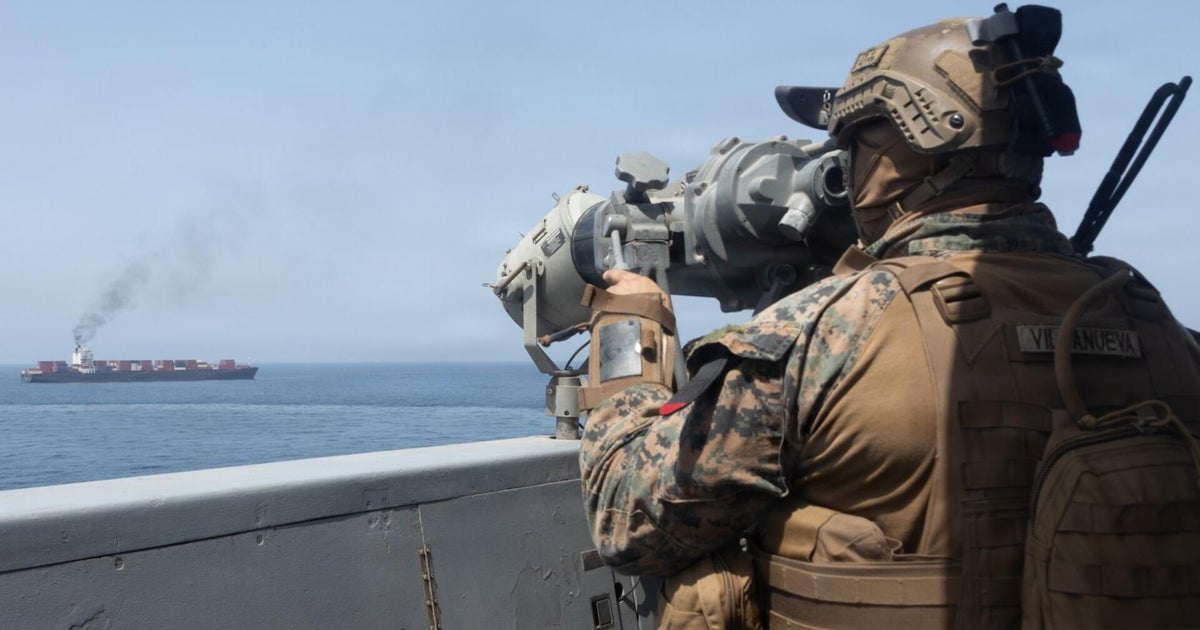
Iran has offered to reopen the Strait of Hormuz if the U.S. ends its blockade on Iranian ports.
Why It Matters
The Strait of Hormuz is one of the most important strategic chokepoints in the world. Its closure, even temporarily, would severely disrupt global oil supplies and send prices soaring. This could have a cascading impact on economies worldwide, including the United States, where higher energy costs would translate to increased inflation and reduced consumer spending. The potential for military confrontation in the area is also high, as any attempt to block the strait could trigger a response from the US Navy and its allies. The consequences of such a conflict would be far-reaching and could destabilize the entire Middle East.
Iran's offer to reopen the strait, if genuine, could represent a significant opportunity to avert a potential crisis. However, the US is likely to view the offer with skepticism, given Iran's past behavior and the ongoing distrust between the two countries. The US administration may demand verifiable guarantees that Iran will not attempt to disrupt shipping in the future before considering lifting the blockade on Iranian ports. The negotiation process would likely be complex and protracted, with both sides seeking to extract concessions from the other. The outcome will depend on the willingness of both countries to engage in good-faith diplomacy.
What Comes Next
The immediate future hinges on the response from the United States. If the Biden administration views the offer as a credible starting point, negotiations could begin, potentially involving intermediaries such as European countries or other regional players. However, if the US dismisses the offer as a ploy or a sign of weakness, tensions could escalate further. The US may continue to apply pressure on Iran through sanctions and military deployments, increasing the risk of miscalculation and unintended conflict.
Looking ahead, the long-term stability of the region depends on addressing the underlying issues that fuel the conflict between Iran and the US. This includes finding a diplomatic solution to the nuclear issue, resolving regional conflicts in which both countries are involved, and establishing a framework for peaceful coexistence. The path forward is fraught with challenges, but the alternative – a descent into open warfare – is unacceptable. Further diplomatic efforts will likely involve multiple nations and organizations striving for a long term solution in the region.
Explore More
Related topics on gab.ae: ai