What Happened
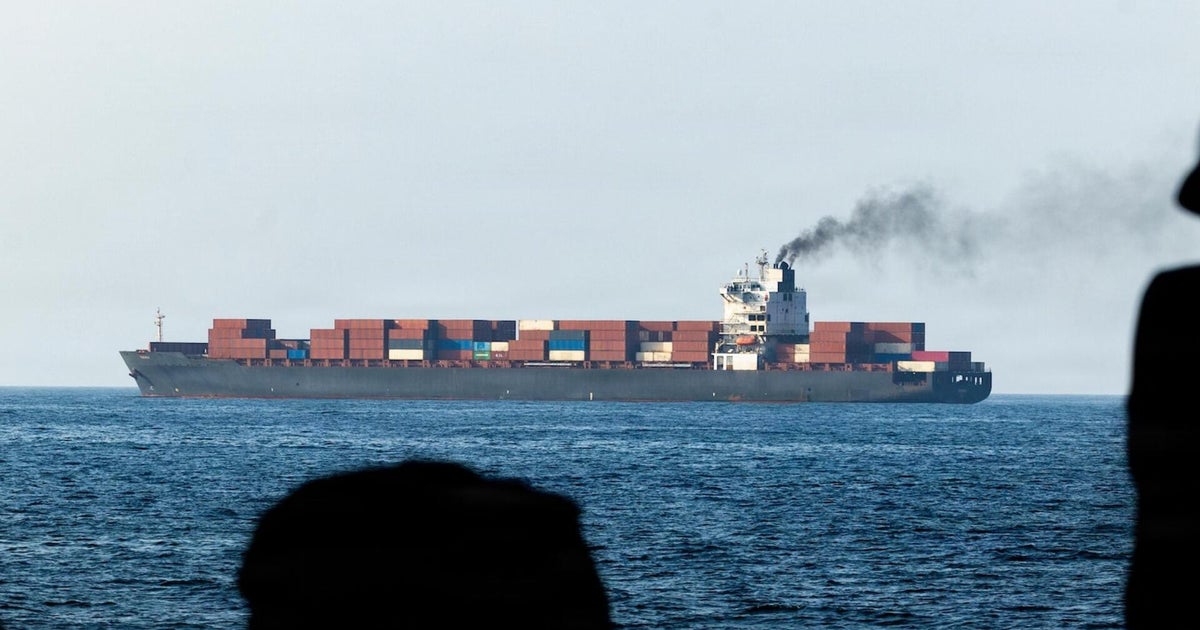
According to international news agencies, Iranian forces allegedly engaged at least three ships within the Strait of Hormuz. These incidents occurred despite President Trump’s announcement of an indefinite extension to a previously established ceasefire. Specific details regarding the types of vessels involved, the extent of damage inflicted, and the nature of Iranian armaments used in the alleged attacks are currently not available. Further investigations are underway to clarify the circumstances surrounding these events and determine the precise chain of actions that transpired in the Strait of Hormuz.
The timing of these reported attacks, occurring immediately after the announcement of a ceasefire extension, raises significant concerns about the adherence to and overall efficacy of the agreement. Sources indicate that the attacks might have involved naval patrols or coastal batteries. The attacks occurred in a tense geopolitical landscape, compounded by existing sanctions and long-standing tensions, and could have broader ramifications in regards to international security. The situation remains active as stakeholders seek to unravel all existing variables.
Robert Murrett, the deputy director for Syracuse University’s Institute for Security Policy and Law, has been contacted for professional input, but his official comments are still pending release. Further information is awaited to accurately understand the scope and motivation behind these alleged attacks. The nature of the relationship between Iran and the affected ships involved also determines liability in this particular situation. Any investigation will attempt to resolve all queries, as well as maintain accountability in future scenarios that may occur.
The Strait of Hormuz is a vital waterway, and any disruption to navigation could have significant global consequences.
Why It Matters
The Strait of Hormuz is a crucial strategic chokepoint for global oil supplies, connecting Middle Eastern producers to major consumer markets around the world. Any disruption to maritime traffic in this area can have significant implications for global energy prices and supply chains. The attacks, if confirmed, could escalate tensions in an already volatile region and undermine efforts to de-escalate conflicts. A lack of adherence to ceasefires and previous agreements can lead to further volatility. Ultimately, stakeholders must work to stabilize this sensitive area of the world.
These incidents also raise questions about the credibility of international agreements and the willingness of all parties to abide by them. The attacks could potentially lead to increased military presence in the region, as countries seek to protect their commercial shipping interests and ensure freedom of navigation. Further, such confrontations demonstrate a lack of clarity from all sides of the aisle; clear communication is key towards progress and stability in the area. Maritime and commercial law come into play, thus adding additional factors that must be settled.
What Comes Next
International bodies and individual governments are likely to call for an investigation into these events to establish the facts and determine accountability. The U.S. response remains to be seen, but could include diplomatic pressure, economic sanctions, or military actions. Increased security measures in the Strait of Hormuz are likely. All options remain on the table for involved stakeholders, and such discussions are taking place as the situation continues to unfold.
Efforts to de-escalate tensions through diplomatic channels will likely intensify, but the success of these efforts will depend on the willingness of all parties to engage in constructive dialogue and adhere to international norms. Increased transparency and communication between countries in the region are essential to prevent future incidents and maintain stability. The international community still hopes for peace, and further updates will be made periodically.