What Happened
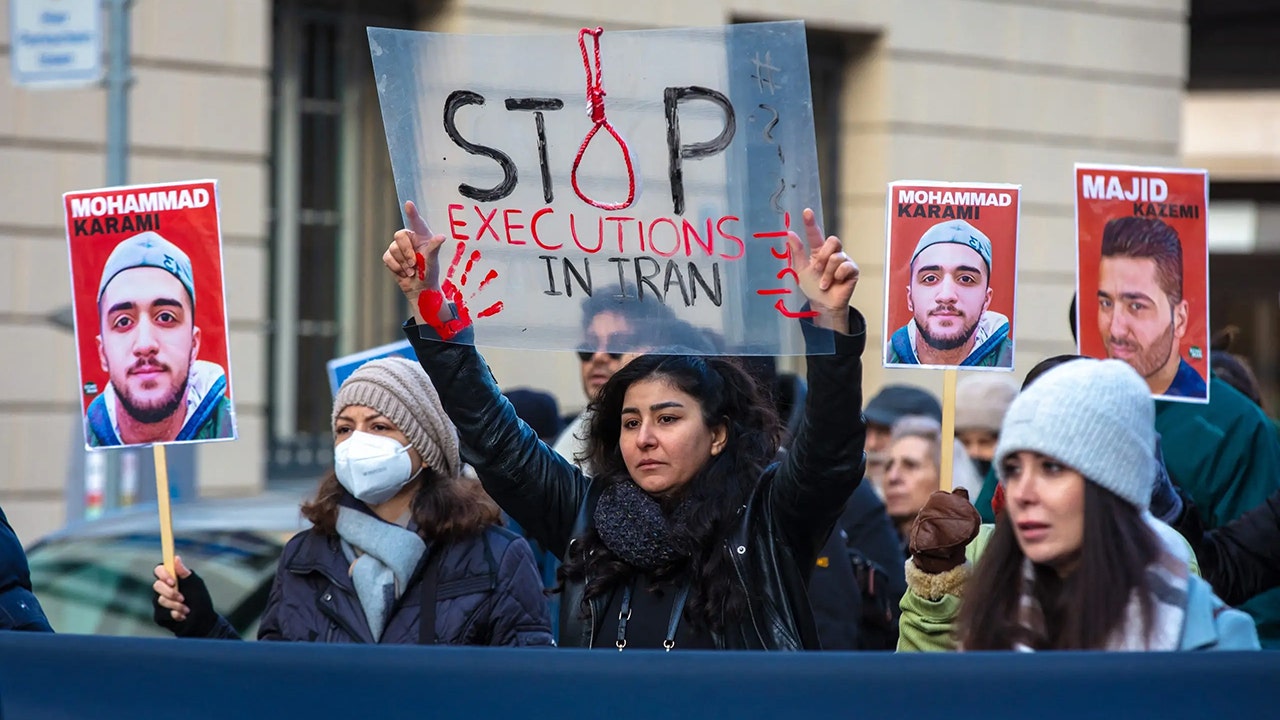
The United Nations High Commissioner for Human Rights, Volker Türk, has accused the Iranian regime of dramatically intensifying its crackdown on dissent following the February 2026 transition of power. According to Türk, Iran has carried out numerous executions, engaged in mass arrests, and deployed torture tactics, alongside implementing extensive internet shutdowns, all under the guise of national security. This comes as the regime faces increasing international scrutiny over what he terms a sweeping assault on fundamental human rights. The UN's statements highlight a deteriorating human rights situation within Iran.
Türk highlighted disturbing statistics originating from the U.N., revealing that at least 21 people have been executed and over 4,000 arrested on charges related to national security since February 28th. These actions coincide with increasing international attention on the regime's response to internal dissent. The government claims these actions are necessary to maintain stability and respond to threats, but critics argue they represent a systematic suppression of freedom of expression and assembly. Details are still emerging about the specific circumstances leading to these arrests and executions.
"I am appalled that, on top of the already severe impacts of the conflict, the rights of the Iranian people continue to be stripped from them by the authorities, in harsh and brutal ways."
Why It Matters
The intensification of the crackdown raises serious concerns about human rights violations in Iran. The U.N. reports indicate that these actions are disproportionately targeting ethnic and religious minorities, including groups like the Bahá’ís, Zoroastrians, Kurds, and Baluch Iranians. This suggests a deliberate effort to marginalize and suppress certain segments of the population. The use of vaguely defined national security laws allows authorities to bypass due process, deny legal representation, and rely on forced confessions as evidence, further undermining the fairness of legal proceedings.
For many Iranian dissidents, the UN findings merely confirm what they have long experienced. Banafsheh Zand, an Iranian-American journalist, characterized the situation as dire, stating that the current regime is "completely killing off the country." The suppression of dissent and the systematic erosion of rights are seen as part of a broader strategy to maintain control and silence opposition. The long-term effects of these actions could further destabilize the region and exacerbate existing tensions within Iranian society.
What Comes Next
Türk has called on Tehran to halt all executions, impose a moratorium on capital punishment, and immediately release those arbitrarily detained; however, it’s unclear whether Iran will heed the call. He emphasized that even when national security is invoked, any limitations on human rights must be strictly necessary and proportionate. International pressure on Iran is likely to increase, with calls for sanctions and other measures to hold the regime accountable for its actions.
The international community faces a challenge in addressing the human rights situation in Iran. Diplomatic efforts to persuade the regime to change course have so far been unsuccessful. The US and its allies may consider further sanctions or other punitive measures to increase pressure on Tehran. However, there are concerns that such measures could exacerbate the economic hardship faced by the Iranian people, potentially leading to further instability. The situation remains fluid, and the effectiveness of any intervention will depend on a variety of factors, including the internal dynamics within Iran and the broader geopolitical context.