What Happened
Iranian officials stated on Saturday that they have reimposed a closure on the Strait of Hormuz. They attributed this action directly to what they describe as an ongoing blockade of Iranian ports within the waterway by the United States. The specific details of this alleged blockade, including the type and extent of U.S. naval or maritime activity involved, however, remain unclear.
This announcement from Iran directly contradicts statements made by President Trump just a day prior. On Friday, Trump asserted that the Strait of Hormuz was 'completely open.' This divergence in viewpoints highlights the deep distrust and conflicting narratives surrounding maritime activities and security in the region. The competing claims further complicate an already tense geopolitical landscape.
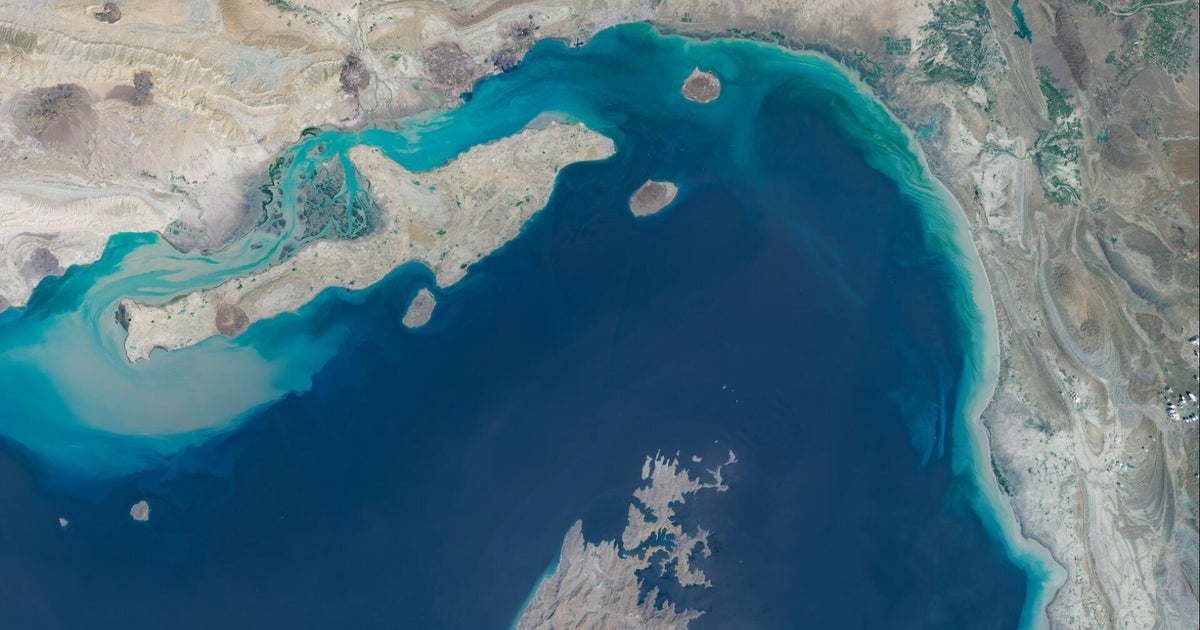
The Strait of Hormuz is a critical chokepoint for the global oil supply, connecting the Persian Gulf to the Gulf of Oman and the Arabian Sea. A significant percentage of the world's seaborne oil passes through this narrow waterway, making it strategically vital. Any disruption to traffic through the Strait can have far-reaching consequences for global energy markets and international trade.
Iran said on Saturday that it closed the Strait of Hormuz again amid the ongoing U.S. blockade of its ports in the waterway.
Why It Matters
The closure of the Strait of Hormuz, if confirmed and sustained, could severely impact global oil supplies. With a substantial portion of the world's oil transported through this chokepoint, any disruption in shipping lanes could lead to price increases and economic instability. The potential for disruptions has already led to increased volatility in oil market futures, as well as general concerns for global trading.
The conflicting statements from Iran and the United States further exacerbate an already strained relationship between the two countries. The Trump administration's withdrawal from the Iran nuclear deal and the reimposition of sanctions have significantly heightened tensions. The U.S. has maintained a strong naval presence in the Persian Gulf, citing the need to protect navigational freedom and deter Iranian aggression. This has caused tension for both sides.
The situation raises concerns about a potential escalation of conflict in the region. Miscalculations or misinterpretations of actions in the Strait of Hormuz could lead to military confrontations, with potentially devastating consequences. The international community is closely monitoring the situation and urging both sides to exercise restraint.
What Comes Next
It remains to be seen whether Iran will maintain the closure of the Strait of Hormuz and how the United States will respond. Diplomatic efforts to de-escalate tensions and find a resolution to the underlying issues are crucial. Further statements from both sides could signal either a hardening of positions or a willingness to engage in dialogue.
The international community, including key players such as the European Union, China, and Russia, will likely play a role in mediating the situation. These nations have a vested interest in maintaining stability in the Persian Gulf and ensuring the free flow of oil. Their diplomatic efforts could be critical in preventing further escalation and finding a peaceful resolution. Details are still emerging about what specifically is occurring at the Strait, and the US response.