What Happened
The current situation surrounding a potential agreement with Iran is fluid and marked by uncertainty. President Trump's pronouncements on the matter have vacillated between optimistic assessments and pessimistic outlooks, creating confusion about the direction of U.S. policy. This inconsistency has made it difficult to gauge the likelihood of a successful resolution to ongoing tensions.
Adding to the instability is the continued closure of the Strait of Hormuz, a vital waterway for global oil supplies. Its closure has significant economic and strategic implications, further complicating the already delicate geopolitical landscape. The strait's status is a crucial factor in assessing the potential for escalation or de-escalation of hostilities.
CBS News correspondents Charlie D’Agata, Ed O’Keefe, and Aaron MacLean are closely monitoring the situation and providing updates on the ground. Their reporting offers insights into the complexities of the situation and the various factors influencing the potential for a ceasefire or further conflict. However, details about any specific negotiation progress remain limited and speculative.
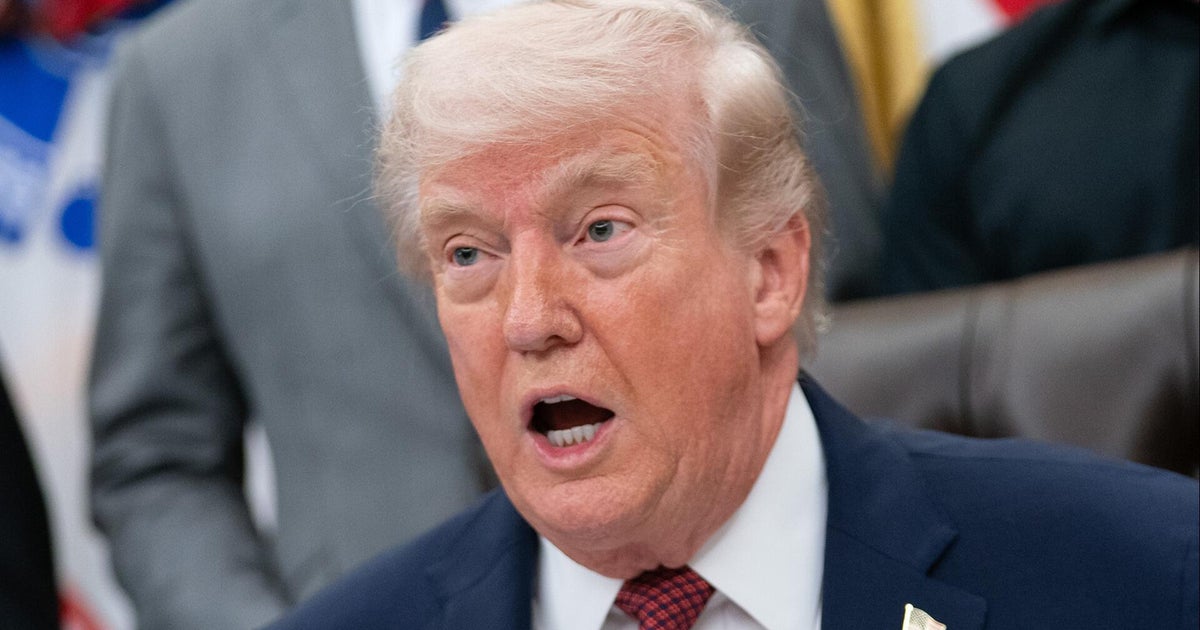
As President Trump toggles between optimism and pessimism on a deal with Iran, sometimes in the same hour, the Strait of Hormuz remains closed.
Why It Matters
The uncertainty surrounding a potential Iran deal carries significant implications for regional stability and global security. A failure to reach an agreement could lead to increased tensions and potentially escalate into a wider conflict. The Strait of Hormuz, as a key transit route for oil, is highly sensitive to any disruptions, which could impact global energy markets and economies.
Furthermore, the situation affects America's standing in the world. A clear and consistent approach to foreign policy is essential for maintaining credibility and influence. The shifting signals from the U.S. administration could undermine its ability to negotiate effectively and could also embolden adversaries. The outcome of these negotiations will shape the future relationship between the U.S. and Iran for years to come.
What Comes Next
The immediate future hinges on whether a clear and consistent negotiating position can be established. This requires a unified approach within the U.S. government and a willingness to engage in genuine dialogue. The next few days and weeks will be critical in determining whether a diplomatic solution can be achieved, averting further escalation.
Monitoring the Strait of Hormuz remains crucial. Any changes in its status could signal a shift in the dynamics of the conflict. International efforts to ensure freedom of navigation in the region are also essential to preventing any actions that could further destabilize the region. The international community is carefully watching to see if there will be de-escalation or dangerous escalation.