What Happened
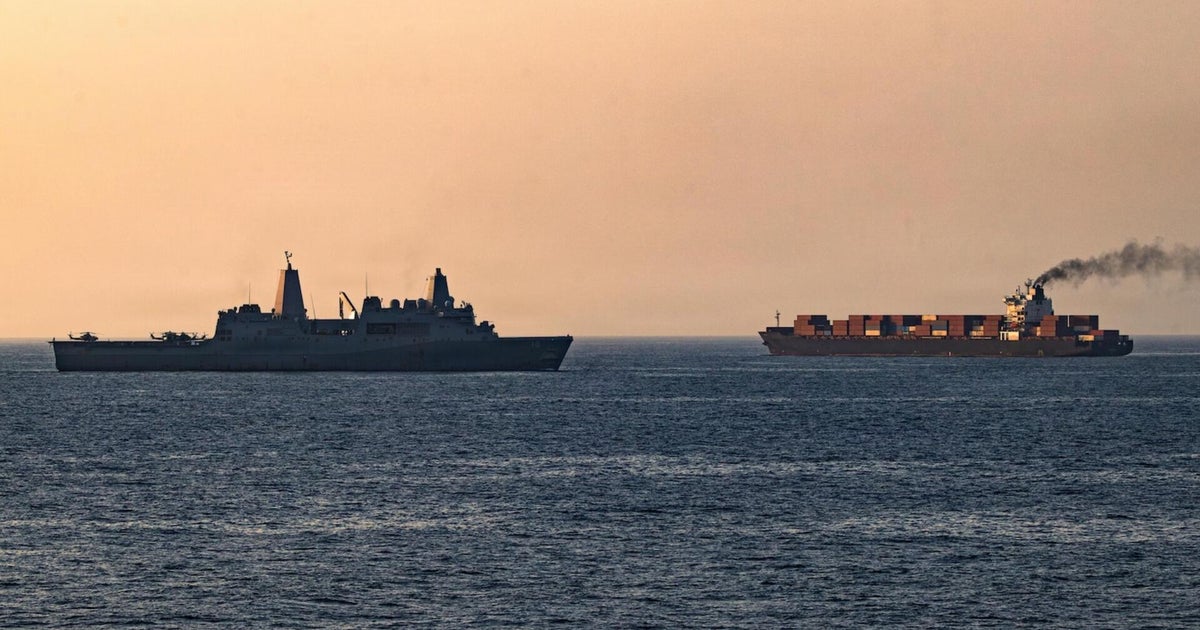
According to CBS News reports, Iranian forces allegedly fired upon ships navigating the Strait of Hormuz. The timing of this incident is particularly sensitive, occurring directly after the United States, under President Trump's administration, had extended a ceasefire agreement. The specific details surrounding the attacks, including the types of vessels targeted and the extent of the damage incurred, remain somewhat unclear as initial reports are still coming in. The Strait of Hormuz is a crucial waterway for global oil transport, so any disruption or instability in the region carries significant implications for international trade and energy markets.
The incident has prompted immediate concerns from various international bodies and governments. Security analysts are closely monitoring the situation to assess the potential for further escalation. Concerns are raised that this could trigger a broader conflict in the region, or at least cause a temporary setback for potential diplomatic solutions concerning Iranian activities. The response from the US government is also being keenly anticipated, as the Trump administration will need to decide how to react to what appears to be a direct challenge to the ceasefire that was recently extended.
Adding to the global concerns is the news element of wildfires spreading throughout the Southern United States as a consequence of an ongoing historic drought. The extreme drought conditions are turning vegetation into highly flammable tinder, which is resulting in uncontrollable and rapidly expanding wildfires. The scale of those fires is of significant concern, causing displacement of residents from their homes, damage to property, and posing significant risks to both human and animal life. The economic impact from those fires looks to be substantial as well.
Iran fired on ships in the Strait of Hormuz after President Trump extended the ceasefire.
Why It Matters
The Strait of Hormuz is a critical geographical choke point through which a substantial percentage of the world's oil supply passes. Repeated disruptions in this region could spike crude oil prices, with a ripple effect being felt by consumers worldwide resulting in an increased cost of living, coupled with an environment of increasing global inflation that adds weight to the problem even further. Furthermore, such escalations often serve as a catalyst for heightening geopolitical tensions, thereby potentially triggering a domino effect of retaliatory actions and counter-actions. This scenario could have far-reaching consequences extending beyond trade and economics, influencing diplomatic relations and potentially inciting regional instability.
Domestically, the concurrent wildfires in the South are not only devastating local communities but also highlighting and foreshadowing the growing effects of climate change. Prolonged drought conditions have created an environment with severely increased fire risks. Emergency response resources are stretched thin as multiple fires erupt simultaneously, straining response capabilities and the related resources. Communities already struggling with economic challenges will be further burdened by recovery efforts, placing additional demands on state and federal aid programs. This may create funding challenges on multiple levels of government.
What Comes Next
The international community will likely be focusing intently on de-escalation efforts in the Strait of Hormuz. Diplomatic channels will be explored to try and contain the situation and prevent a full-blown crisis. The United States' reaction will be pivotal. Any military response or further sanctions could further inflame tensions with Iran. Alternatively, efforts reinforcing the cease fire through renewed negotiations could provide an off-ramp to potentially resolving conflicts.
Regarding the Southern wildfires, resources are likely being deployed to assist with fire suppression and evacuation efforts. Long-term strategies to mitigate wildfire risks, such as controlled burns and better land management practices, may receive increased attention. Investment in drought-resistant infrastructure and water conservation measures may also be necessary to address the root causes of the escalating wildfire threat.