What Happened
CBS News recently broadcast a segment featuring an inside look at Castel Gandolfo, the Pope's traditional summer residence. This estate has served as a place of respite and reflection for Popes for generations. The report aimed to show viewers the beauty and historical significance of the grounds, offering a rare glimpse into an area typically closed off to the public. Norah O'Donnell led the tour, highlighting key aspects of the residence and its surrounding gardens.
The CBS report showcased not just the living quarters but also the extensive gardens and agricultural areas that are part of the Castel Gandolfo estate. These grounds are used for both aesthetic enjoyment and practical purposes, contributing to the self-sufficiency of the residence. The broadcast emphasized the importance of Castel Gandolfo to the Pope, offering a place to step away from the demands and pressures of his position in Rome. This visit comes one year into Pope Leo's pontificate, making it a notable benchmark.
While details surrounding Pope Leo's personal use of the residence specifically over the past year remain limited, the CBS News report offered a broader historical context and demonstrated the ongoing upkeep of the property. The segment portrayed Castel Gandolfo as an invaluable haven, highlighting its serenity and its historical ties to the papacy. The report didn't detail any specific renovations or changes undertaken recently at the residence, but emphasized its historical preservation.
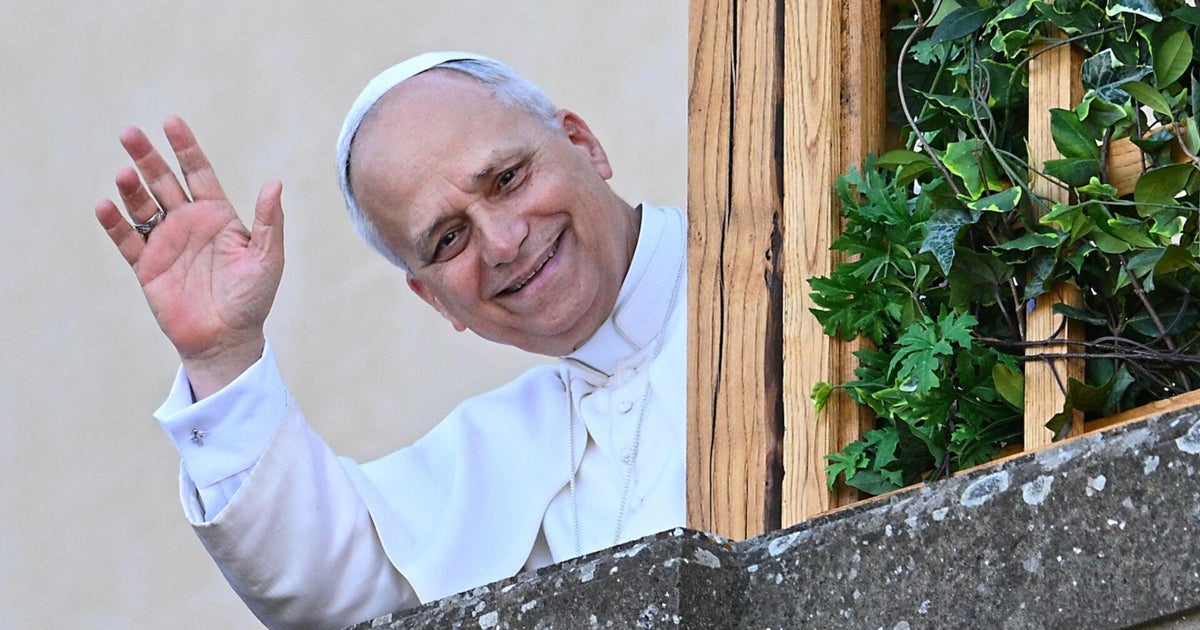
CBS News' Norah O'Donnell got an inside look at Castel Gandolfo, the traditional papal summer residence.
Why It Matters
The peek into Castel Gandolfo holds symbolic significance, beyond just a look at a beautiful property. It reminds viewers of the historical continuity of the papacy and the traditions that stretch back centuries. The opportunity to see this place, normally hidden from public view, offers a connection to the human side of the Pope, who, like anyone else, needs a place of retreat. It underscores the balance between the Pope's spiritual leadership and the need for personal space and reflection.
For many Catholics and those interested in history, the glimpse inside Castel Gandolfo satisfies a curiosity about the lives of Popes and the environment in which they operate. It provides context to the papacy, beyond just the official duties and theological pronouncements. Seeing the Pope's summer residence reinforces the idea that he exists within a tangible, historical reality, linking the modern papacy to a long line of predecessors who have also sought solace and inspiration within the walls of Castel Gandolfo. The report serves as a means of connecting the pontiff to his followers through a shared appreciation of heritage.
What Comes Next
It is likely that Castel Gandolfo will continue to serve as a summer residence for future Popes. Its established role as a retreat makes it invaluable. Whether or not future Popes choose to utilize it more or less frequently than their predecessors remains to be seen, and will likely depend on their personal style and preferences. The CBS story might signal an increased willingness to share aspects of papal life with the public, or it could simply be a one-time event. It is difficult to determine definitive trends from a single broadcast.
The future may also bring further preservation efforts at Castel Gandolfo to maintain its historical integrity. As a cultural heritage site, ongoing work is required to protect the buildings and grounds from damage and decay. Increased tourism may or may not occur, depending on decisions made by the Vatican. Any change would require careful consideration to balance public access with the need to preserve the peace and reverence of the space. Future media coverage may focus on specific aspects of the estate, such as its art collection or agricultural operations.