What Happened
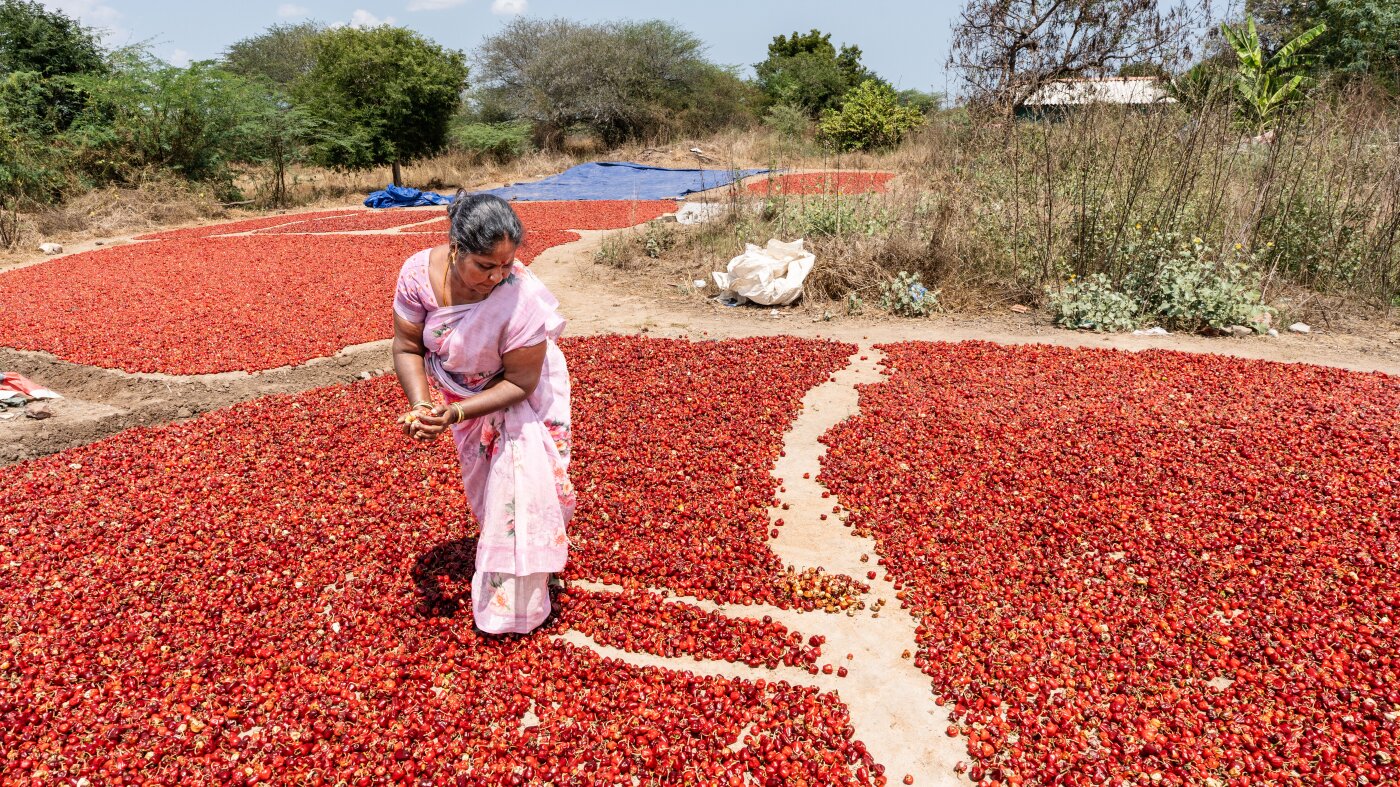
In the scorching heat of Mattiyarenthal village, women farmers like Pandiamma are deeply involved in the cultivation of mundu chiles, a distinctive red variety grown in the region. The work is arduous, requiring them to crouch over the plants, hand-pick each pod, and then painstakingly dry and sort them. Pandiamma describes the process as involving "hard labor and sleepless nights," but emphasizes the worth of the effort. The farmers plant seeds during monsoon season, from October to November, and harvest from January to May.
A crucial part of the process is the grading of the dried chiles. Women carefully pick out pods of poor quality or paler color, which are stored separately and sold for half the price of the best chiles. According to Rajeshwari, a 44-year-old farmer, even the lesser quality chiles are valuable. The women's sharp eyes are essential for identifying the best pods. This meticulous attention to detail ensures they maximize their earnings from each harvest.
"If we labor hard enough in the fields for those few months, that extra income is enough to keep our homes running for the rest of the year."
Why It Matters
The dominance of women in chile pepper farming in this region is not an anomaly. Vallal Kannan, a program coordinator for Krishi Vigyan Kendra, says that women have historically carried out over 70% of agricultural activities. Men, he notes, tend to gravitate towards agricultural jobs involving finances and supervision. The demanding physical labor of chile farming, requiring persistent crouching and hand-picking, often discourages men from participating.
For the women, chile farming offers a crucial source of income. Pandiamma explains that the income earned during the harvest season is often enough to sustain their households for the rest of the year. The seasonal nature of the crop, which leaves farmers out of work for six months, can be a deterrent for men. However, the women have found that with dedication and hard work, they can achieve financial independence and stability for their families through chile farming.
What Comes Next
The farmers of Mattiyarenthal village continue to rely on chile pepper farming as a vital source of income and empowerment. They have formed self-help groups like Thendral Magalir Kullu, allowing them to collectively navigate the challenges and share their knowledge and resources. These groups provide a support system for women farmers, helping them to improve their farming practices and advocate for their needs within the community.
While the future of agriculture faces many challenges, with weather and outside financial involvement posing potential threats, the women's commitment to chile farming stands as a testament to their resilience and resourcefulness. Their efforts not only contribute to the local economy but also ensure the well-being of their families. The women farmers continue to adapt and innovate, ensuring that chile farming remains a viable and empowering occupation for generations to come.