What Happened
A 55-year-old woman was found dead on April 21 in Iwate prefecture, northern Japan. The environment ministry confirmed that this constituted the first fatal bear attack of 2026. This incident heightened existing fears after a record 13 deaths last year from similar attacks after a surge in bear sightings as soon as the animals woke from hibernation. Local media has noted continuing reports of increased sightings this year as bears emerge from their winter slumbers.
Police in Japan are investigating if two additional sets of human remains found this week are linked to bear attacks. One body was discovered in the Iwate region on Thursday, and another was found in a forest in Yamagata prefecture on Tuesday. Broadcaster NHK identified that one of these other bodies was Chiyoko Kumagai, 69, missing from a trip to pick edible wild plants. She was found with what appeared to be animal claw injuries on her face and head.
Last year's record number of fatal attacks was more than double the previous high of six. More than 200 people were also injured.
Why It Matters
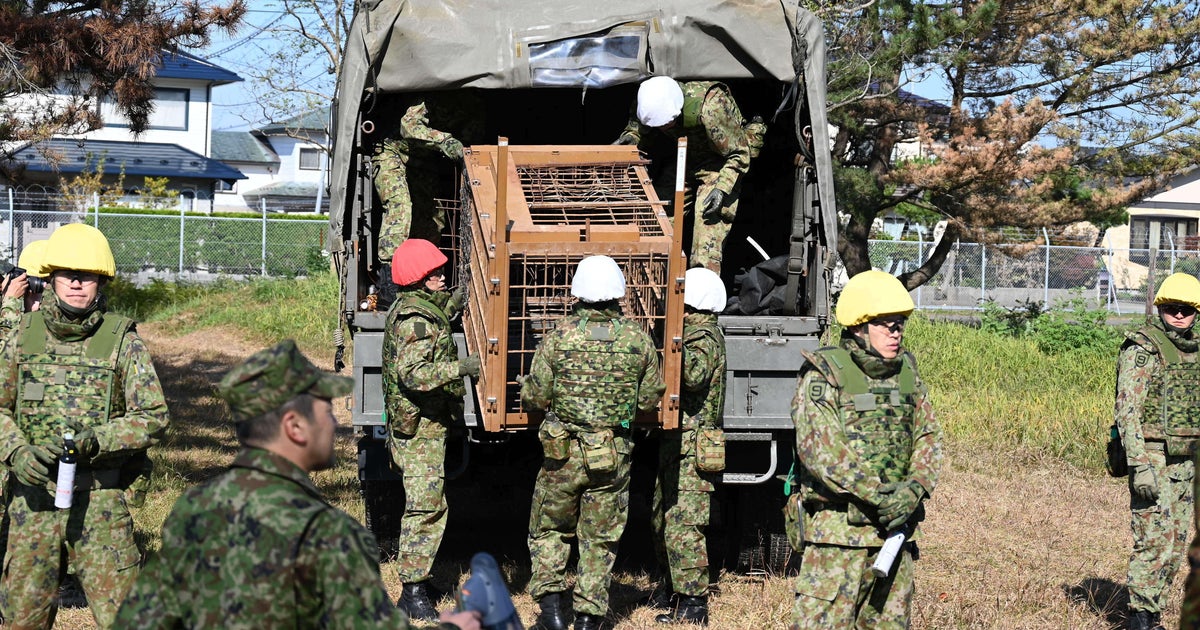
The surge in bear sightings and attacks is raising concerns about human-wildlife conflict in Japan, especially in rural areas. Last year, bears were seen in unexpected places, including airport runways, golf courses, supermarkets, and hot spring resorts. This rise in encounters sparked alarm, compelling the government to deploy troops tasked with hunting and trapping bears. One widely reported 2023 incident involved a bear that rampaged through a supermarket and had to be lured out via honey-covered bait.
Scientists attribute last year's upsurge to a combination of factors, including the growth in bear numbers and a shrinking human presence because of population decline in rural areas. The record number of fatal attacks last year was more than double the previous high, with over 200 people also injured. Japan is looking into strategies to manage the growing bear population while ensuring the safety of the public. The government encourages citizens to be extra cautious, especially when venturing into forested areas.
What Comes Next
Local hunters are expected to begin patrolling the Iwate prefecture area where the most recent fatality happened. The patrol is intended to prevent any further bear attacks and provide reassurance to residents. City officials are planning to meet and review existing safety measures, as well as explore new strategies for managing human-wildlife interactions. The focus will be on education, prevention, and rapid response measures to mitigate conflicts.
The broader national response remains under review. While scientific research continues to assess the underlying drivers of increased bear activity, communities are being urged to remain vigilant. Public awareness campaigns aim to educate people about bear behavior, safety precautions, and reporting sightings. The Japanese government faces the challenge of balancing wildlife conservation with the safety of its citizens, especially with rural depopulation increasing the risk of human-animal encounters.