What Happened
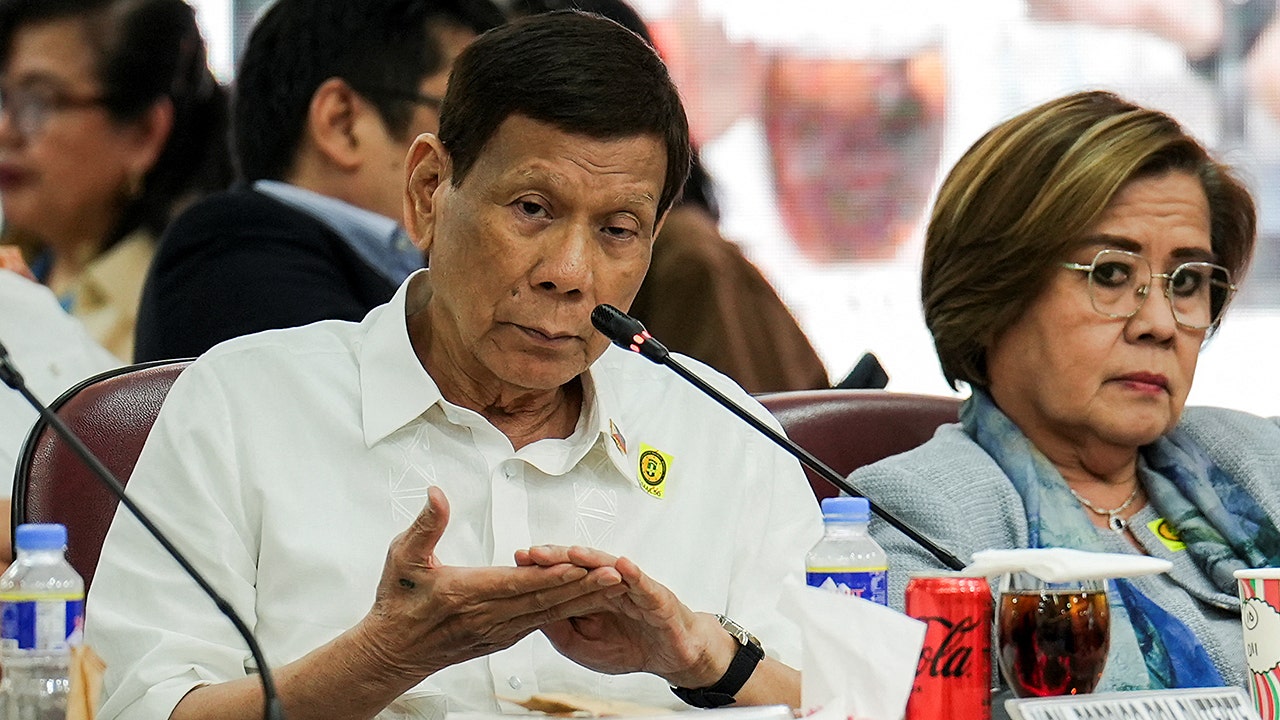
The International Criminal Court (ICC) has officially confirmed that former Philippine President Rodrigo Duterte will stand trial on charges of crimes against humanity. This decision follows an investigation into the deadly anti-drug crackdowns that occurred during Duterte's time in office, both as president of the Philippines and previously as mayor of Davao City. Judges at the ICC found there were 'substantial grounds' to believe that Duterte bears responsibility for these alleged crimes. The ruling sets the stage for a landmark trial that could have significant implications for international justice and accountability.
The ICC's investigation focused on allegations that Duterte implemented a policy aimed at 'neutralizing' suspected criminals, resulting in numerous extrajudicial killings. Prosecutors argue that police officers and hit squad members carried out murders at the behest of Duterte, motivated by promises of financial reward or fear of becoming targets themselves. Deputy prosecutor Mame Mandiaye Niang highlighted the perverse nature of these killings, suggesting they devolved into a form of brutal competition.
Duterte was arrested in the Philippines last year, underscoring the seriousness of the charges against him. Despite the ICC's decision, he continues to deny any involvement in the alleged crimes. His lead defense lawyer, Nick Kaufman, argued that the prosecution has selectively chosen examples of Duterte's 'bombastic rhetoric' and claimed that his words were never meant to encourage violence. The case now moves forward, promising a complex legal battle with significant implications for both international law and the Philippines.
For some, killing reached the level of a perverse form of competition.
Why It Matters
The ICC's decision to proceed with a trial against Duterte carries significant implications for international accountability and human rights. It sends a clear message that leaders can be held responsible for alleged crimes against humanity, even if those crimes were committed within their own country. This case could set a precedent for future investigations and prosecutions of political figures accused of similar offenses. The international community will be closely watching the proceedings, as the outcome could have a far-reaching impact on the pursuit of justice for victims of human rights abuses worldwide.
For the Philippines, the trial is a deeply divisive issue. Duterte remains a popular figure among some segments of the population, who credit him with reducing crime and improving public safety. However, human rights organizations and victims' families have long sought justice for the alleged extrajudicial killings that took place during his administration. The trial could reignite debates about the rule of law and the balance between security and civil liberties in the Philippines. The outcome of the legal proceedings is expected to have lasting repercussions on Filipino society and its relationship with the international community.
What Comes Next
The next step in the process is the trial itself. The prosecution will need to present compelling evidence to convince the judges that Duterte is indeed guilty of the charges against him. This will involve producing witnesses, documents, and other forms of proof to demonstrate his involvement in the alleged crimes against humanity. Duterte's defense team is likely to mount a vigorous challenge, arguing that the prosecution's evidence is flawed or that Duterte's actions were justified in the context of fighting crime. The trial is expected to be lengthy and complex, with legal arguments and counterarguments being presented from both sides.
The trial will be a crucial test of the ICC's ability to investigate and prosecute alleged crimes against humanity. Given the political sensitivities surrounding the case, the court will need to ensure that the proceedings are conducted fairly and impartially. The outcome will likely have significant consequences for both Duterte and the broader international community. If convicted, Duterte could face imprisonment. If acquitted, it could embolden other leaders to commit similar acts with impunity. The world will be watching closely to see how this landmark case unfolds.