What Happened
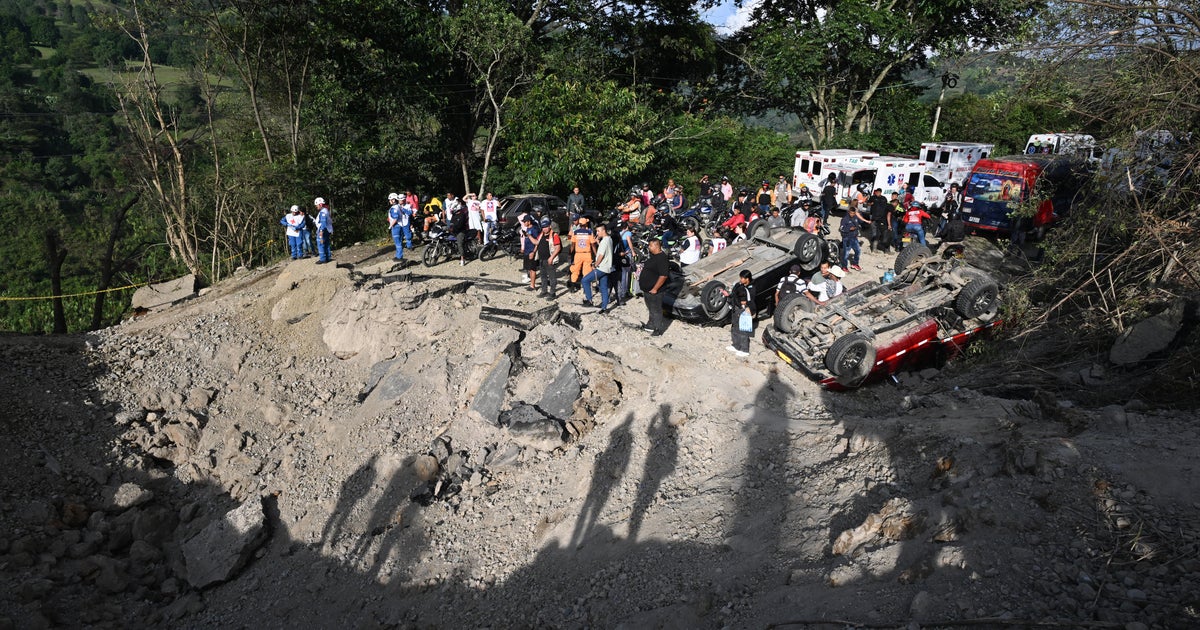
A massive explosion ripped through a highway in Colombia's southwestern Cauca region on Saturday, killing 21 people – including 15 women – and leaving a 650-foot crater. Defense Minister Pedro Sanchez blamed Iván Jacob Idrobo Arredondo, alias 'Marlon,' a lieutenant in an armed group led by Colombia's most wanted fugitive, Iván Mordisco. Witnesses described attackers blocking traffic with vehicles before detonating the bomb.
The bombing was the deadliest in a wave of 26 attacks targeting infrastructure in Valle del Cauca and Cauca over two days. Governor Octavio Guzmán called it the region's worst civilian massacre in decades, with twisted vehicle debris littering the blast site. President Gustavo Petro vowed on X to deploy elite troops against 'terrorists' and 'fascists' behind the violence.
Marlon's group, the Central General Staff, is a breakaway faction of the Revolutionary Armed Forces of Colombia (FARC). While most FARC rebels disarmed under a 2016 peace deal, Mordisco's faction continues operations, which Petrono sters as 'drug trafficking masquerading as revolution.' The timing raises alarms with presidential elections weeks away.
"This is the most brutal and ruthless attack against civilians in decades," said Cauca Governor Octavio Guzmán.
Why It Matters
The attack underscores Colombia's persistent security crisis despite the FARC peace accord. Analysts warn dissident groups like Mordisco's – estimated at 2,500 fighters – are filling power vacuums in rural areas through violence and drug trafficking. The bombing's brazenness suggests deteriorating control ahead of elections where security dominates debates.
The $1.4M reward reflects desperation to apprehend Marlon amid rising civilian casualties. Military strategies face scrutiny after failing to prevent the attacks. With Cauca historically plagued by conflict, the massacre risks further destabilizing a region crucial to coca crop substitution programs tied to the peace deal.
What Comes Next
Authorities are combing the bomb site for forensic evidence while troops pursue Marlon's cell. Petro's pledge to intensify military action may spark clashes in rebel strongholds. The government faces pressure to show progress before May 31 elections, where rivals will pounce on security failures.
International partners are monitoring Colombia's stability, especially the U.S., which backs counternarcotics efforts. The attack could strain peace deal implementation further if communities lose faith in state protection. Details on victims and the bombers' affiliations are still emerging.