What Happened
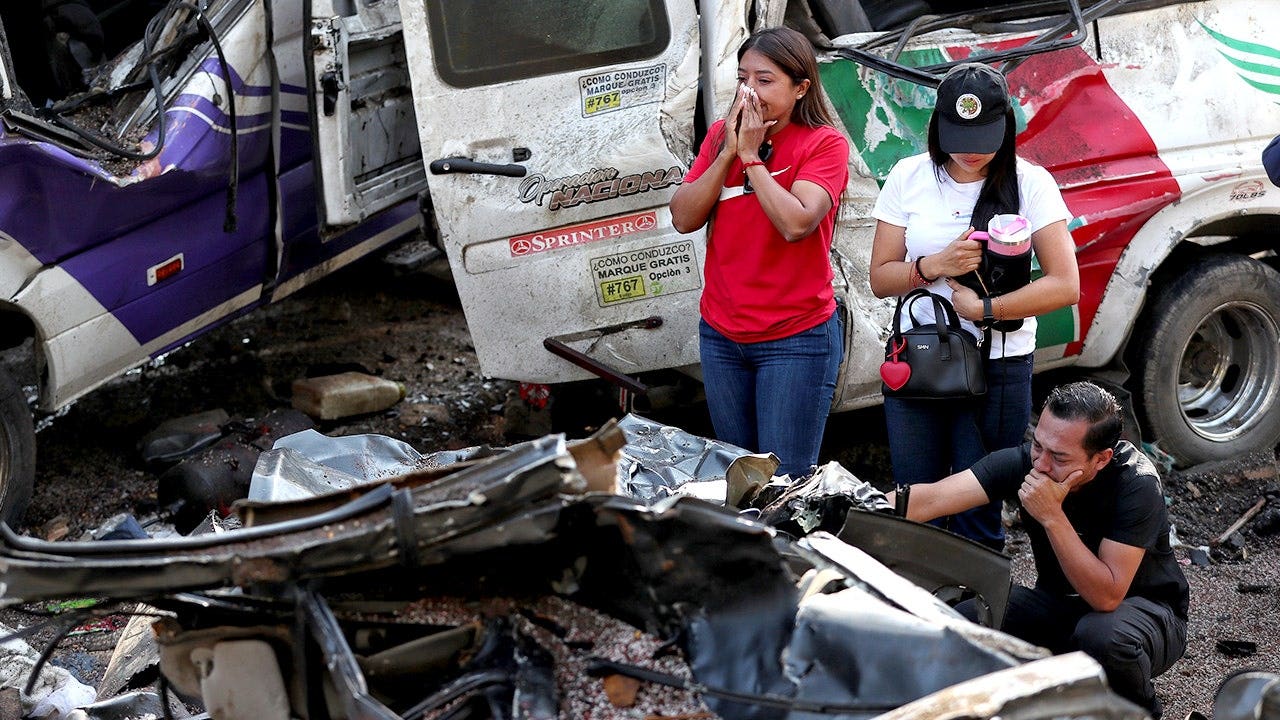
On Saturday, an explosive device detonated on a bus traveling along the Pan-American Highway in Cajibio, Colombia. The attack resulted in the deaths of 20 people, including 15 women and five men, according to Cauca Governor Octavio Guzmán. The explosion also left 36 individuals injured, some critically, with three in intensive care and five confirmed to be minors. The bombing is the most deadly during the recent spike.
Authorities are working to identify the victims, with Colombia’s Institute of Legal Medicine deploying specialists like dentists, anthropologists, and forensic doctors to assist in the process. The blast site has seen an outpouring of grief, with relatives of the deceased gathering to pay their respects. The investigation is ongoing, led by Colombian forces.
The area is known to be quite dangerous, with multiple interests constantly at war. The attack has drawn condemnation from international bodies, signaling rising concerns of the internal situation facing the country.
Gen. Hugo López described the incident as a 'terrorist act' and blamed it on a network linked to 'Iván Mordisco'.
Why It Matters
The bombing underscores the fragile security situation in southwestern Colombia, a region plagued by the presence of illegal armed groups. These groups are vying for control of coca leaf cultivation areas, which are crucial for drug trafficking operations. The access routes to sea and rivers used for transporting drugs to Central America and Europe are the source of violence.
The attack highlights the ongoing challenges faced by the Colombian government in its efforts to establish peace and security following the demobilization of FARC. While a peace agreement was initially reached, dissident factions remain active, perpetuating violence. The US has designated Colombia's Clan del Golfo as a terror group, which has only complicated matters.
The region's instability has broader implications for regional security and international efforts to combat drug trafficking. The latest attacks have highlighted the struggle facing the population, who desperately need a solution to this violence, to avoid any more loss of life, while officials seek out answers and solutions.
What Comes Next
Colombian authorities are intensifying security operations in the Cauca region to counter the actions of illegal armed groups. Gen. Hugo López has attributed the bombing to the network of 'Iván Mordisco,' a key figure and the Jaime Martínez faction of the now-defunct FARC. Increased military presence and targeted operations are anticipated to disrupt the groups. Police are actively patrolling the region.
The U.N. High Commissioner for Human Rights has urged Colombian authorities to conduct a thorough investigation, and ensure justice for the victims of violence. Reestablishing a peace agreement is crucial to resolving the violence. Otherwise the state of Colombia could be at risk. Officials aim to de-escalate the state before any more violence can take place.