What Happened
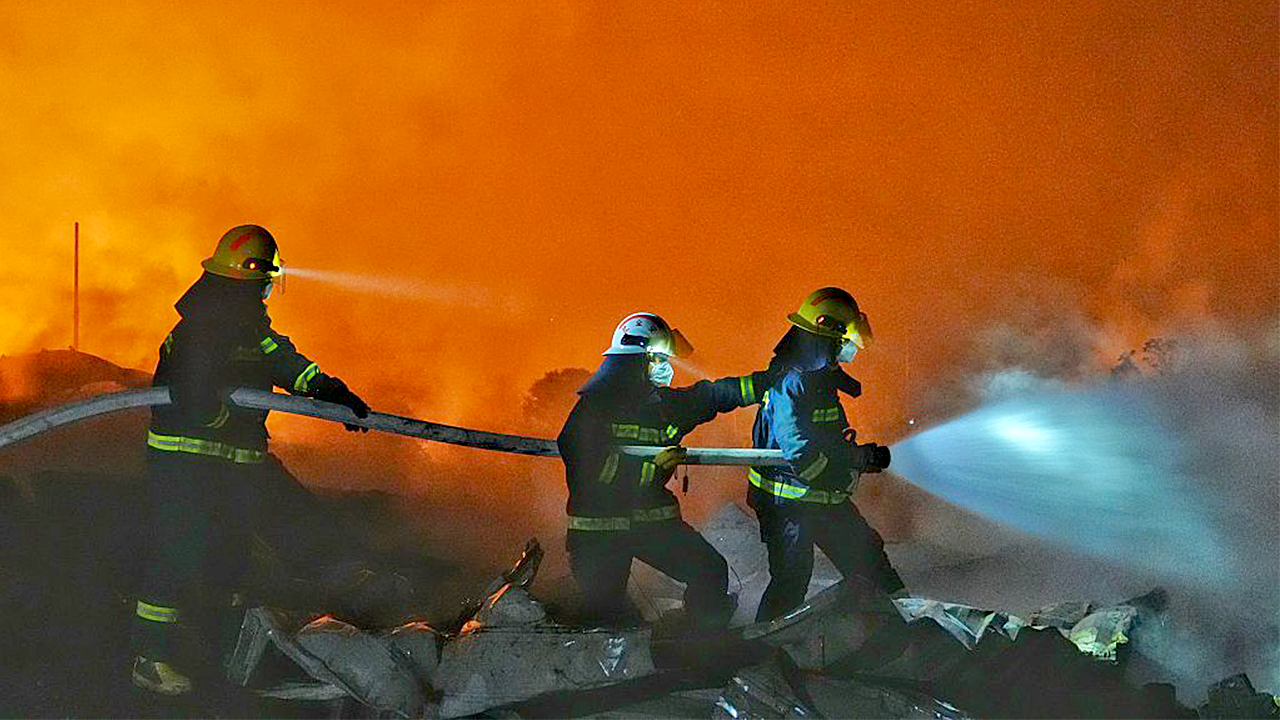
On Monday afternoon, a fireworks factory in Liuyang, a city administered by Changsha in Hunan province, China, experienced a massive explosion. The affected facility was the Liuyang Huasheng Fireworks Manufacturing and Display Co., located in a region known for its fireworks production. The force of the blast caused extensive damage to the surrounding area, collapsing buildings and scattering debris across the site. State broadcaster CCTV showed aerial footage of the aftermath, revealing plumes of white smoke and widespread destruction, highlighting the severity of the incident.
Emergency services, including nearly 500 firefighters, rescuers and medical personnel, were immediately dispatched to the scene. Authorities prioritized the evacuation of people from nearby danger zones due to the potential risks associated with two on-site black powder warehouses. The focus was on minimizing further casualties and securing the area to prevent any secondary incidents. The scale of the response reflects the gravity of the situation and the potential for ongoing hazards at the blast site. Reports indicate efforts continue to locate and assist those affected.
The official news agency Xinhua reported that the explosion resulted in at least 21 fatalities and 61 injuries. Details are still emerging about the specific circumstances leading up to the explosion, but initial reports suggest the blast originated within the fireworks manufacturing facility. The investigation is currently underway to determine the cause and ascertain any potential safety violations that may have contributed to the disaster.
Chinese President Xi Jinping called for "all-out efforts" to save injured victims and to search for people who remain unaccounted for.
Why It Matters
This incident highlights the inherent risks associated with the manufacturing of fireworks, particularly in regions with large-scale production. The safety standards and regulatory oversight of these facilities are crucial to prevent similar tragedies. The frequency of such accidents raises concerns about the enforcement of safety protocols and the potential for systemic issues within the industry. It also underscores the human cost of industrial accidents and the importance of prioritizing worker safety and public well-being, particularly with dangerous production such as fireworks.
The Chinese government's response, led by President Xi Jinping, signifies the significance placed on addressing this disaster. Xi's call for a thorough investigation and strengthened risk screening suggests a commitment to preventing future incidents. The emphasis on accountability underscores the government's intention to hold those responsible for any negligence or violations that contributed to the explosion. This incident is also prompting a larger discussion around industrial safety and will likely bring changes to this practice.
What Comes Next
An in-depth investigation into the cause of the explosion is underway. Authorities are expected to examine all aspects of the factory's operations, including safety procedures, storage protocols, and regulatory compliance. The findings of this investigation will likely inform future safety regulations and enforcement efforts within the fireworks industry. The public and the affected families will be seeking answers to prevent future disasters which come at high human cost.
Following President Xi Jinping's instructions, there will likely be increased scrutiny and tighter regulations within the fireworks manufacturing sector and key industries across China. This could entail stricter enforcement of existing safety standards, more frequent inspections, and increased penalties for violations. The goal is to improve overall public safety management and mitigate the risk of similar accidents in the future. The effect of the explosion and the subsequent inquiry could be widespread and impact many areas of production.
Explore More
Related topics on gab.ae: invest