What Happened
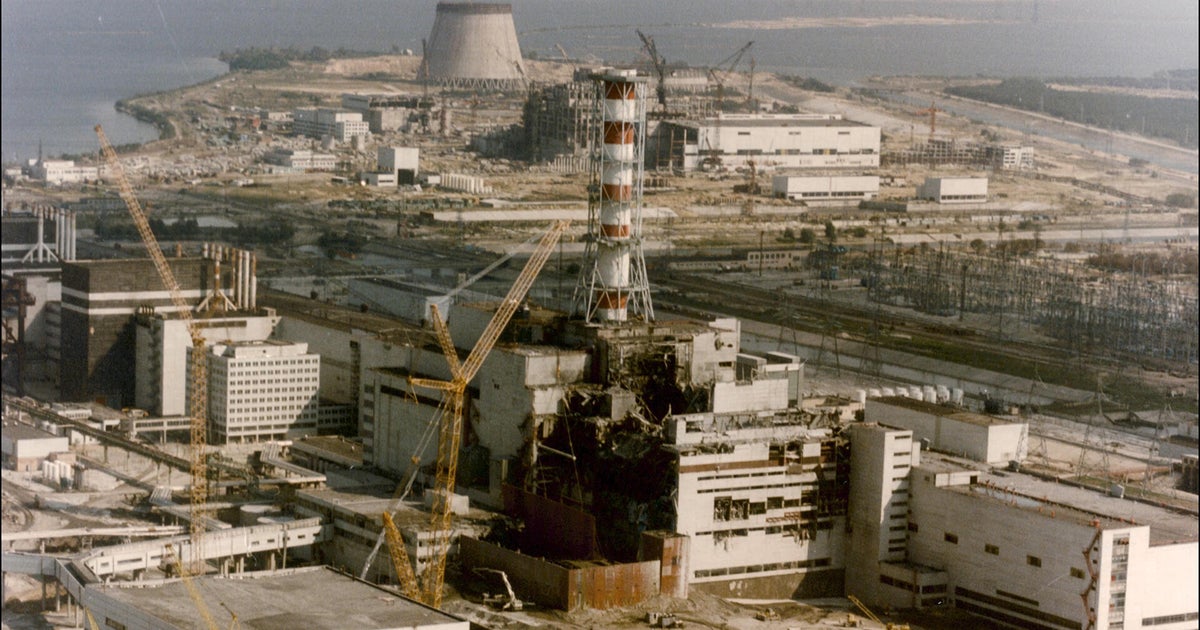
The incident at the Chernobyl Nuclear Power Plant marked one of the worst nuclear disasters in history. Initial reports originating from the Soviet Union were limited, only acknowledging an incident at the plant. However, the magnitude of the event started to unfold as other nations, particularly Sweden, detected significantly elevated levels of radiation in the atmosphere. These initial detections proved crucial in alerting the global community to the severity of the situation at Chernobyl, prompting growing international concern and demands for further information from Soviet authorities.
The delayed acknowledgment from the Soviet Union fueled suspicion and criticism. The lack of transparency surrounding the disaster hampered initial rescue and containment efforts. Critical hours were lost due to the information vacuum, potentially worsening the long-term consequences of the disaster. The international community struggled to understand the scope of the accident, relying on fragmented data to piece together the unfolding tragedy and assess the risk to neighboring regions.
CBS News' coverage from that day highlighted the limited information available and the growing international pressure on the Soviet Union to provide more details about the incident. The broadcast likely captured the initial shock and uncertainty surrounding the event, as well as the unfolding efforts to understand the extent of the damage and its potential impact on human health and the environment. The focus would have been on relaying available facts while acknowledging the unknown quantities that added to the gravity of the situation.
Swedish scientists detected high levels of radiation, bringing to light the reactor explosion that occurred two days earlier.
Why It Matters
The Chernobyl disaster exposed critical flaws in Soviet-era nuclear safety protocols and emergency response mechanisms. The lack of transparency and delayed response exacerbated the immediate crisis and contributed to long-term health and environmental consequences. The event triggered a reassessment of nuclear safety standards worldwide, leading to significant improvements in reactor design, operational procedures, and international cooperation in nuclear safety. It emphasized the importance of open communication and proactive measures in preventing and mitigating nuclear accidents.
The long-term effects of the Chernobyl disaster continue to be felt today. The area surrounding the plant remains heavily contaminated, with ongoing restrictions on human activity and agriculture. The disaster has had a profound impact on the health of those who were exposed to radiation, including increased rates of cancer and other illnesses. The psychological and social consequences of the disaster are also significant, with many people displaced from their homes and communities, grappling with the trauma of the event.
What Comes Next
The site of the Chernobyl Nuclear Power Plant continues to undergo extensive decommissioning and remediation efforts. The construction of a new safe confinement structure over the damaged reactor was a major milestone, aimed at preventing further radioactive leaks and facilitating the long-term dismantling of the reactor. International cooperation is essential for the successful completion of these projects. These ongoing efforts serve as a reminder of the enduring legacy of Chernobyl and the importance of preventing future nuclear disasters.
The world learned a costly lesson from The Chernobyl disaster, but the threat of similar future catastrophic events still looms as long as nuclear power exists. Nuclear energy requires diligent oversight, and robust emergency response planning, to include transparent communication. International cooperation and information-sharing are necessary to maintain nuclear safety globally and ensure the safety of all populations and ecosystems. Investing in renewable energy can further reduce the need for volatile nuclear energy.