What Happened
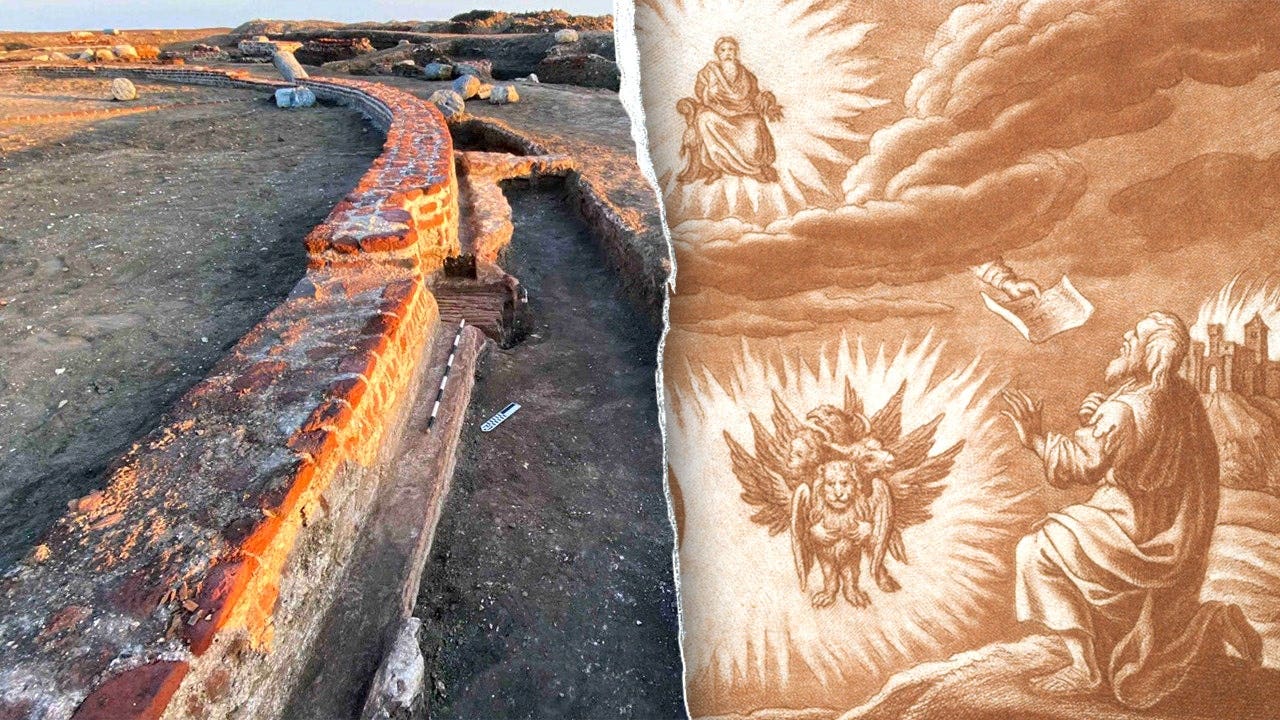
Egyptian officials unveiled the remains of an ancient religious complex at Tell el-Farama, the site of the historic city of Pelusium. The discovery includes a massive circular basin, measuring 115 feet in diameter, which was once filled with water from the Nile. Archaeologists believe the basin was central to rituals honoring Pelusios, a local deity whose name derives from the Greek word for 'mud.'
The complex, initially mistaken for a civic building in 2019, was later identified as a sacred water installation. Excavations revealed channels and reservoirs surrounding the basin, with entrances on three sides. The northern side, however, showed significant damage. The site was in continuous use from the second century B.C. to the sixth century A.D., highlighting its enduring religious significance.
Tell el-Farama is often linked to the biblical city of Sin, mentioned in the Book of Ezekiel as a stronghold of Egypt. While the connection remains debated among scholars, the discovery adds a tangible layer to the region's rich historical and religious tapestry.
It was filled with water mixed with Nile silt, symbolizing a connection to the god Pelusios.
Why It Matters
The uncovering of the ritual complex sheds light on the religious practices of ancient Pelusium, a strategically important city near the Nile Delta. The basin's design and purpose reflect a deep connection to the Nile, a lifeblood of Egyptian civilization. Such findings help archaeologists understand how water was integrated into spiritual and daily life in antiquity.
The potential link to the biblical city of Sin adds another dimension to the discovery. While not definitively proven, the association with Ezekiel's account offers a bridge between archaeological evidence and religious texts. For historians and theologians alike, the site provides a rare glimpse into how ancient narratives and physical remnants might intersect.
What Comes Next
Archaeologists plan further excavations to explore the full extent of the ritual complex and its surrounding structures. The damaged northern side of the basin may hold additional clues about its use and eventual decline. Researchers also aim to uncover more artifacts that could solidify the connection between Pelusium and the biblical city of Sin.
The Egyptian Ministry of Tourism and Antiquities will likely continue efforts to preserve and study the site, potentially opening it to the public in the future. As details emerge, the discovery could reshape understandings of regional history and its ties to broader ancient narratives.